Snigdha Agrawal
Day 1 – Indore: Clean Streets and Culinary Diplomacy
Travel, at our age, is less about ticking destinations and more about proving to ourselves that walking sticks and enthusiasm can still coexist. So, when headlines warned of water contamination in Indore, even as it continued to be celebrated as India’s cleanest city, we paused only briefly. The contradiction was intriguing. Was it civic pride versus municipal misfortune? Or simply the media doing what it does best?
For two septuagenarians who have survived far more alarming travel episodes, including broken ribs and grazed knees, this hardly qualified as a deterrent. If anything, it sounded like an invitation. Indore was calling. And we, ever obedient to culinary and cultural summons, answered.
We landed at Devi Ahilya Bai Holkar Airport and were immediately struck by its efficiency. Luggage arrived briskly, the restrooms were improbably spotless, and a disciplined row of Uber and Ola kiosks stood outside like well-trained cadets. Travel touts were nowhere to be seen. We glanced around suspiciously, old habits die hard, but no one leapt from behind a pillar offering “best price, madam.”
Since our itinerary included Ujjain, Mandu, and Maheshwar, we had pre-booked a taxi weeks earlier, sparing ourselves the drama of last-minute negotiations and theatrical sighs.
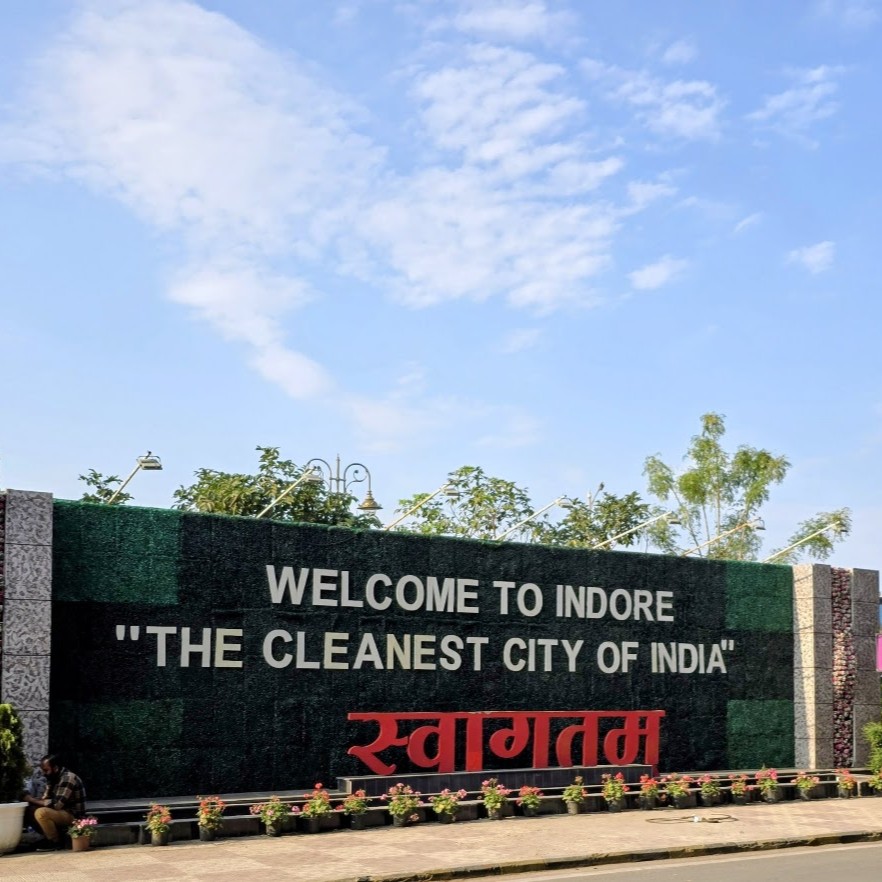
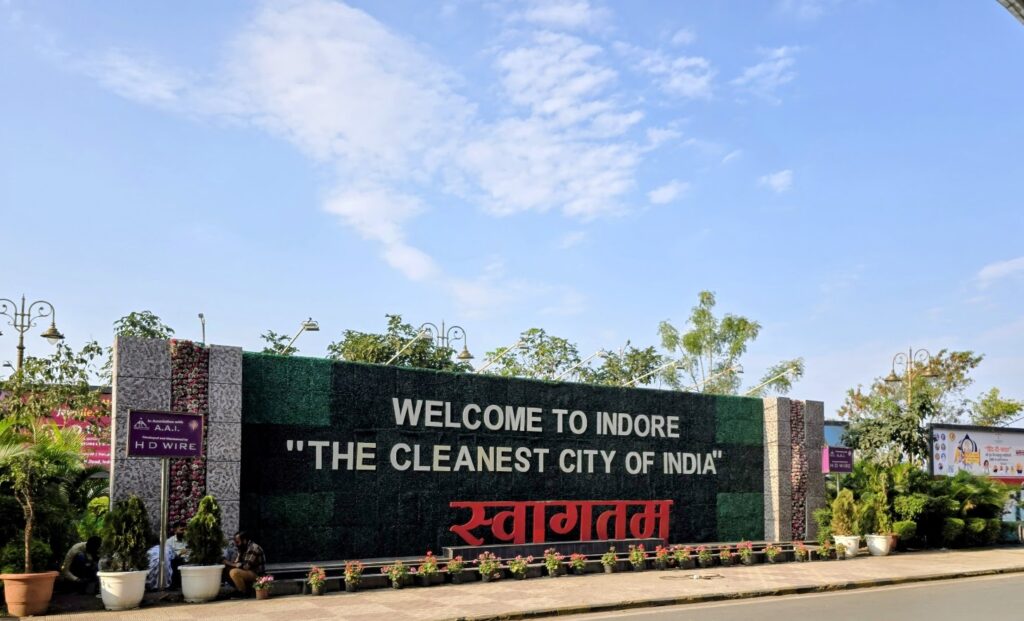
Outside, a bold sign proclaimed: Welcome to Indore – The Cleanest City of India. A digital board displayed the AQI: 40. We drew in several lungfuls of clean air, spirits soaring.
The 17-kilometre drive to Indore Marriott Hotel took barely 20 minutes. Vast stretches of open land gave way to an ambitious network of elevated metro lines. Concrete capillaries stretching confidently across the skyline, suggesting that Indore’s circulatory system was being upgraded in real time.
Vijay Nagar gleamed. Not a cigarette butt in rebellion. Not a plastic wrapper plotting an escape. The Marriott was plush and reassuringly predictable. Scented, crisp linens, courteous staff, and the quiet efficiency that makes you forget the outside world. But we were not in Indore to admire thread count. Nor spend time admiring the hotel décor. We had loftier goals.
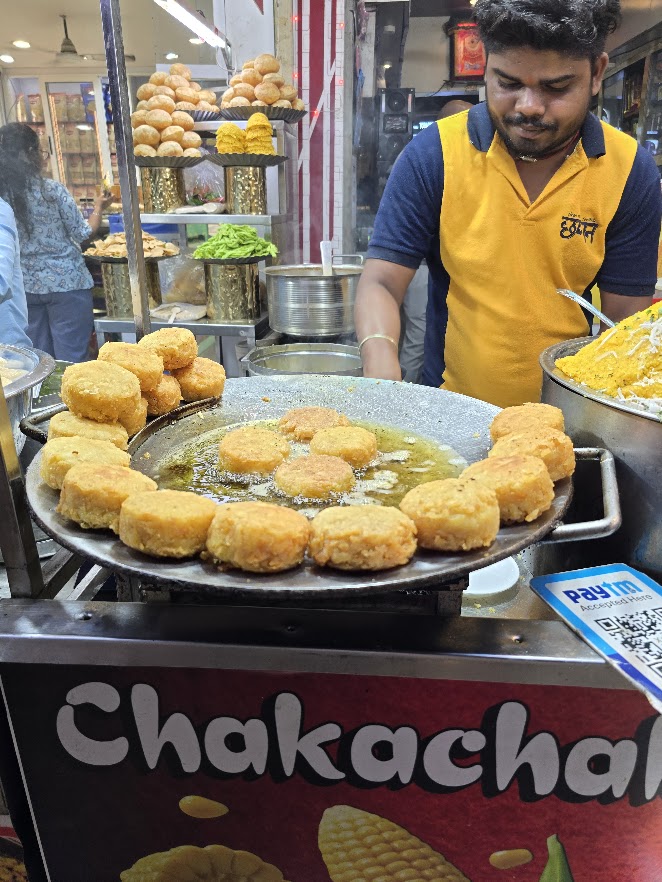
The night was young, and we ventured out on a far nobler mission: food. Straight to the vibrant, sparkling street-food haven: Indore is famous for Chappan Dukan.
Essentially a pedestrian street lined with food stalls on either side, it serves a dizzying variety of chaats, juices, desserts, and, for the globalised palate, pizzas, pastas, and paan reinvented with local flair. The LED signage at the entrance shifted colours obligingly while visitors queued patiently for their Kodak moments.
The crowd was a delightful mix. Locals, newlyweds posing as if for matrimonial brochures, visitors, and nostalgic NRIs revisiting childhood haunts. The street rolled on like a well-oiled machine, with no let-up in footfall.
“Aloo tikki! Garma-garam aloo tikki!”
“Dahi vada, sir – soft as your heart!”
“Kanji vada, madam – digestive and preventive!”
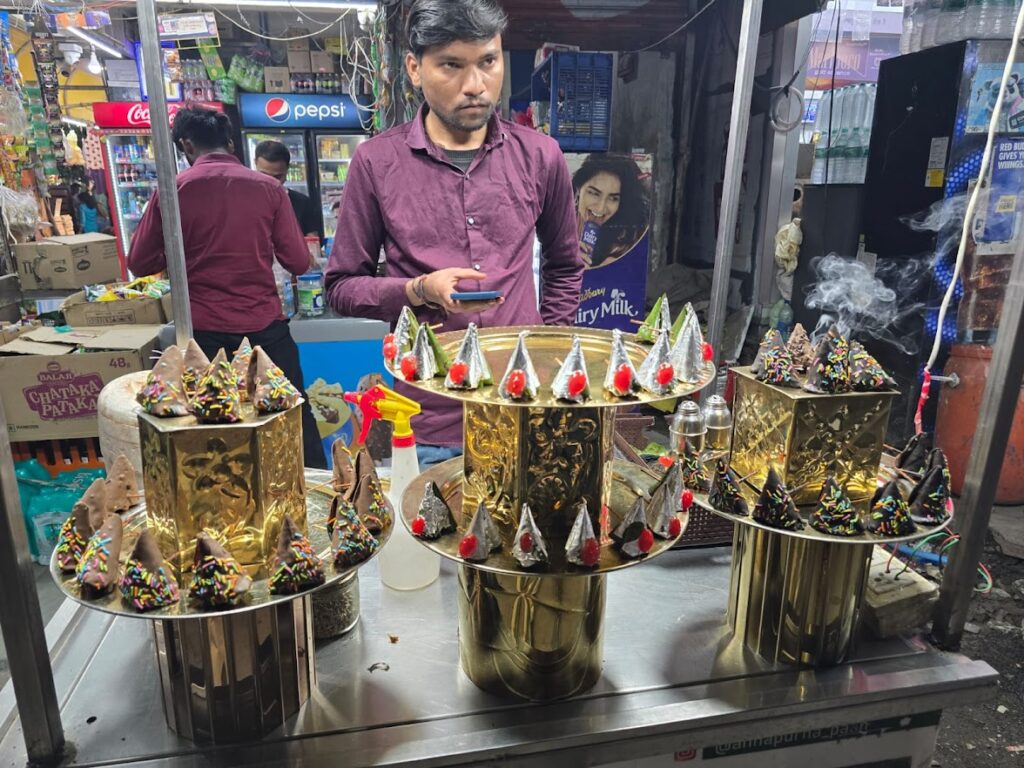
Corn sticks crackled. Faluda kulfi arrived dramatically in smoking containers, rich and creamy enough to make cholesterol nervously reconsider its life choices.
At the kulfi stall, the young servers sized us up; two enthusiastic septuagenarians clicking pictures of everything except each other.
“Uncle, Aunty,” one grinned, “photo le doon? Instagram ready bana deta hoon!”
“We don’t have Instagram,” I protested.
“No problem, Aunty,” he shot back cheerfully. “We make you viral without Instagram also!”
Another chimed in, holding the kulfi at a flattering angle:
“Sir, little smile…”
“Aunty, please look at Uncle.”
We burst out laughing. The result? A picture glowing with kulfi vapour, LED lights, and two extremely cooperative senior citizens going with the flow.
The paan, delicately assembled and folded like edible origami, had the final word, acting as a fragrant curtain call to a heavy yet satisfying eclectic dinner.
All the while, municipal workers moved quietly in the background, constantly clearing debris left behind by less conscientious visitors. Their silent efficiency perhaps explained the city’s proud tagline better than any billboard could.
Clean streets, low AQI, disciplined queues, and kulfi-induced sugar high, Indore was already making a compelling case for itself.
Day 2 – Ujjain: Of Faith and Flexible Suspension
Kanhaiya, our driver, arrived early the next morning, slightly unshaven but radiating alertness. The construction of a six-lane highway complicated the 55-kilometre journey to Ujjain ahead of the 2028 Kumbh. At every diversion, when our patience thinned, Kanhaiya leapt to the highway’s defence.
“This is nothing,” he assured us cheerfully. “In the rains, three hours minimum! Once finished, forty minutes flat!”
Optimism, when repeated often enough, becomes persuasive. Somewhere between potholes and philosophical reflections on infrastructure, we began to believe him.
Ujjain’s lanes are narrow and unapologetically ancient. Houses lean companionably toward one another as though sharing confidential gossip across balconies.
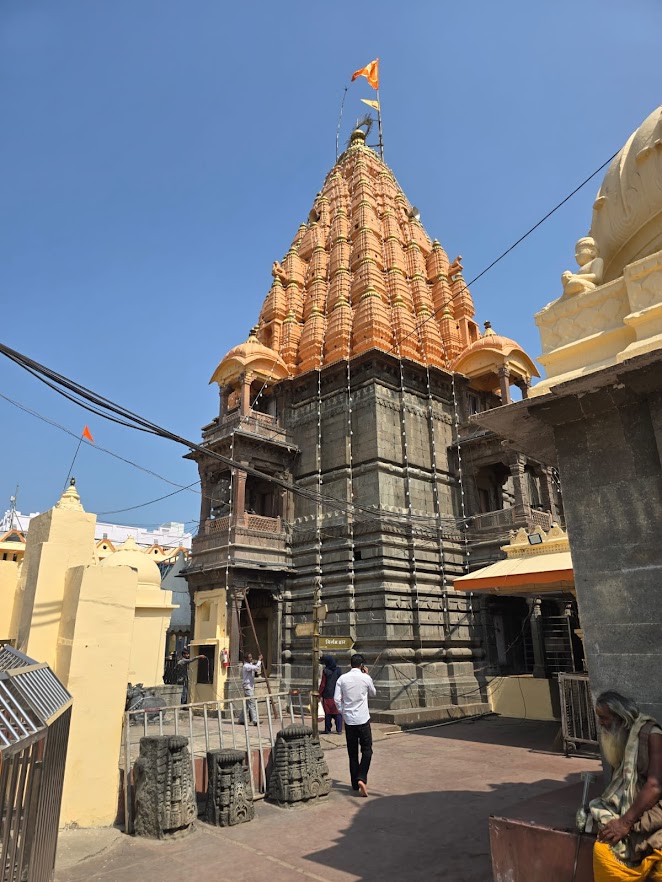
At the revered Mahakaleshwar Temple, one of the twelve Jyotirlingas, the clamour outside softened into reverent calm. No overzealous intermediaries offering “express darshan.” No theatrical urgency.
A complimentary electric cart conveyed us uphill, sparing both knees and dignity. We had arranged a Rudra Abhishek in advance on the ghats of the Koti Kund. As entry into the sanctum is restricted, we watched the ritual on a live screen, spiritual Wi-Fi at its most reliable, before receiving prasad and blessings. The darshan gallery was impressively organised. We were allowed ample time to offer prayers without feeling hurried, and were then gently ushered along by the priest’s associates, efficient but not intimidating. All in all, a composite experience that felt worth both the price and the pilgrimage.
Next, we visited Kal Bhairav Temple along the Shipra River, where liquor is traditionally offered to the deity. The line was formidable. Fortunately, senior citizen privileges (and Kanhaiya’s strategic instincts) allowed entry through the exit gate. For once in life, age worked decisively in our favour.
At Gadh Kalika Temple, associated with the poet Kalidasa, and one of the Shakti Peeths, I lingered briefly, seeking Her blessings, hopeful that proximity might enhance literary brilliance. Alas, poetic genius remains stubbornly non-transferable.
We returned to Indore, mildly shaken by road conditions but spiritually fortified. Proof that faith can steady even a jolting suspension system.
Day 3 – Mandu & Maheshwar: Romance in Stone and Silk
A younger driver was assigned for the 100-kilometre journey along NH 52. He approached the highway with youthful enthusiasm, occasionally allowing the speedometer to flirt with 120 km/h. I contemplated requesting moderation, then remembered my own two-lane bravado decades ago. Selective amnesia seemed appropriate.
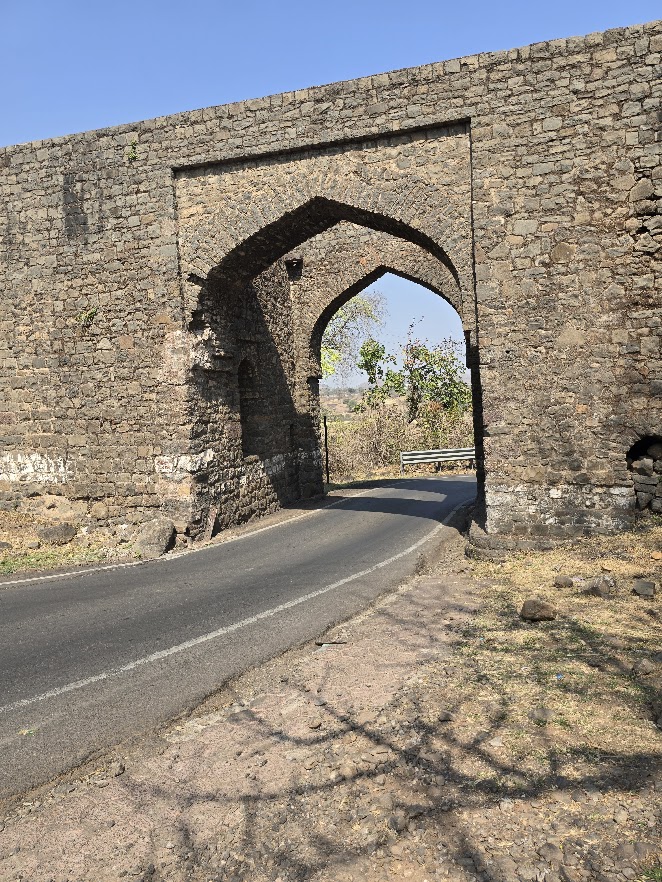
Mandu rises dramatically 2,000 feet above the Malwa Plateau, entered through the imposing Delhi Gate. Once inside, history unfolds in sweeping gestures.
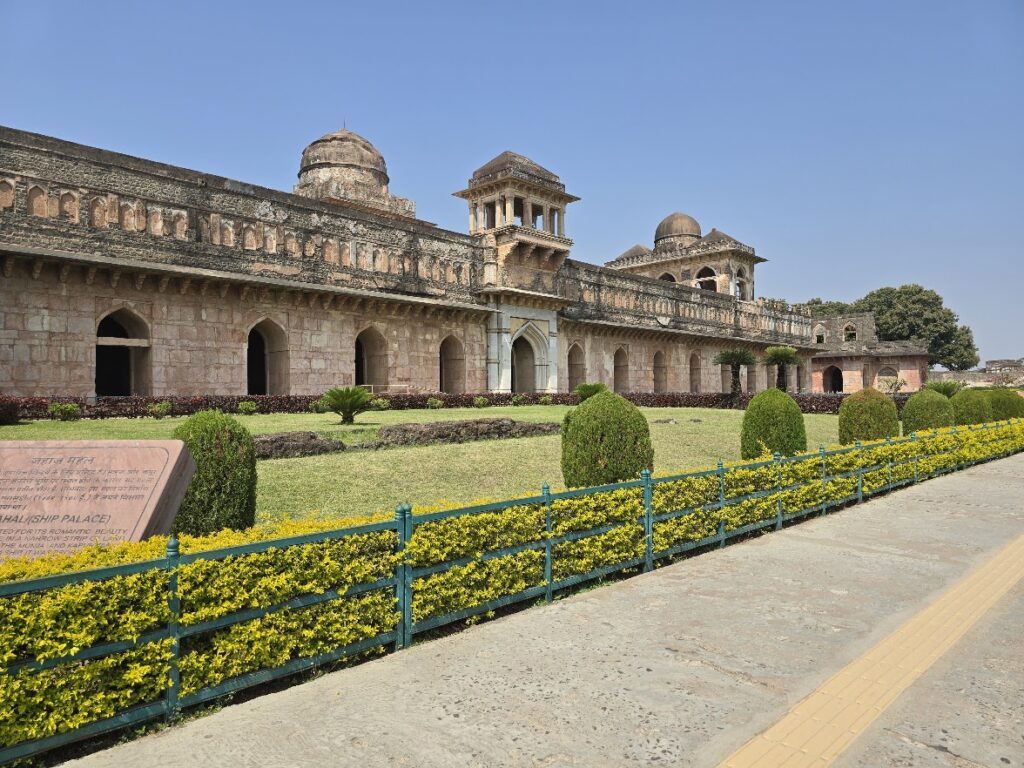
The elegant Jahaz Mahal appears to float between water bodies like a stone ship anchored in time. Nearby stands Hindola Mahal, its sloping walls lending it the appearance of a suspended swing. The grand Jami Masjid radiates solemn symmetry.
The marble Tomb of Hoshang Shah is widely believed to have influenced the design of the Taj Mahal. Standing there, one senses architectural conversations across centuries. The Baz Bahadur and Rani Roopmati tragic love story sparked our curiosity, and though advised, it would be a tough call to reach the site, we went ahead, just for a ‘dekho’.
By the time we concluded our exploration, we had photographed ambitiously and walked heroically.
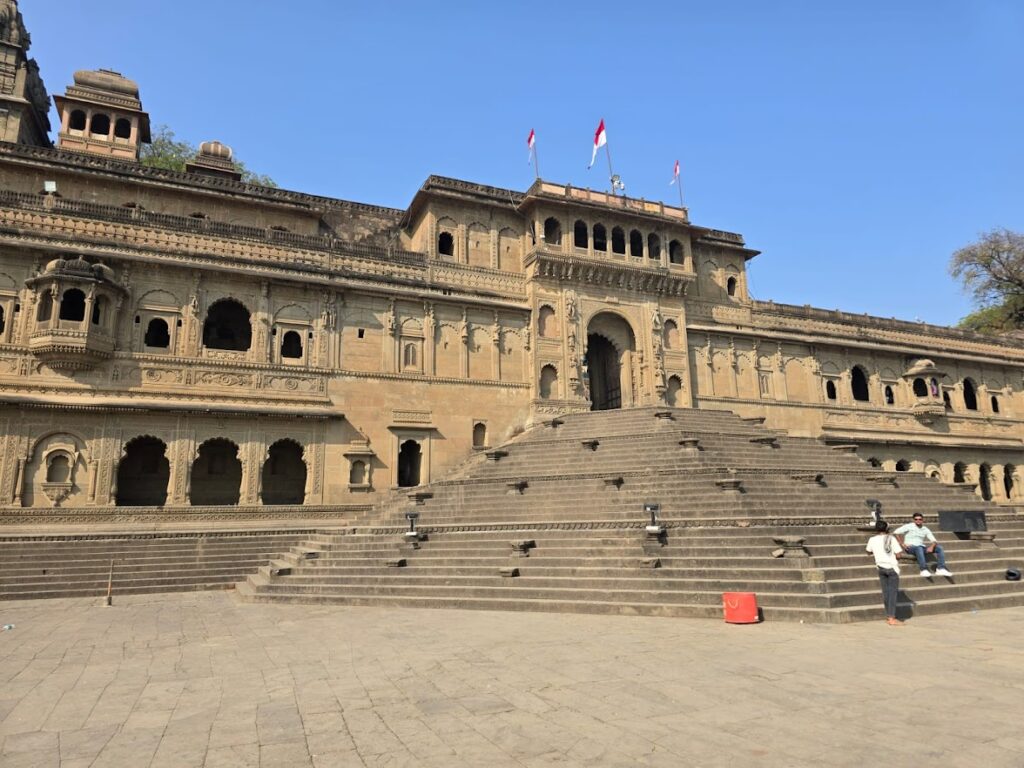
From Mandu’s grandeur, we proceeded to Maheshwar Fort on the serene banks of the Narmada River. Built by the Holkars, it features carved balconies overlooking ghats that demand a cautious descent. The river flowed with unhurried dignity, far calmer than our morning driver.
Though saree shopping hadn’t featured in our plans (it’s practically a ritual for visitors), resistance proved futile. Mahesh led us to Chouhan Handloom, reputedly the most popular outlet in town. The sales staff here possess the patience of saints, unfazed by indecisive customers requesting “just one more option” for the twentieth time—salesmanship at its finest.
We walked out with three sarees, reasonably priced and marked down by a flat 40%. Whether that was festive generosity or clever marketing remains a mystery. Either way, we returned richer in fabric, lighter in wallet, and thoroughly content.
Day three delivered speed, splendour, bargaining triumphs, and a reminder that sometimes, giving in to tradition, especially the handloom kind, is entirely worth it.
Day 4 – Indore Local Sightseeing
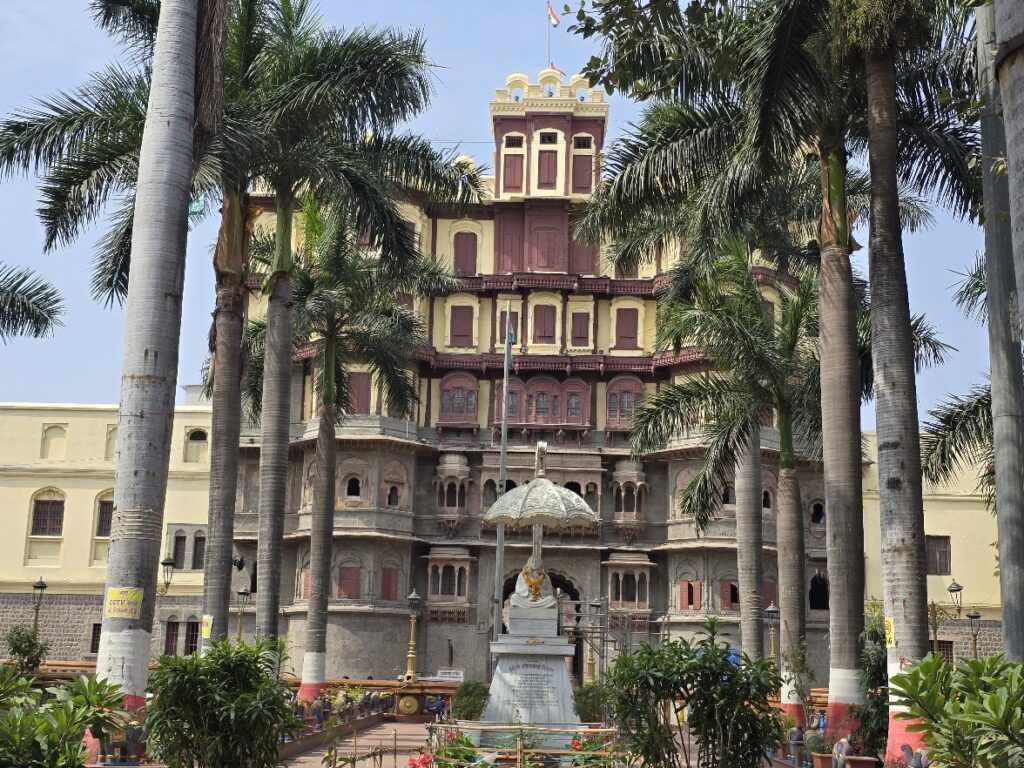
We explored Indore on our own, using auto rickshaws to visit its major historical landmarks. Our first stop was the majestic Rajwada Palace, built in the 18th century by the Holkar dynasty. The palace beautifully blends Maratha and Mughal architectural styles, and the museum inside offers a fascinating glimpse into the dynasty’s legacy. Its distinctive two-tone façade sets it apart from many other palaces in India.
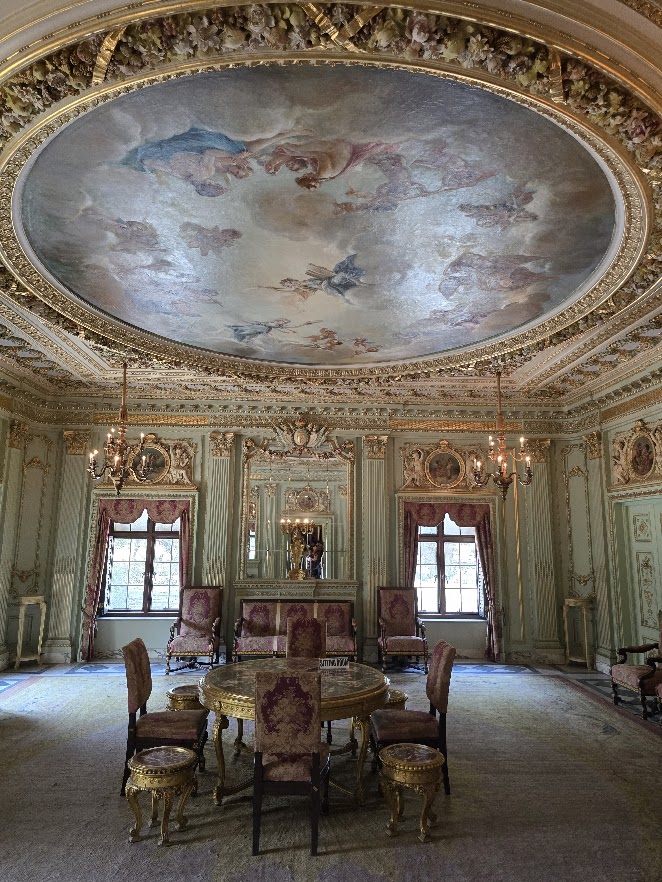
From there, we headed to Lal Bagh Palace, renowned for its grand European-style interiors. The palace reflects an elegant mix of Baroque, Rococo, and Neoclassical influences, showcasing the refined tastes of its era. While the gardens are currently undergoing restoration and do not yet match the splendour of the interiors, the ongoing efforts reflect a city deeply invested in preserving and enhancing its heritage.
Our final stop was the stunning Kanch Mandir (Glass Temple). The intricate glasswork and exquisite Jain craftsmanship adorning the walls and ceilings are nothing short of breathtaking. Photography is not permitted inside, so we settled for capturing the temple’s exterior. By this point, our energy levels were nearly depleted, though Indore offers many more temples and attractions for those eager to explore further.
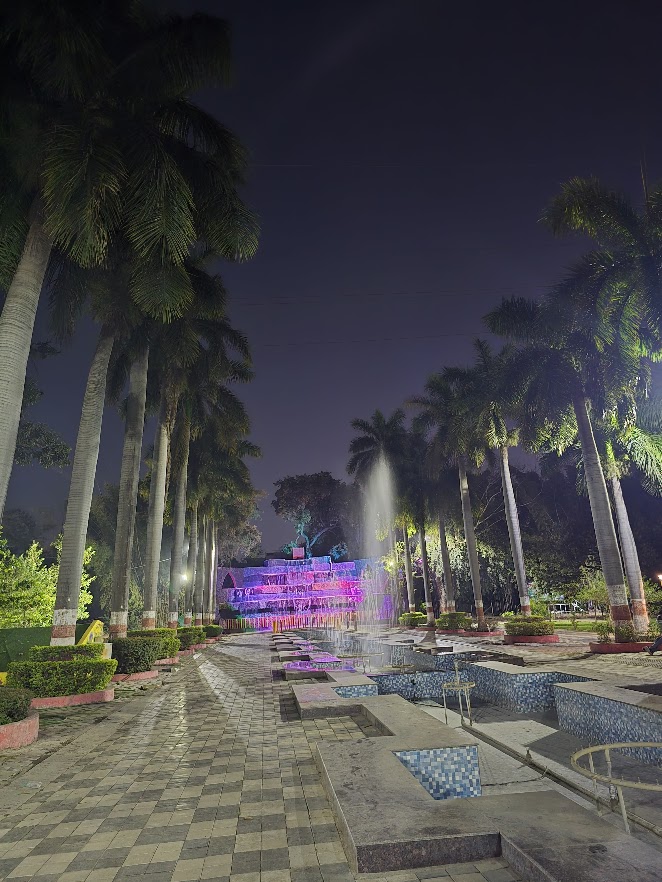
In the evening, we relaxed at Meghdoot Garden, a well-maintained park with tree-lined pathways and a colour-changing water cascade that adds a charming touch. Its proximity to the Marriott makes it an ideal spot to unwind after a day of sightseeing.
Impressions: Civility as Culture
Indore’s distinction lies not solely in monuments or cuisine, but in civic temperament. Despite heavy construction, honking was restrained and tempers remarkably composed. In markets, temples, autos, and hotels, warmth felt instinctive rather than rehearsed.
Cleanliness here seems less an award than a habit. Pride is visible not in slogans, but in everyday conduct.
We arrived curious. We left impressed — richer in sarees, steadier in spirit, and faintly scented with paan.
Travel, we have learned, is not about age but appetite; for flavour, for faith, for history, and occasionally for kulfi served with theatrical vapour.
And for foodies like us, Chappan Dukan surely deserves a repeat visit.
After all, one must return, if only to check whether the highway truly takes forty minutes.
Why Tourists Should Visit Indore, Ujjain, Mandu & Maheshwar
Few regions in India offer such a harmonious blend of culinary distinction, spiritual gravitas, architectural splendour, and living textile heritage as the Malwa circuit of Indore, Ujjain, Mandu, and Maheshwar. For a deeper appreciation of Malwa’s layered history, consider spending a night in Mandu or Maheshwar rather than treating them as hurried day trips. When the daytime crowds disperse, the silence around the palaces, pavilions, and river ghats allows the stories of sultans, saints, and queens to breathe more vividly. In Maheshwar, do not miss watching the sunset from Ahilya Fort. A heritage residence created in 2000 by Prince Richard Holkar, son and descendant of the last Maharaja of Indore. As the Narmada turns molten gold and temple bells echo across the ghats, history feels less like a chapter in a guidebook and more like a living, lingering presence.

Snigdha Agrawal (nee Banerjee) was raised in a cosmopolitan environment, with exposure to Eastern and Western cultures, imbibing the best of both worlds. Educated in Loreto Institutions run by Irish Nuns, she developed a love for writing from childhood. She holds an MBA in marketing and has over two decades of experience working in the corporate sector, which has refined her writing skills in both commercial and artistic contexts. A versatile writer, she writes across genres, including poetry, prose, short stories, and travelogues. She is a regular contributor to online journals published worldwide. A published author of five books, the latest, Fragments of Time, is a memoir written in a simplistic style. It is available on Amazon worldwide and Flipkart. She was nominated for the Pushcart Prize in 2024 for Poetry.
FB: Snigdha Agrawal
X: @SnigdhaAgrawal1
LinkedIn: Snigdha Agrawal
Threads: @chunnuchoku
Website: https://randomramblings52.wordpress.com