Rakhima Imanaly
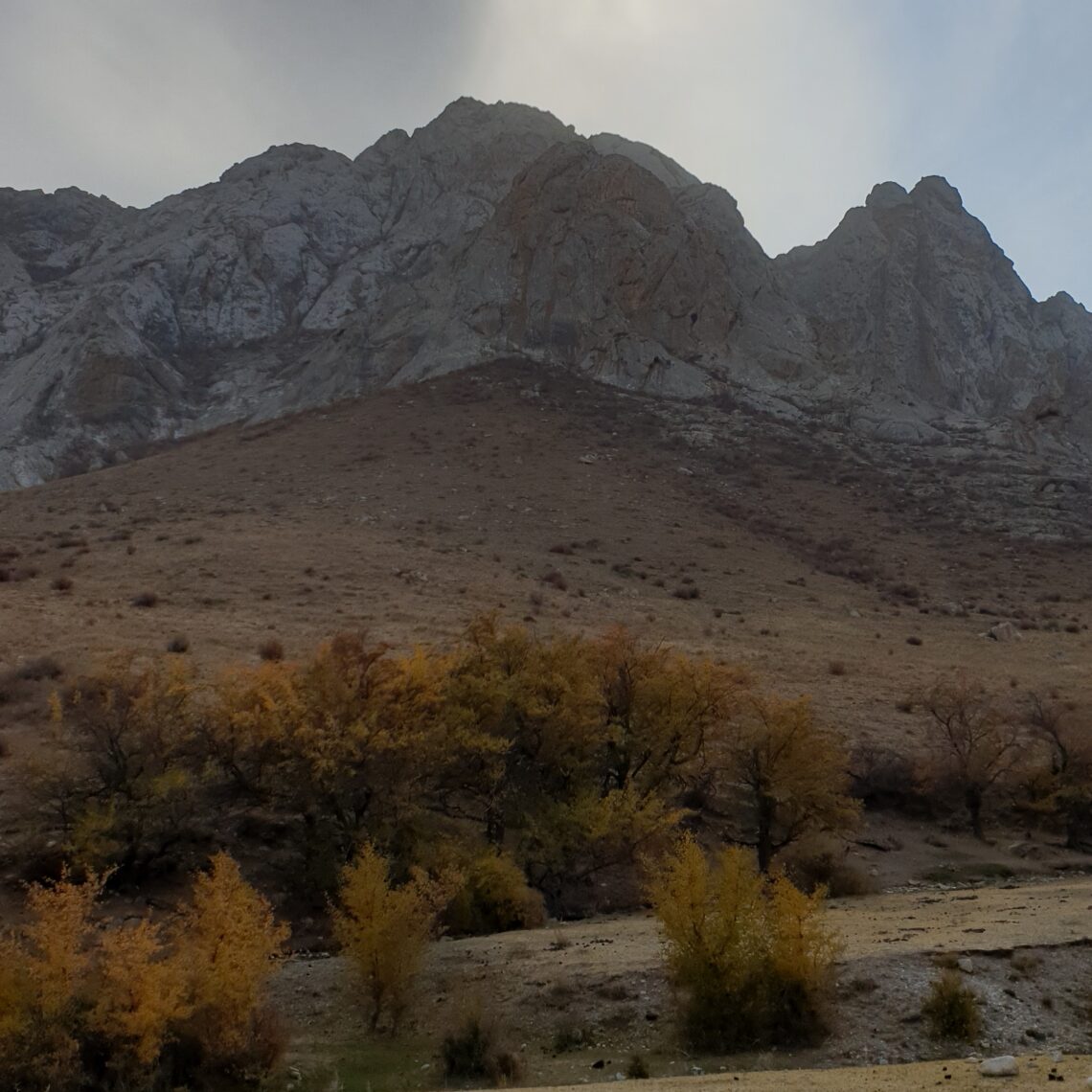
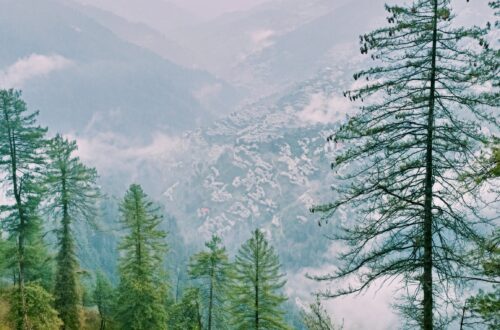
It was a foggy October morning, with heavy dark clouds all over the sky, so that we could hardly see the vague outlines of mountains looming in front of us. The first line of them seemed darker; others following it were more or less of a lighter shade, almost merging with the sky. The destination we wanted to see was more than two hundred kilometres from the city, and it took about four hours to get there.
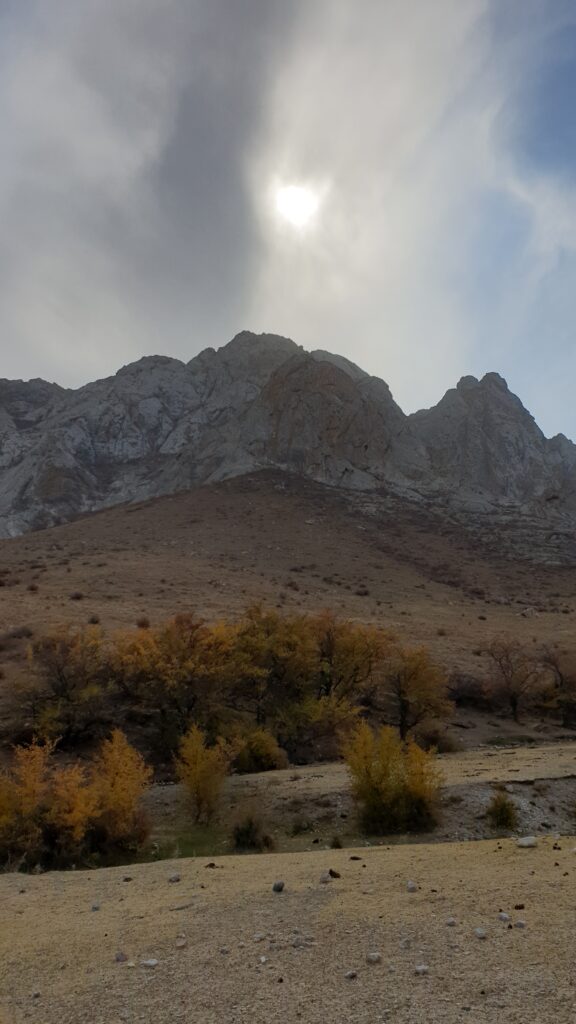
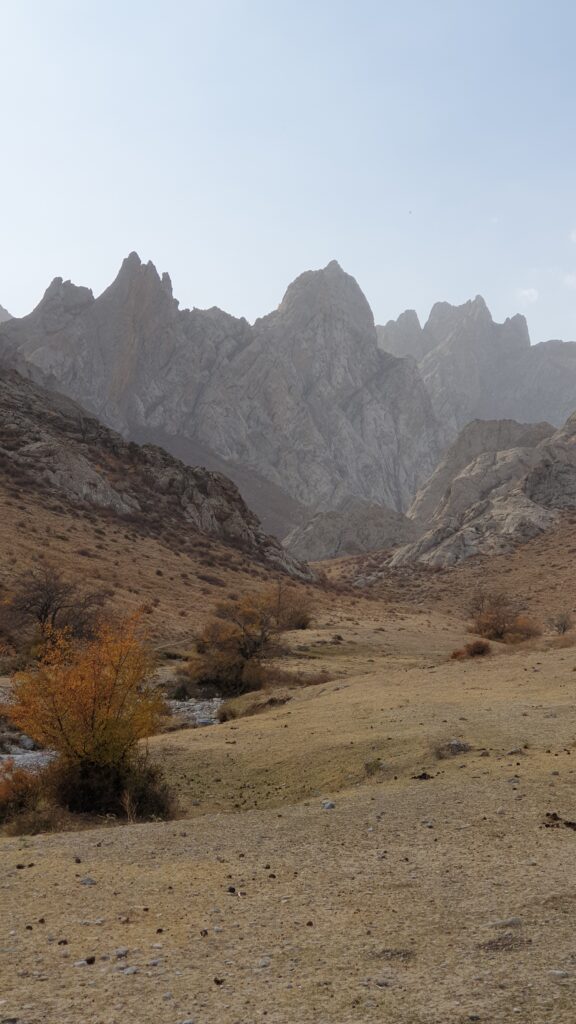
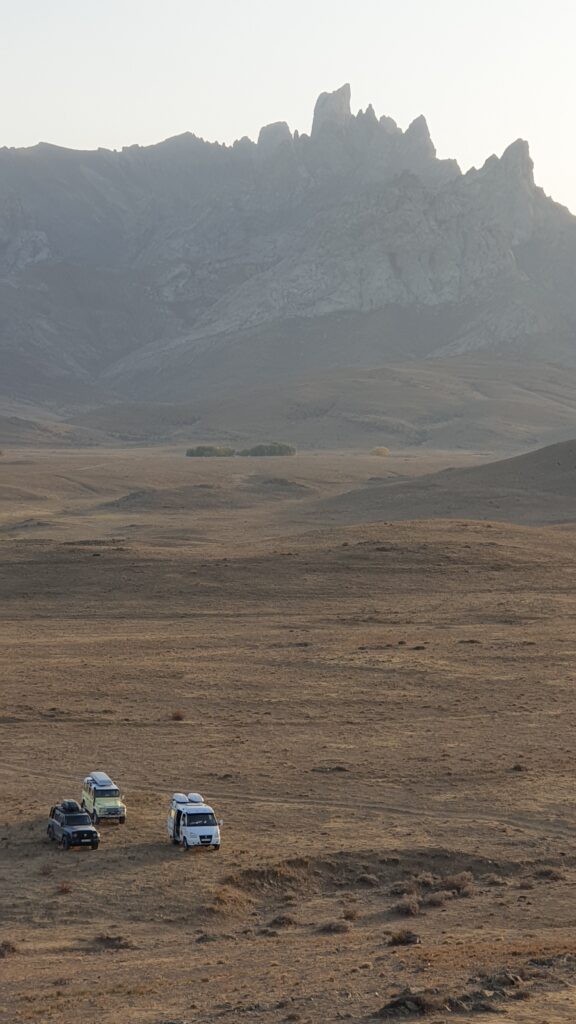
The car turned from the comfortable highway to the right and ran along a village road not paved, and small stones started hitting the glass with a grinding sound. My old acquaintance Andrey drove his car carefully and at a lower speed until we got to the soil road. It was a well-rolled line, and the car went up safely, if not to take into account short steep ups and numerous narrow streams, that covered the slopes here and there and interfered with the smooth driving. The destination was the mountain chains called Kelinshektau on the eastern side of the Karatau mountains in the Suzak region in Turkestan. At a distance, its peaks resembled the towers of some fantastic, gloomy palace. Moving up to the mountains, we came across the Bactrian camels, stately and majestic, looking attentively in our direction, and a herd of horses grazing in the valley. Falcons flew in the sky, and we saw one of them catching a mouse and hiding behind a big stone to have his breakfast, as if saying, “What for have you come here, you, restless people?”
“Why is it called Kelinshektau?” I asked, consumed by curiosity.
“It means a ‘stone bride’ from Kazakh,” Andrey said. He was a connoisseur of local mountains and an experienced guide.
“I’ve understood that, but why is it called so?” I didn’t calm down.
“We are coming up to the cordon, protection of the reserve. The local ranger will show us the mountains and explain everything to us,” Andrey said.
That was unexpected news for me. This once again proved that this was a unique place. It was quite helpful that Andrey could coordinate the route and agree on everything with the cordon service beforehand. An elderly man, strong-built, in a camouflage robe, came out from a small house and introduced himself. He greeted both of us, and without further ado, we got out of the car and went up along the mountain path following him. He showed us the way.
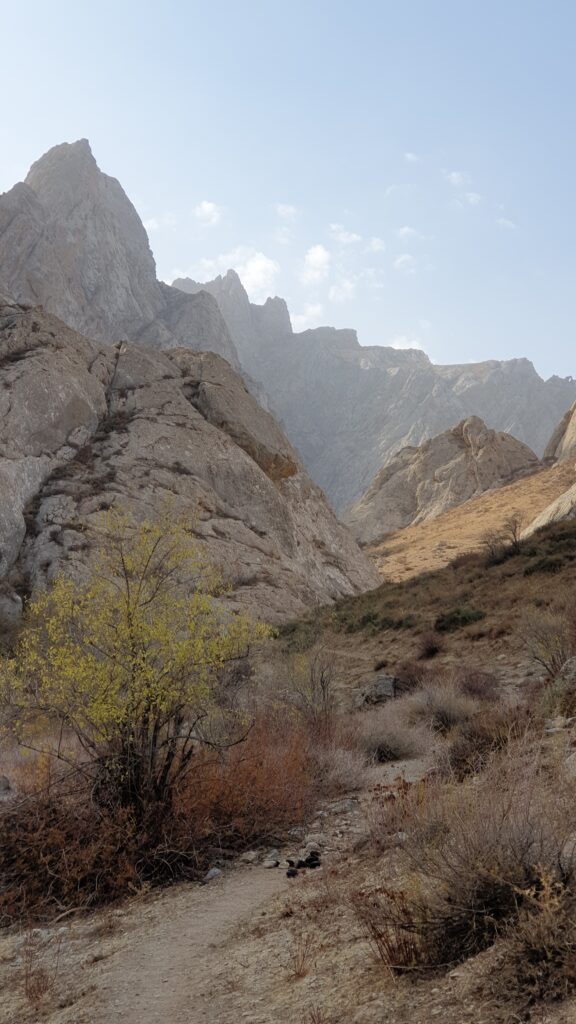
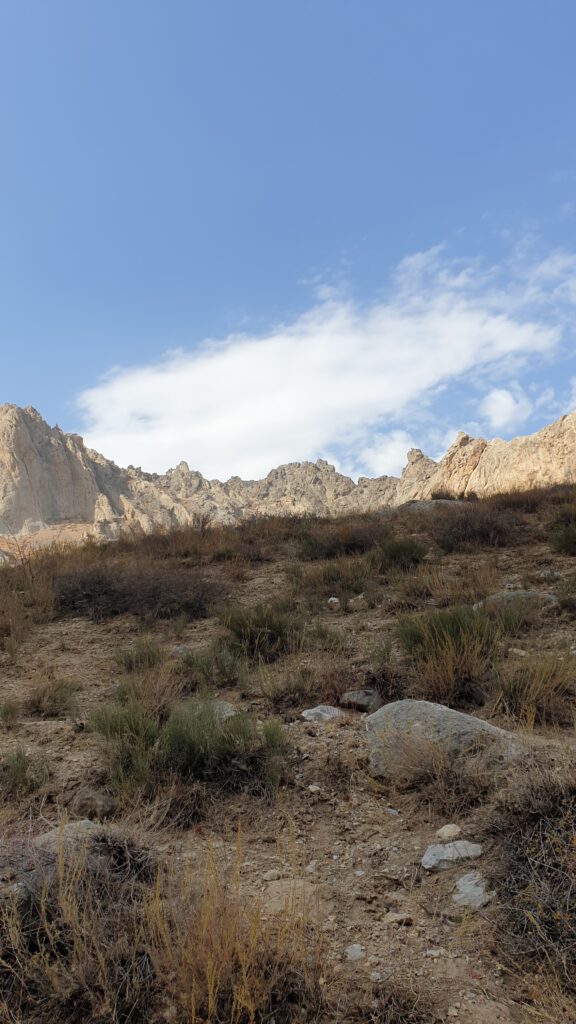
We got into the gorge of Kelinshektay and went along the mountain river. Huge boulders were lying everywhere as if a giant had played with them and then left them in a picturesque disorder. I looked around. The rocks were of dark grey colour varying in intensity, changing in the sunlight and shadow. The mountains had bizarre outlines.
“Could you tell us anything about these mountains?” I asked the ranger.
“Everyone knows it, even a little child,” he said. “Look here, do you see there an outline of a girl in a bride’s national costume with peaked headwear, and that is the outline of a dog surrounded by boulders, resembling the camel humps?”
I looked around. For me, the peaks resembled more of a huge dragon, lying on a land and waiting for us to come closer.
The ranger continued, “Well, many centuries ago, a Kazakh girl whose name was Aisulu, who was as beautiful as the moon, lived in the mountains with her family. She never dreamed of marriage because she never loved anyone, and no one could attract her attention. Her father was a rich merchant, and his wealth was well-known to everyone. Once, a young horseman from the steppe came to her father and asked for her hand. Aisulu refused to see him. Her father loved his daughter; he wanted her to get married, so he called her and announced that he would give a gold dowry—all things in it would be of gold. Then Aisulu agreed, and when the time came, a caravan with a dowry of gold items went slowly down the mountains to the steppe. On the way to her bridegroom’s aul, village, Aisulu decided to check whether everything was really gold. She looked through all of them and found one bowl for a dog, made from silver. Immediately, she sent a messenger to her father. The messenger conveyed her words full of offence exactly as she had said. Her father got angry and, at that moment, cursed his daughter. On the spot, his daughter, in her wonderful bride dress and bride headwear, with the whole caravan, with gold things turned into stones. Since then, these rocks are called Kelinshektau—‘a stone bride’.”
We listened in silence to the legend without interrupting the narrator.
“What a sad story,” I thought to myself. “A poor girl… lost the blessings of her father.”
“Are there any other legends connected to these places?” I asked.
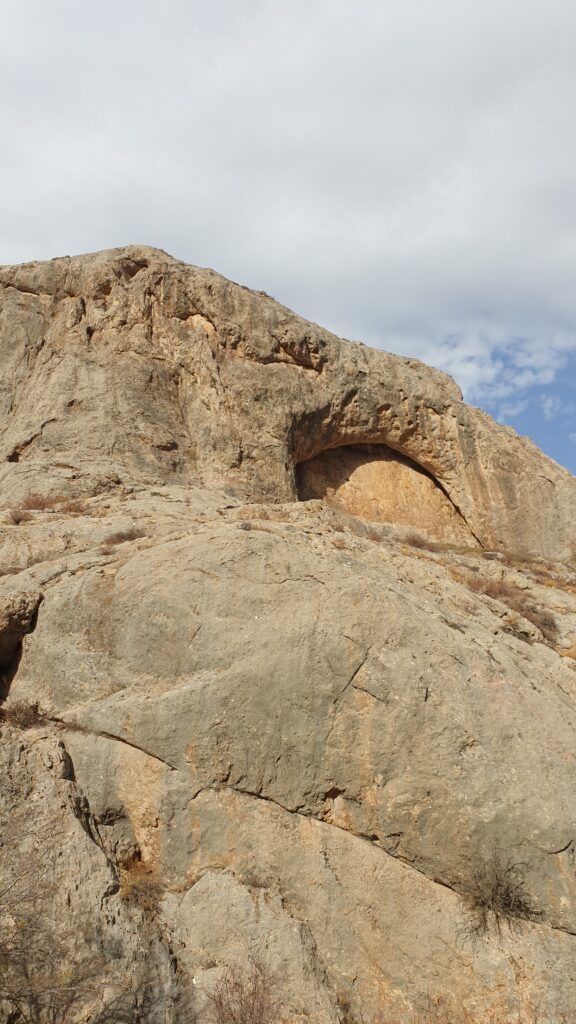
“Sure, there is another legend about these mountains. People believe that it was the place of dragons because there are rock paintings of reptiles with large wings. Look here, there is one huge stone called ‘The Dragon’s Eye’.”
I looked back. The rock, he pointed to with his hand, resembled the dragon’s head with a big open eye looking at us.
“It’s a part of the reserve, its nature is beautiful,” the ranger continued. “You see, there is a complex terrain, and there are many canyons here. Not far from here is a gallery of ancient rock paintings dating back to the Bronze Age.”
“Let’s go there,” I offered.
We continued our hiking trip down the slope. When we walked down the gorge, I kept thinking about Aisulu, her abrupt temper, and her freedom-loving nature. I imagined her in her wedding suit, her wedding headwear, decorated with precious stones. Suddenly, my eyes were drawn to hawthorns with glowing scarlet berries. They resembled burgundy carnelian stones sewn into a bride’s headdress for good luck and happiness. October said ‘goodbye’ to us in this beautiful place, and scarlet berries gathered by me into a bag could, for a while, keep my memory of this memorable trip and the extraordinary girl, the legend about whom survived centuries.
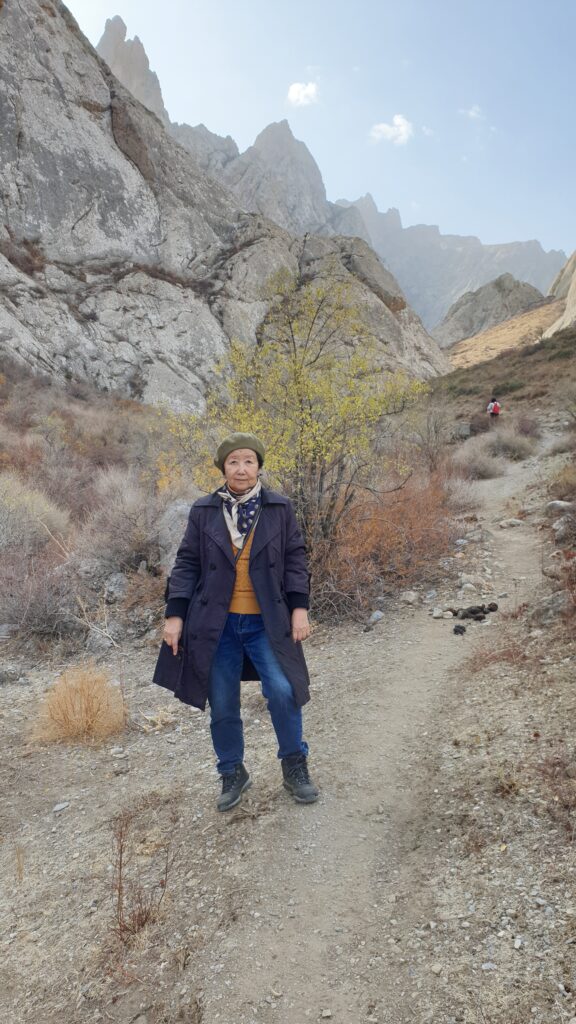

Rakhima Imanaly is a retired university professor from Kazakhstan. Her specialization is English. In her country, she teaches Style and Stylistics, and for the last few years, she has taught Creative Writing to senior students from the Philology Department. She is the author of the non-fiction book, Aspiring Me: A Memoir of Teaching, published by Darynbaspa in 2023 in Almaty, KZ. In her free time, she writes stories in English. She takes this seriously and understands that it is not an easy job. Some of her stories were published by online journals LiteZine, The Hooghly Review, Reedy Branch Review, and YAWP. You can find her at @rahimaimanalieva
Photos by Rakhima Imanaly


The detail about the stone textures adds such an interesting vibe. How did the couple feel about such a unique setting?