Abulqosim Mamarasulov
Translated from the Uzbek by Ferangiz Zokirova
Habib woke early, as he always did. When he pushed open the window, the sharp, metallic scent of snow rushed into the hospital ward.
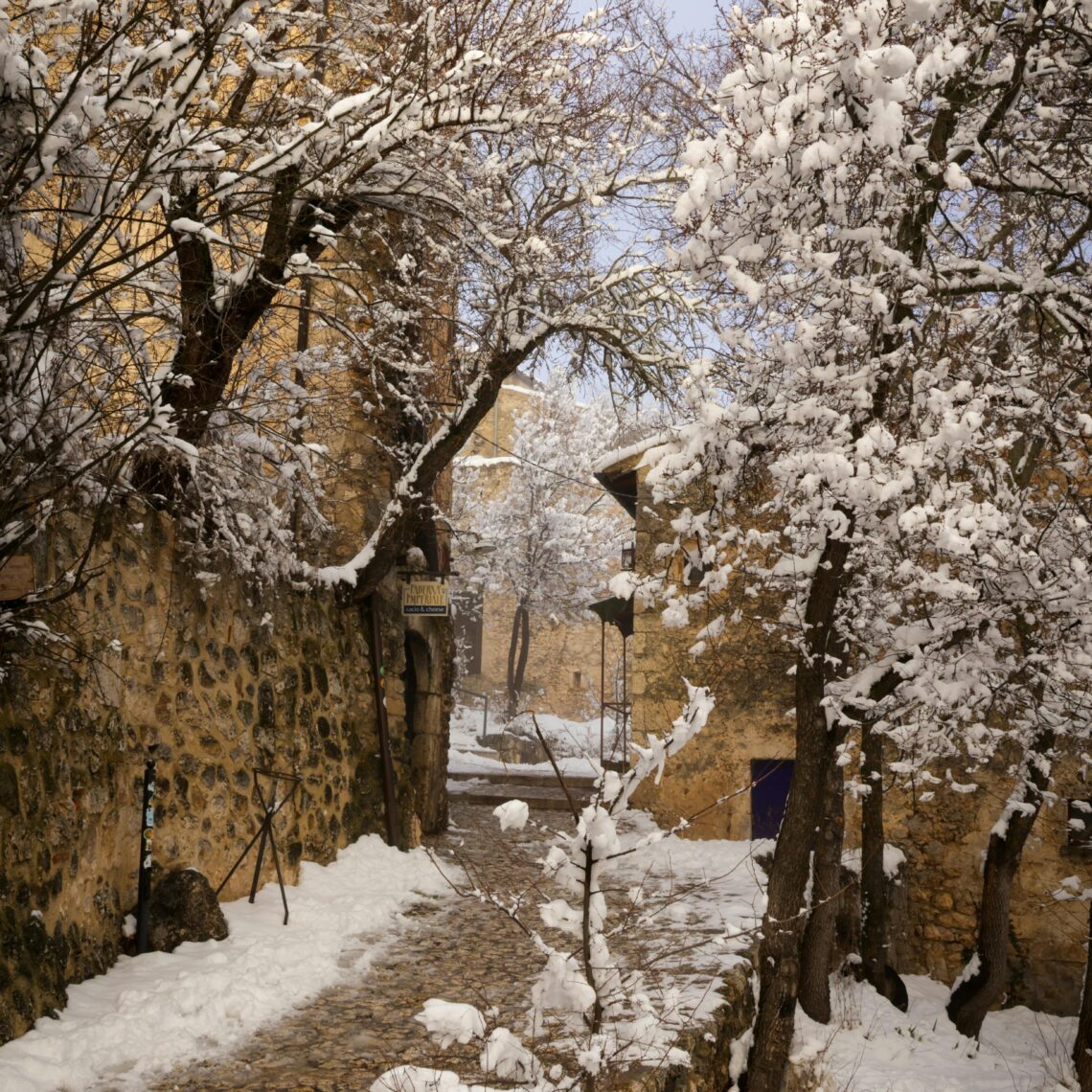
It was snowing. The first snow. Clean and white.
He ran every morning. A man had to keep himself strong.
Pulling on his tracksuit, he hurried outside. At the gate, the old night guard looked up sleepily and frowned.
“It’s snowing, son.”
“If I don’t run at least one lap,” Habib replied gently, “my heart won’t be at ease.”
The old man shook his head. He always tried to stop him. If it was not snow, it was rain. If not rain, then cold wind. Habib always answered calmly and went anyway. The guard would watch him disappear down the path and mutter, “Strange boy.”
Snow was falling steadily now.
Habib began at an easy pace. The ground felt soft beneath his feet, as though he were running across a quilt rather than concrete. Snowflakes brushed his cheeks and lashes, cool and delicate, like a shy caress. He tilted his face upward and opened his mouth, catching them. A light shiver passed through him.
No one had touched the snow yet. When he glanced back, only his footprints marked the white surface.
What was Gulsara doing now? Had she seen the first snow?
It had snowed that day too.
They had been students then, full of reckless energy. Habib and his friends had stood along the street, ambushing passing girls with snowballs. If they managed to catch one, they would smear snow across her face, laughing at her protests.
Habib’s snowball struck a girl walking quietly at the edge of the path. She stopped, brushed snow from her shoulder, turned, saw him grinning—and then calmly continued on her way.
Something about that unsettled him.
He made another snowball and hurried after her. Catching up, he lightly grabbed her shoulder and pressed the snow against her cheek.
She did not scream. She did not pull away. She simply wiped her face and looked at him.
Her gaze was steady.
It seemed to ask, Is that all?
Habib had expected outrage. A playful fight. Angry words. Most girls reacted that way. They shrieked, ran, pretended fury.
But this one stood still.
The snow slipped from his hand and fell unnoticed to the ground. He found himself staring into her eyes.
What was in them?
Something struck his chest like heat. His hands trembled. He tried to speak but no sound came. Even his smile failed him.
She continued to look at him calmly.
Habib turned his eyes away. He was not usually shy. Why now?
When he said nothing, she simply walked past him and continued down the street.
He watched her go, unable to think, unable to move.
He never saw her again.
A year passed. Still, he remembered her. That brief meeting returned to him unexpectedly, again and again.
Then came the medical examination. A shadow appeared on his lung.
Tuberculosis.
The word felt unreal. He had never been ill. He felt strong. Yet the doctors insisted it was early and treatable. Better to prevent it now.
On his second day in the hospital, he went to collect his evening medicine. Distracted, he accepted the pills and turned toward the door.
“Take them here,” a voice said.
He looked up.
Something flashed through him, swift and hot. His fingers opened. The pills scattered on the floor.
She stood before him.
The girl from the snow.
Gulsara.
She wore a nurse’s uniform now.
“What’s wrong?” she asked.
Habib bent quickly to gather the fallen pills.
“Leave them,” she said kindly. “I’ll bring new ones.”
When she handed them to him, their fingers brushed.
In that instant, the hollow space inside his chest seemed to close.
But she looked at him only with mild curiosity, as if wondering why he had gone pale.
She did not recognize him.
Her name was Gulsara. She lived in Barlos village and worked the evening shift once every three days.
Habib began counting the days between her shifts.
Since she did not remember him, he could not bring himself to mention the snow. Their conversations remained brief and formal. He would take his medicine, stand in the corridor, and wait, pretending not to watch for her.
Sometimes she would pass without noticing him at all.
Habib finished his second lap around the hospital yard. Snow covered his hair. His breathing deepened.
What kind of tuberculosis patient could run like this?
He would prove them wrong.
He lengthened his stride, opened his mouth for air, and sprinted the final stretch. When he stopped, steam rose from his body. He rubbed snow over his flushed face and neck.
If only Gulsara would run toward him now.
She would laugh. She would try to escape. He would catch her. She would plead with smiling eyes.
He would hold the hands that once gave him medicine.
They would stand close, breath mingling in the cold air.
If only.
Yesterday she had worked the evening shift.
Habib suddenly knelt in the snow and pressed his forehead into it.
He knew what he would do.
He would bring her the first snow.
He would remind her of that day.
Later, he stood outside the nurse’s room, snow melting in his cupped hands, sliding down his wrists. His heart beat wildly.
He knocked.
Another nurse opened the door.
“Could you call Gulsara, please?”
“She left.”
“But she was on shift last night.”
“She finished at dawn,” the nurse replied curtly. “Anything else?”
Habib crushed the snow in his hand.
Melted droplets fell behind him along the corridor like thin, bitter tears.
She did not come for her next shift.
Nor the one after that.
Nor the one after a month.
Gulsara had married a driver.
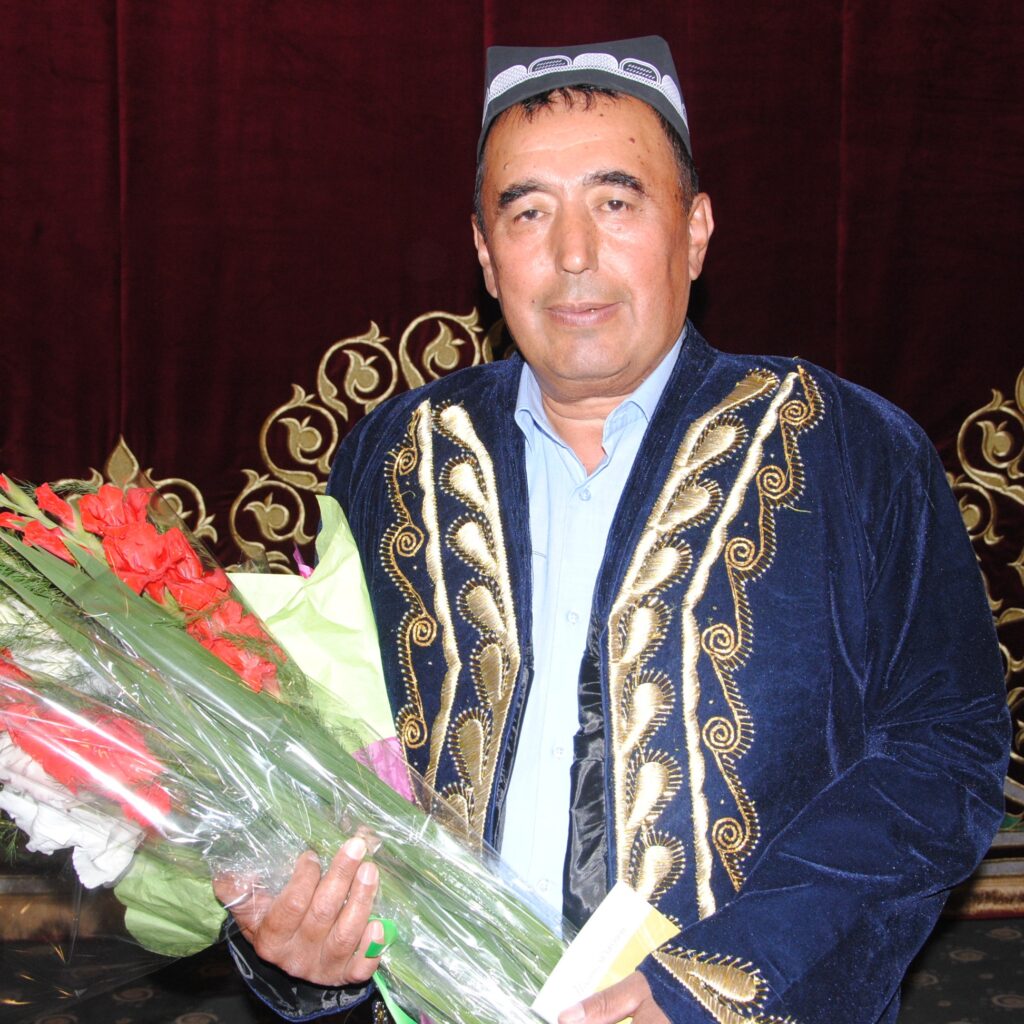
Abulqosim Mamarasulov is an Uzbek writer, journalist, and translator. He graduated from Samarkand State University in 1979 with a degree in Russian philology and began his career as a translator and journalist. He worked for several major Uzbek newspapers, including Uzbekiston Adabiyoti va San’ati, Xalq So‘zi, Turkiston, and Inson va Qonun. He also led the Jizzakh regional branch of the Writers’ Union of Uzbekistan and has been a member of the union since 1984. Mamarasulov is known for his lyrical prose and psychologically nuanced storytelling, often centered on rural life and human relationships. His published works include Suyunchi (1982), A Moment of Life (1985), Burning for You (1988), The Emerald Dawns of Barlos Village (1990), The Lovers (1992), I Love You, Buvirajab! (2011), and Telba Muhabbat (2018). He also translated The Gulag Archipelago into Uzbek, published in 2021.
Website: https://asarlar.uz/muallif/abulqosim-mamarasulov
Wikipedia: Абдулкосим Мамарасулов
Facebook: Abulqosim Mamarasulov
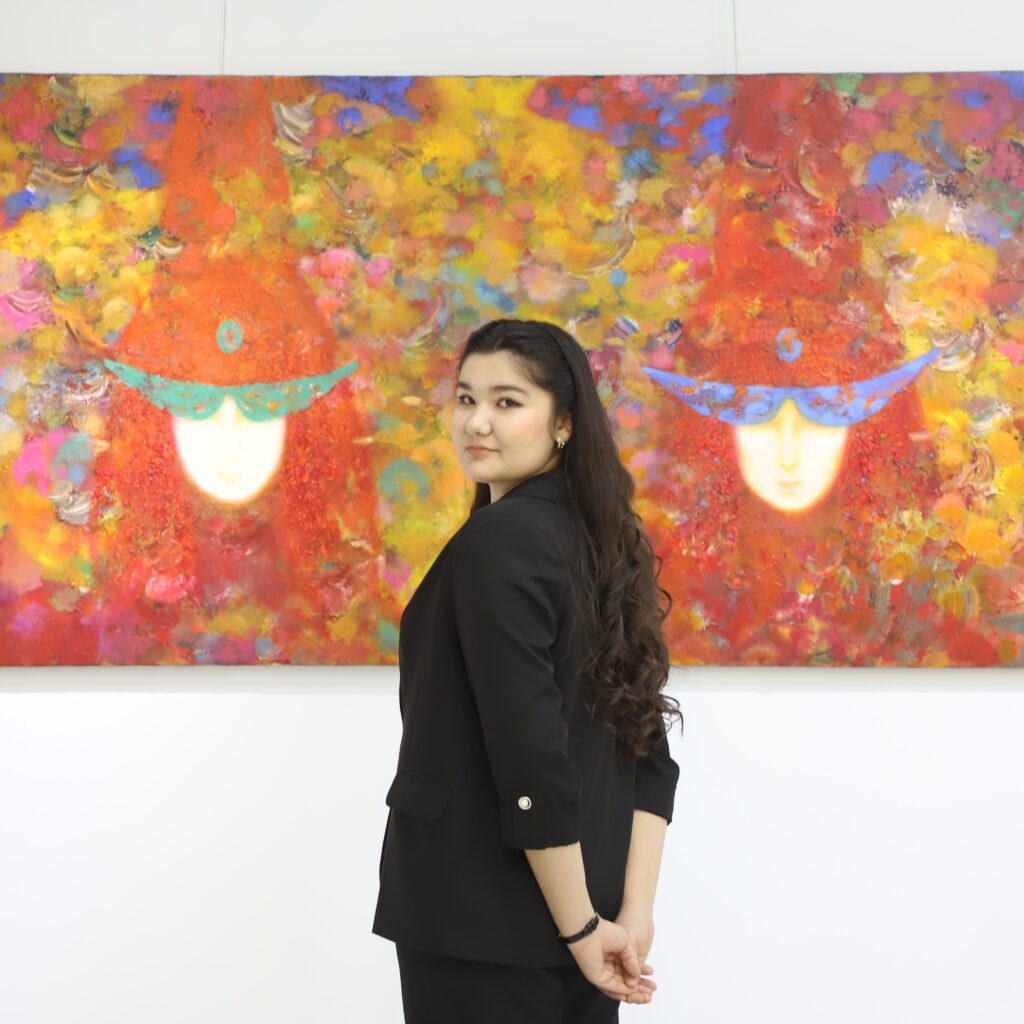
Ferangiz Zokirova is a Translation Studies student at the Alisher Navo’i Tashkent State University of Uzbek Language and Literature. She focuses on translating contemporary Uzbek prose into English, with particular interest in introducing Central Asian literary voices to international readers. She has published the article “Brain Activity and Cognitive Processes in Simultaneous Interpretation” in Uzbekistan: Language and Culture, as well as “Is the Translation of the Titles of Literary Works Important?” in Ma’rifat newspaper. Her translations from English into Uzbek have also been published in national outlets. She is based in Tashkent, Uzbekistan.
LinkedIn: Ferangiz Zokirova
IG: ferangiz_zafarovna
Featured photo by Magda Ehlers (Pexels)


