Sabyasachi Roy
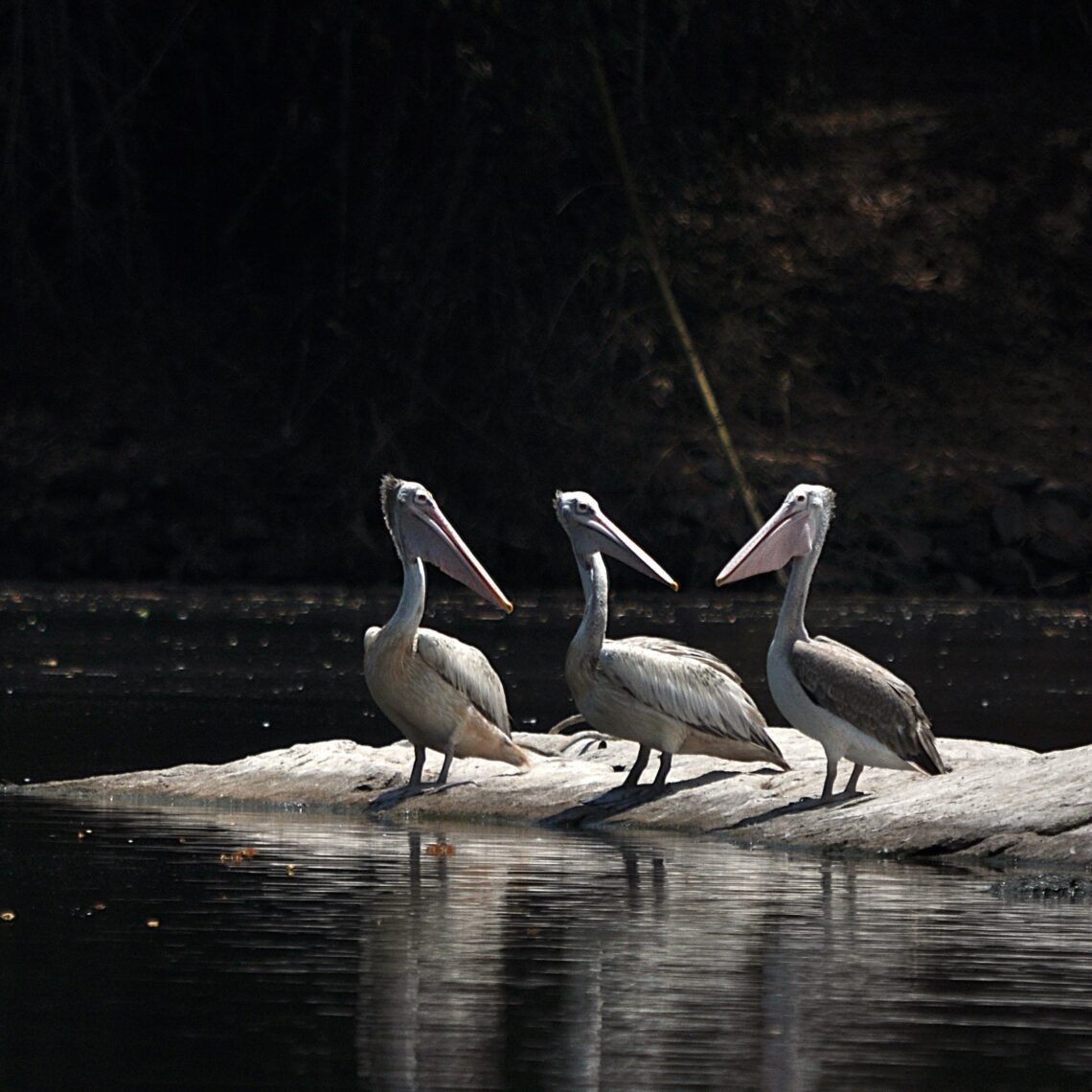
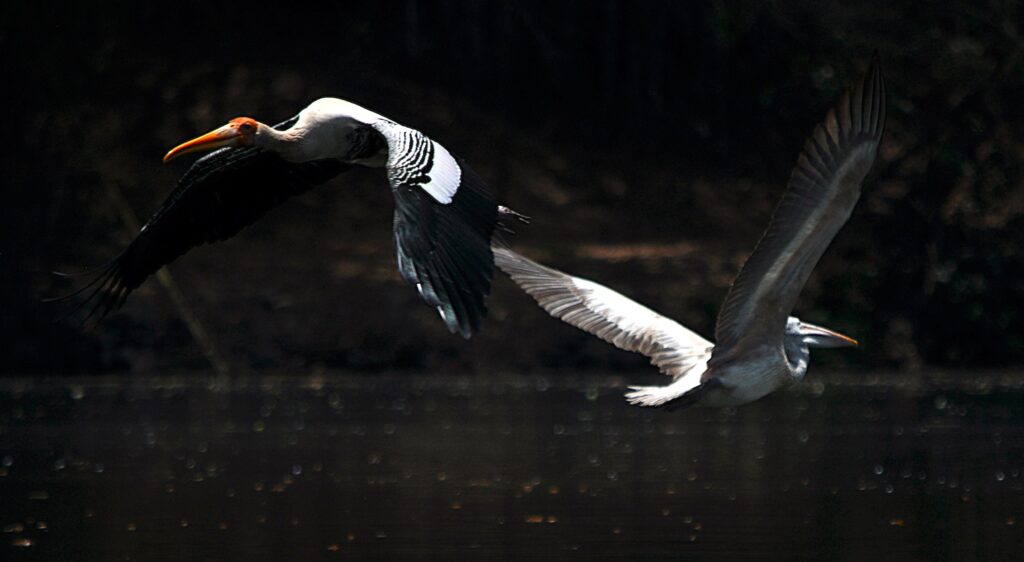
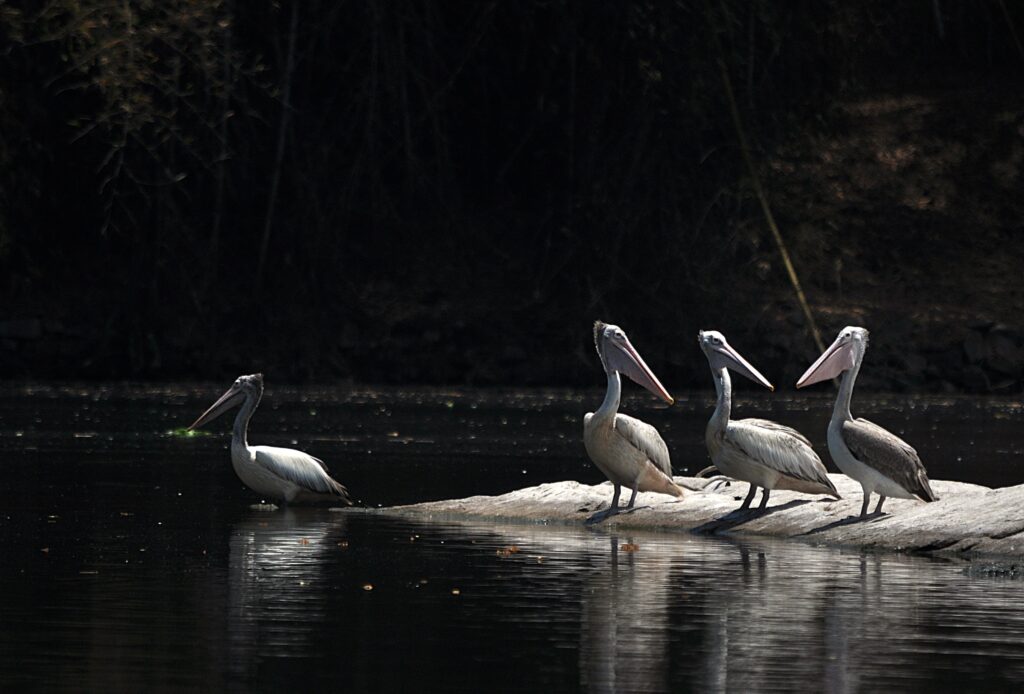
The sanctuary is basically an avian Airbnb for the pied kingfisher’s hover-and-dive show to the lazy float of spot-billed pelicans. It is a safe haven that offers room and board to both migratory and resident birds. Tucked away in Karnataka, close to Mysuru, Ranganathittu is more than another green spot on the map of India’s biodiversity. Here we can find more than 200 bird species, totaling about 40,000 birds that call this wetland reserve home during certain seasons, drawing migratory visitors from Siberia, Latin America, and even Europe.
The first time I stepped onto the little boats that float across the waters of Ranganathittu Bird Sanctuary is still fresh in my mind. The Cauvery River stood in front of me in the early morning, a glassy sheet of green with ripples from sluggish crocodiles. For any tourist or bird watcher, the flutter of wings that works as a canopy over our boat while it plodded along marked the beginning of a unique show, is a true passport to an enchanted primeval show. However, it is predominantly a display of feathers, beaks, and melodies and that made me wish I had a second set of eyes.
A Living Biodiversity Museum
With its mangroves and riverine islands providing the ideal combination of food, shelter, and the odd photo opportunity for ogling tourists like me, it is a permanent home for the local bird species. The sanctuary’s six islets, formed by a bend in the Cauvery, nurture a whole ecosystem. Marsh crocodiles bask like prehistoric sunbathers, and if you listen closely, the soft plop of a turtle slipping into the water is like nature’s punctuation mark.
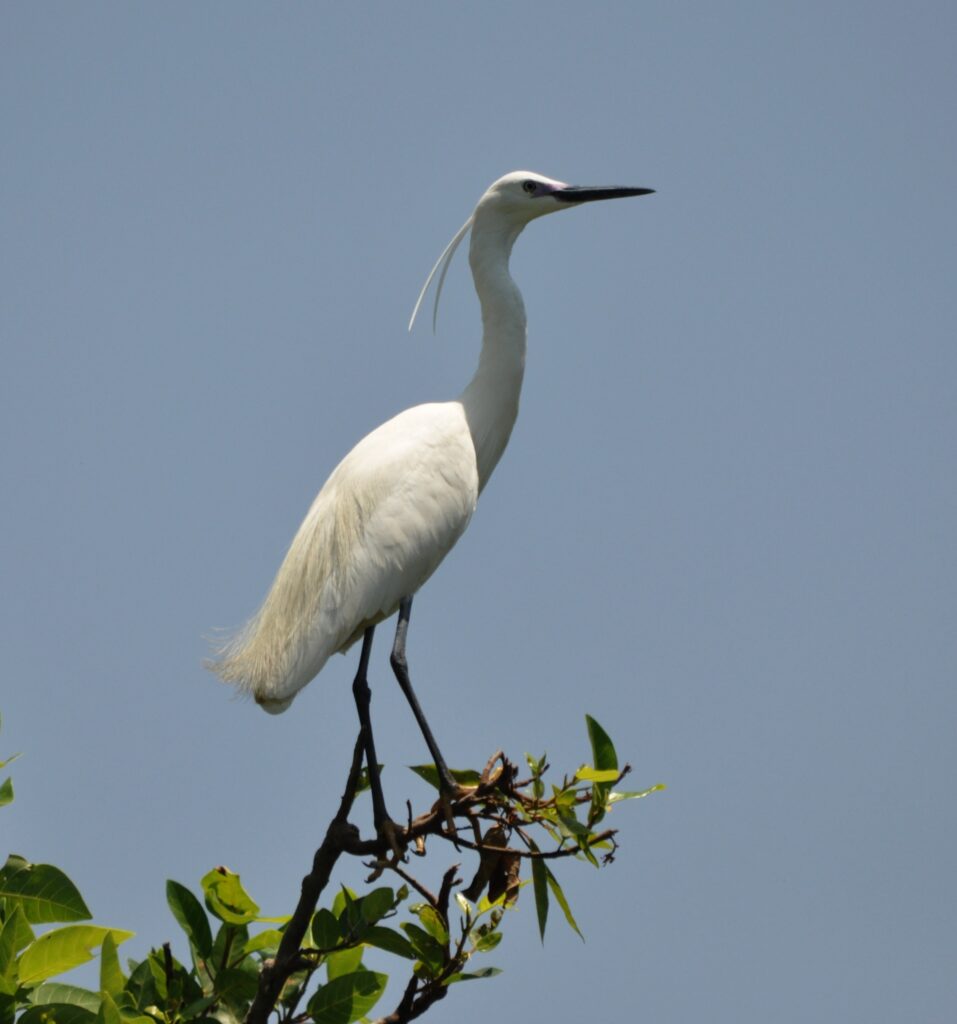
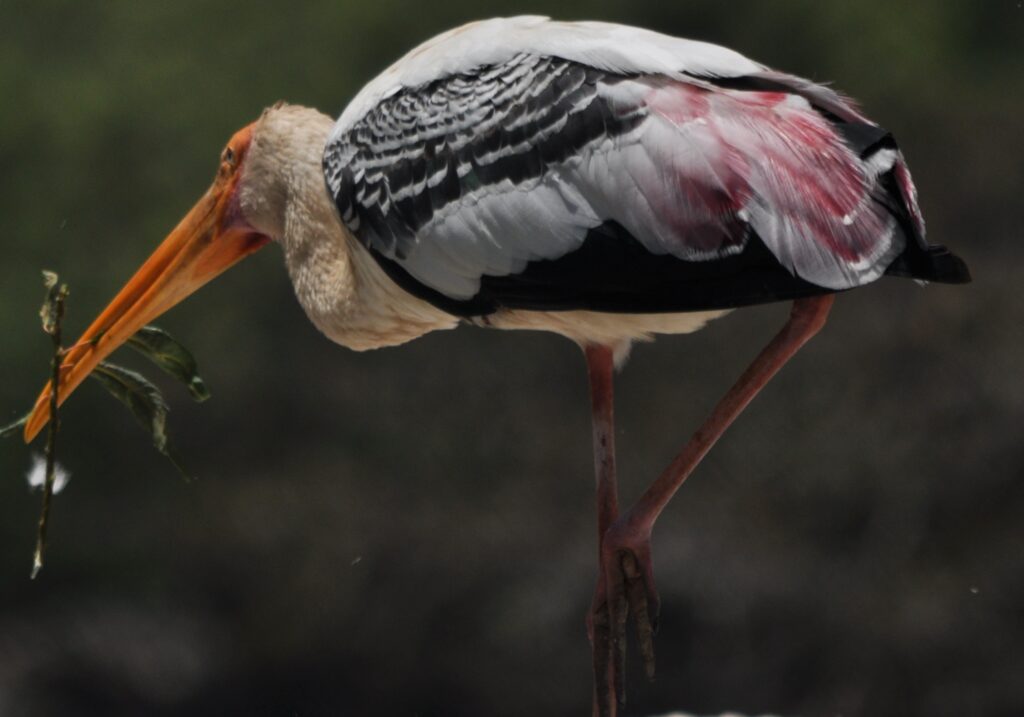
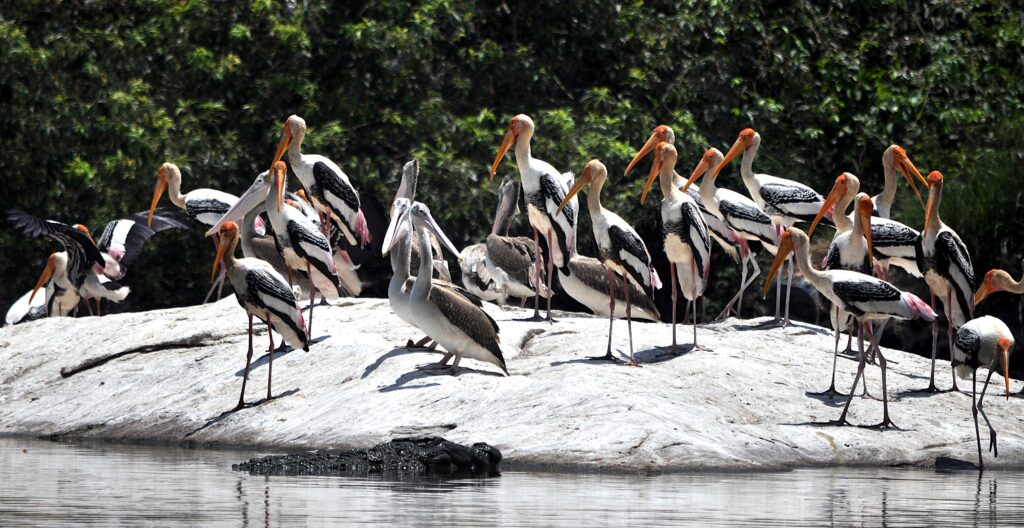
The allure of Ranganathittu is its paradoxical quality—it is both wild and approachable. To see uncommon birds, you do not have to hike through miles of deep woodland. Instead, board a boat, and in a matter of minutes, you will be gliding past Spoonbills, Painted Storks, and Asian Openbills—who, incidentally, appear to have perfected the skill of ignoring people. They virtually defy gravity by building their nests in colonies, perched precariously on twigs that hang over the river.
But, of Course, There’s Trouble in Paradise
But this birdy Utopia is not without its problems. The water levels of the Cauvery River are a major contributing factor to the growing threat to the sanctuary’s fragile biological equilibrium. Experts believe that these shifts in water levels are like a bad roommate—unpredictable and often destructive. Water management upstream directly influences nesting success here, one misstep in releasing water, and entire colonies could be wiped out.
Beyond water woes, there’s also the issue of human encroachment. With Mysuru expanding, agricultural lands pushing closer, and tourism infrastructure spreading its tentacles, the sanctuary is feeling the pinch. The bird population data reveals a worrying trend—while some migratory species have adapted, others are giving Ranganathittu a miss, choosing quieter, less disturbed wetlands instead. So, what can be done? Well, for starters, better coordination between water management authorities and the sanctuary’s needs is a must.
The Cauvery: Life-Giver and Potential Heartbreaker
They are a bit like picky roommates, birds and fish, they need consistency. So, whenever there is a sudden drop in water levels it tends to expose nesting sites, leaving eggs vulnerable to predators. High waters? They can flood the islands, washing away nests and upsetting the sanctuary’s rhythm. During my last visit, a guide pointed to a half-submerged islet, “Last year, we had pelicans nesting there. This year, nothing.” His voice held a quiet resignation that spoke volumes. Experts agree. Water-level management is crucial and we need a balance between human needs and ecological stability.
So, the Cauvery River is both the sanctuary’s backbone and its Achilles’ heel. Due to dams and barrages upstream, the river’s flow is strictly controlled. Birds that live on fish, like cormorants and kingfishers, may suffer from a decline in fish populations during the dry months. And this is due to decreased flow. In contrast, sudden releases of water can flood nesting areas, turning well-built avian crèches into tragic washouts.
Thus, we need a water management policy that considers ecological needs, not just human demands. There’s no point in having a river if its banks are empty of life. The river provides, no doubt, but it also demands respect and mindful management.
Conservation: Not Just a Buzzword
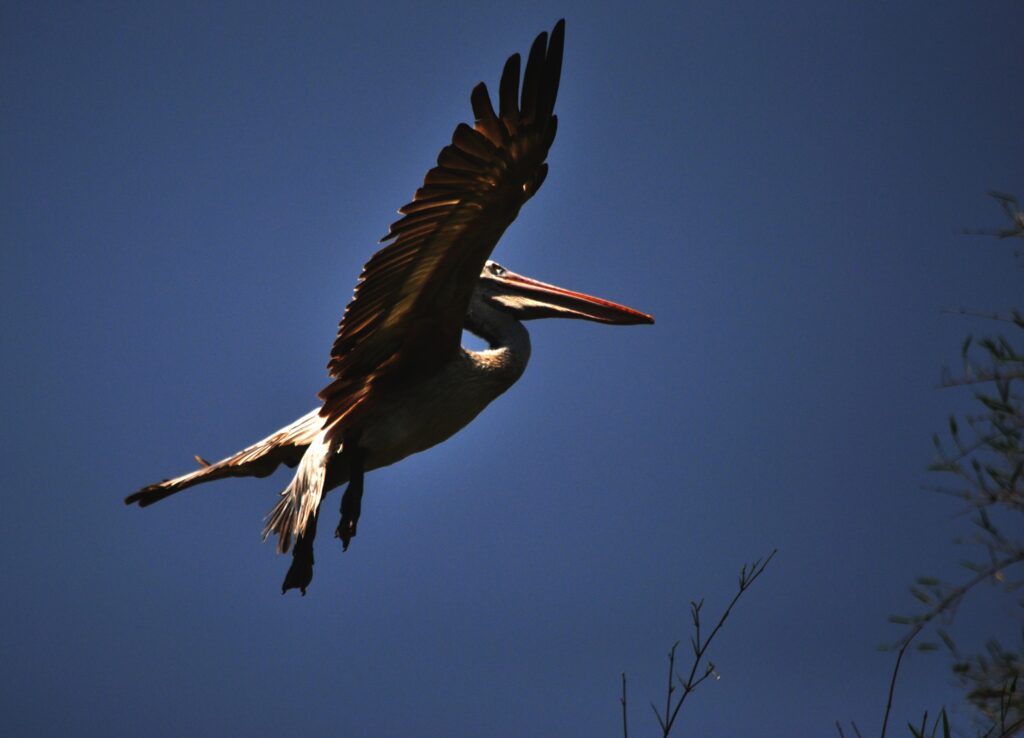
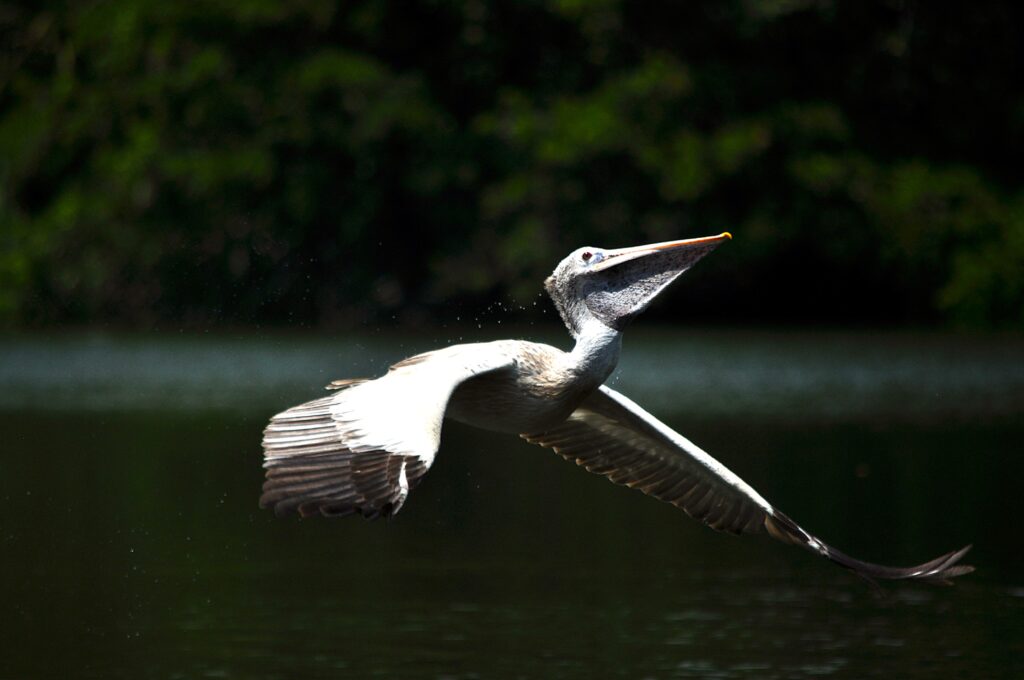
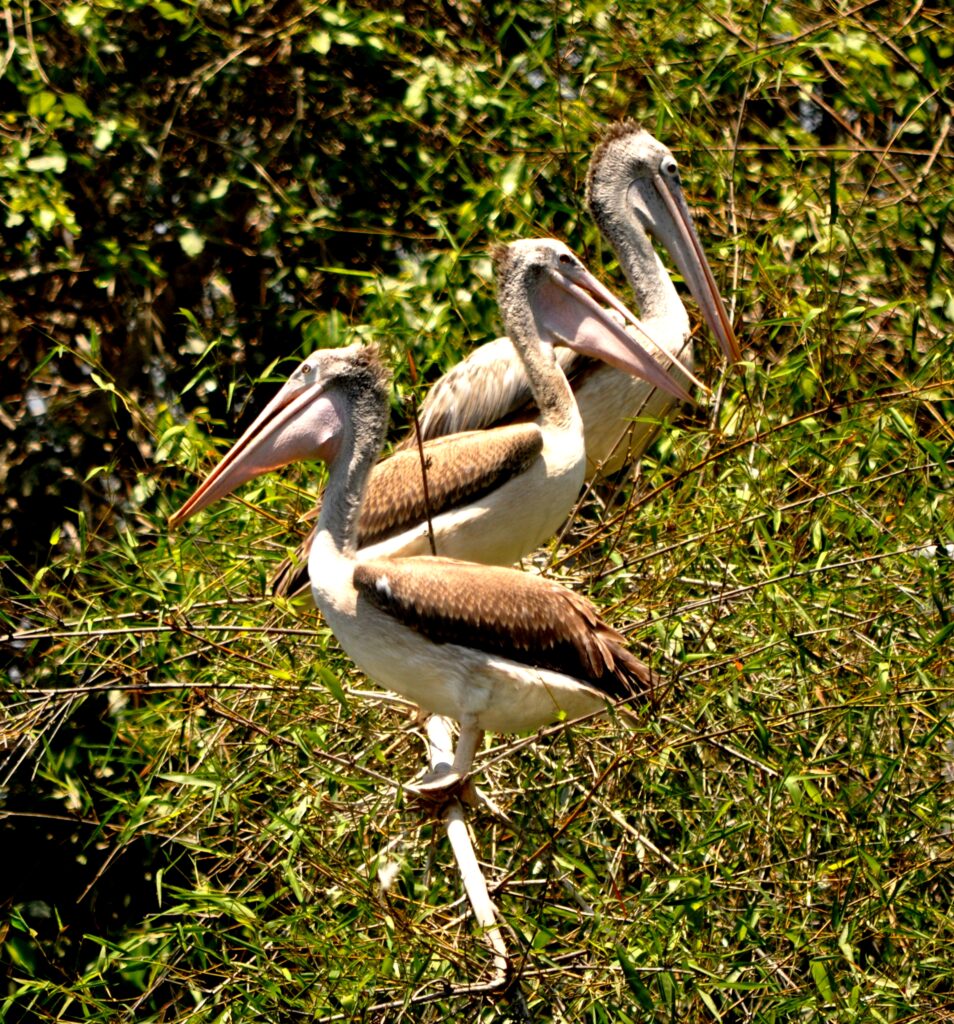
Thankfully, Ranganathittu is not without its guardians. The Karnataka Forest Department has carried out several conservation initiatives. This has been executed in collaboration with regional NGOs. Eco-awareness programs are one of the endeavors, habitat restoration initiatives is another. Alongside this, routine bird counts are gradually but surely having an impact. One notable example of success is the endangered Spot-billed Pelican, whose numbers have steadily increased in recent years due to specific nesting site safeguards.
The sanctuary’s function in teaching tourists is another plus. In addition to identifying birds, the guided boat tours offer a chance to tell tales about the ecological significance of the refuge. Nothing makes you reconsider the impact you have on the world like learning about a bird’s 3,000-kilometer trek.
Keeping Ranganathittu Wild
A multifaceted strategy is necessary to guarantee Ranganathittu’s survival. First and foremost, measures for adaptive water management need to be put into practice. In order to preserve nesting sites, these tactics should give biological needs top priority when determining when upstream dams should release water, keeping water levels steady. Second, enforcing buffer zones around the sanctuary more strictly will help limit the impact of tourists and lessen human encroachment. Using educational initiatives and guided tours to promote ecotourism can raise awareness while causing the least amount of harm to wildlife.
Engaging nearby communities in conservation initiatives has the potential to revolutionize the field. Programs that provide incentives for sustainable behaviors, such as organic farming close to the sanctuary, can decrease pesticide discharge into the Cauvery. Younger generations might develop a sense of ownership by participating in citizen science initiatives and bird-watching programs at schools and universities.
I had a mixture of wonder and urgency as the boat jolted into the coast at the end of my tour. A little sanctuary, Ranganathittu, just 40 acres (16 ha), but its ecological significance is far greater than its size suggests. It serves as a reminder that nature is essential even if it is small.
A Sense of Responsibility
I left with more than just pictures and binocular-induced eye strain. I left with a sense of responsibility. If a little island sanctuary on a sleepy river can support thousands of lives, the least we can do is ensure the river keeps flowing, the birds keep coming, and the sanctuary keeps thriving. With its constantly fluttering inhabitants, this sanctuary tells us that living in peace with nature is a duty, a practice, and possibly a means of discovering our own wings rather than a far-off ideal.
The next time I’m there, I hope to see not just birds but also more people who care—people who get that preserving this haven is about keeping a promise to the planet. After all, we might not be able to fly, but we sure can make a difference.


Sabyasachi Roy is an academic writer, poet, artist, and photographer. His poetry has appeared in Viridine Literary, The Broken Spine, Stand, Poetry Salzburg Review, The Potomac, and more. He contributes craft essays to Authors Publish and has a cover image in Sanctuary Asia. His oil paintings have been published in The Hooghly Review. You can follow his writing on Matador here:
https://creators.matadornetwork.com/profile/e0x59k96/
Craft essays: https://sabyasachiroy.substack.com/
Photos by Sabyasachi Roy