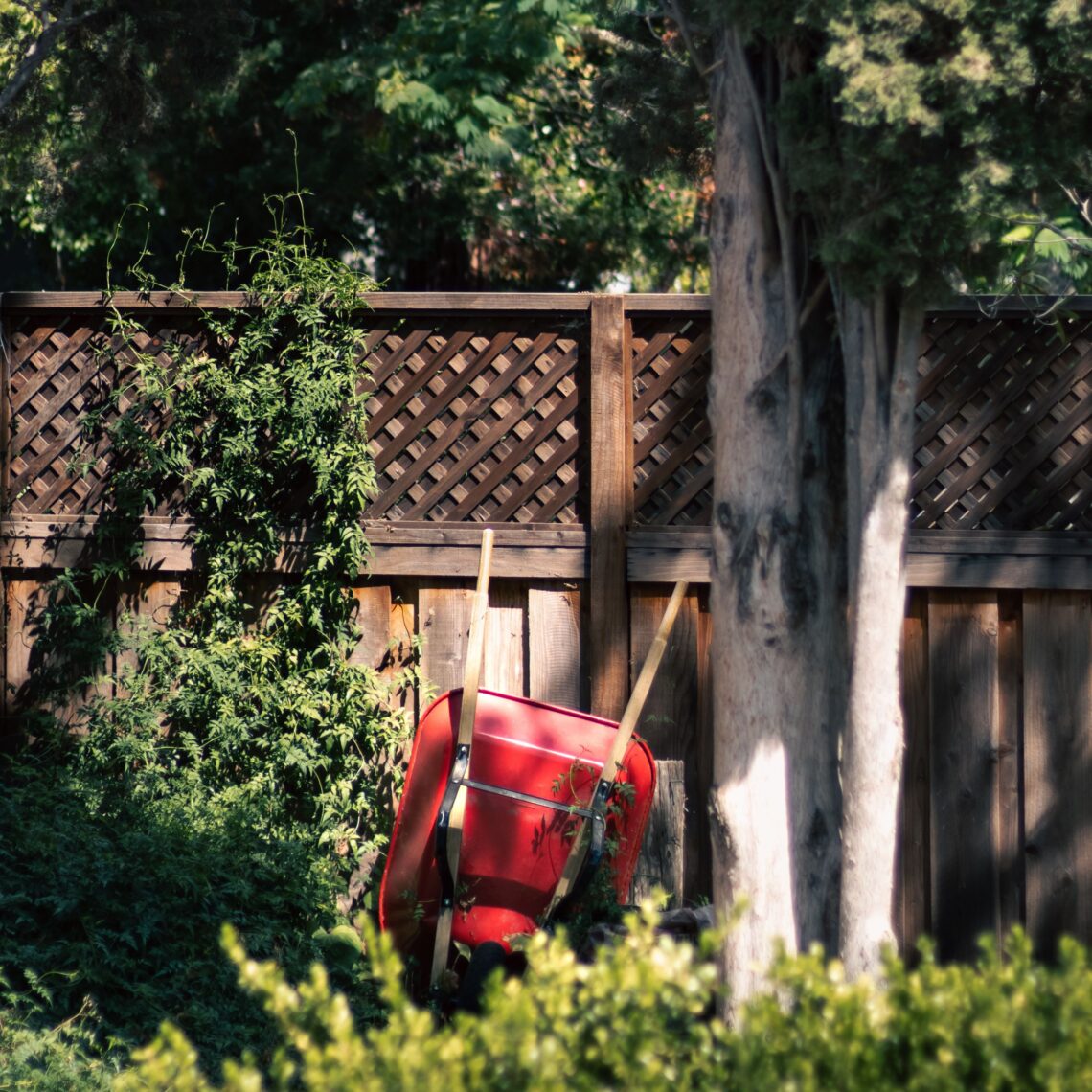
so much depends
upon
a red wheel
barrow
glazed with rain
water
beside the white
chickens.
I’ve been reading Evicted by Matthew Desmond lately, a novel about poverty and housing insecurity in the US. Based on real events, it follows families getting kicked out of their homes, living paycheck to paycheck, and so on. But somehow, they’re still making things work. They’re still finding joy in small things and are still relatively content despite everything they have to go through. It made me think about one of my favorite poems, William Carlos Williams’s ‘The Red Wheelbarrow’. Sixteen words that I’ve carried with me ever since I was first introduced to them at a literary lecture five years ago.
So much depends upon a red wheelbarrow glazed with rainwater beside the white chickens. That’s it. That’s the whole poem.
Williams wrote ‘The Red Wheelbarrow’ in 1923 as part of Spring and All, and there were a bunch of origin stories thrown around for years. One version claimed Williams wrote it while sitting at the bedside of a desperately sick child, looking out the window in despair at a red wheelbarrow that was supposedly the sick girl’s toy. This specific version got repeated in classrooms for decades.
But in 1954, Williams himself clarified everything.[1] The poem actually:
sprang from affection for an old [redacted] named Marshall. He had been a fisherman, and caught porgies off Gloucester. He used to tell me how he had to work in the cold in freezing weather, standing ankle-deep in cracked ice packing down the fish. He said he didn’t feel cold. He never felt cold in his life until just recently. I liked that man, and his son Milton almost as much. In his backyard I saw the red wheelbarrow surrounded by the white chickens. I suppose my affection for the old man somehow got into the writing.
In 2015, the man was identified as Thaddeus Marshall, a 69-year-old African-American street vendor from Rutherford, New Jersey, who lived with his son Milton about nine blocks from Williams’s house. Marshall used the wheelbarrow to take vegetables from his garden to sell to neighbors.
Yes, the poem is about a working man’s daily life. It’s about his tools, his labor, his garden, his chickens, and the wheelbarrow he used to bring vegetables to his neighbors. But when you sit with it for a little while, the poem can also be about dependency. Dependency in the sense of recognizing how much we depend on things we don’t even notice.
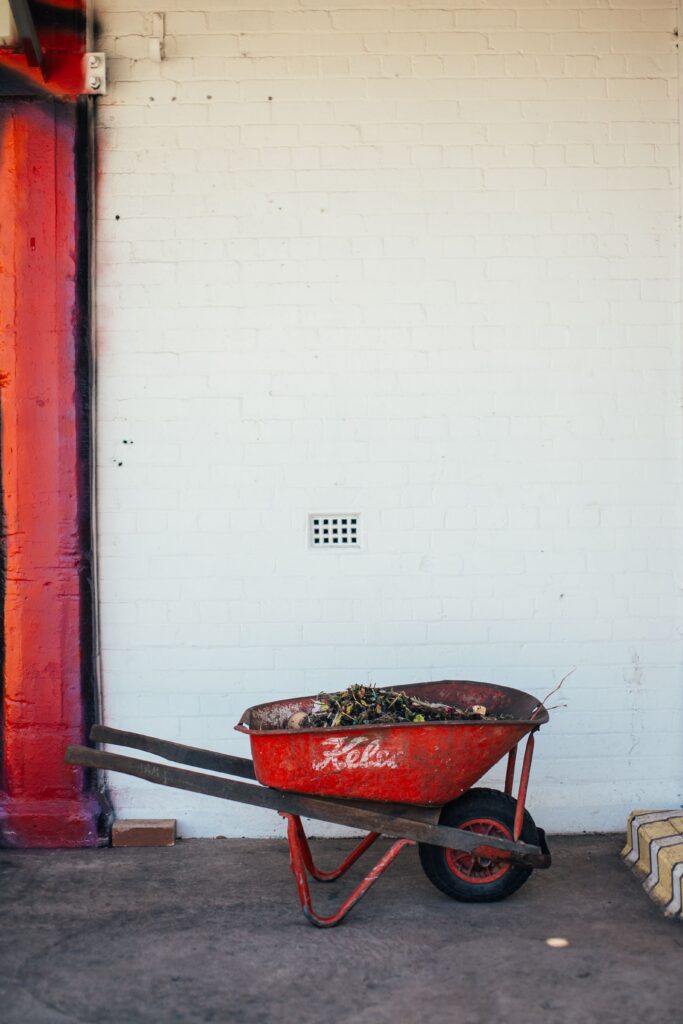
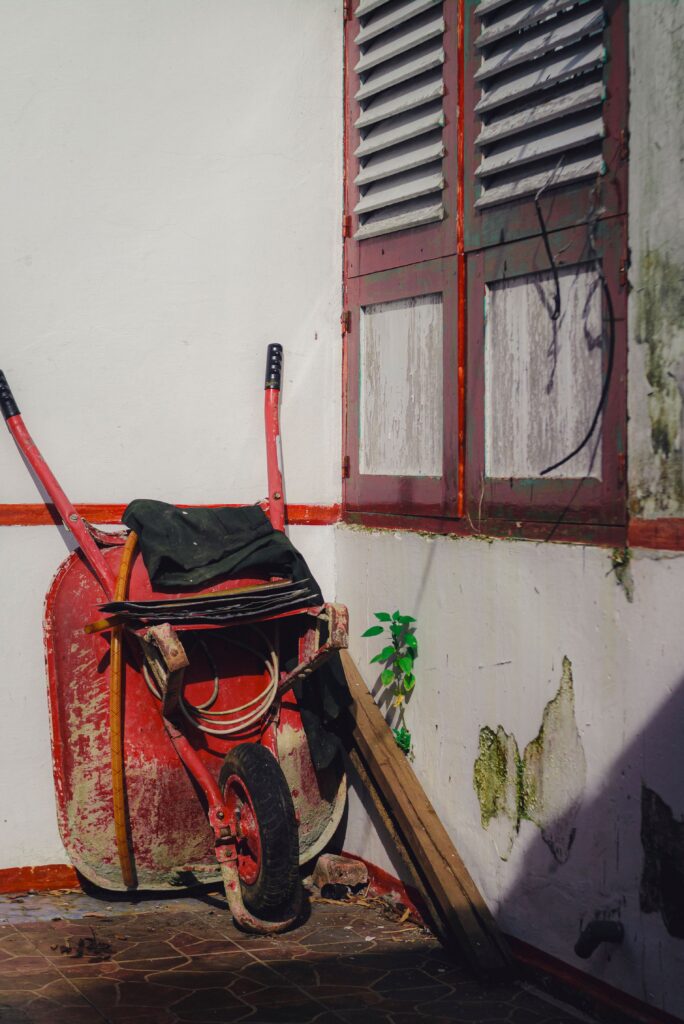
So much depends upon this red wheelbarrow. But Williams never tells us what depends on it or why. He trusts us to understand that yes, everything depends on this. On the tools Marshall uses. On the rain that waters his garden. On the chickens that get them eggs. On the labor that brings food to neighbors. On paying attention to what’s actually in front of you instead of always looking elsewhere for meaning.
Reading the novel, I kept seeing this same truth. So much depends on things that are invisible until they’re gone. A working refrigerator. A landlord who doesn’t arbitrarily evict you. A job that pays enough to cover rent. The social networks that help you when you’re short on cash. People in the book would lose everything because one thing broke, and suddenly the whole structure collapsed.
But they were also surviving on things that seemed impossibly small. A neighbor who watched the kids. A church that gave out food. The determination to keep going even when it made no rational sense to keep going. So much depends on these small acts of care that we don’t appreciate right until, one day, they’re not there anymore.
What I’ve been essentially meaning to say is that simplicity isn’t easy. In fact, making things simple is actually incredibly difficult. Above all, it requires knowing what matters and what doesn’t. It also requires letting go of whatever it is that serves more your ego than yourself.
I depend on my morning oat-milk flat white and the routine of making it. I depend on friends who let me be difficult at times without taking it personally. I depend on my cute little poems that mean the world to me even if they’re tacky or rushed. I depend on the self-acknowledgement that I’ve gone through worse than whatever I am currently so worried about. I depend on journaling and writing things down to see what I actually think instead of what I assume I think. I know that these dependencies won’t make good stories at parties, but so much depends on them still.
I don’t know if I’m explaining this well. I just know that this poem has been with me through different versions of myself, and it means something different now than it did when I didn’t know any better. But too much depends on this now.
REFERENCE
[1] Williams, William Carlos (November 1954). “Seventy Years Deep”. Holiday. Vol. 16, no. 5. Philadelphia: The Curtis Publishing Company. pp. 54–55, 78.

Doğa is a visual artist and writer based in Berlin. For over ten years, she has been writing her way toward big questions and away from easy answers. Her work explores identity, belonging, and the weight of being a person. She is currently working on a memoir surrounding her struggles with mental health, and everything else she has built all the same. She is also a firm believer in doing nothing horizontal when the sun is out.
Substack: substack.com/@dougha
Instagram: @doakpl
Featured photo by Griffin Wooldridge (Pexels)