Why I chose Bahu
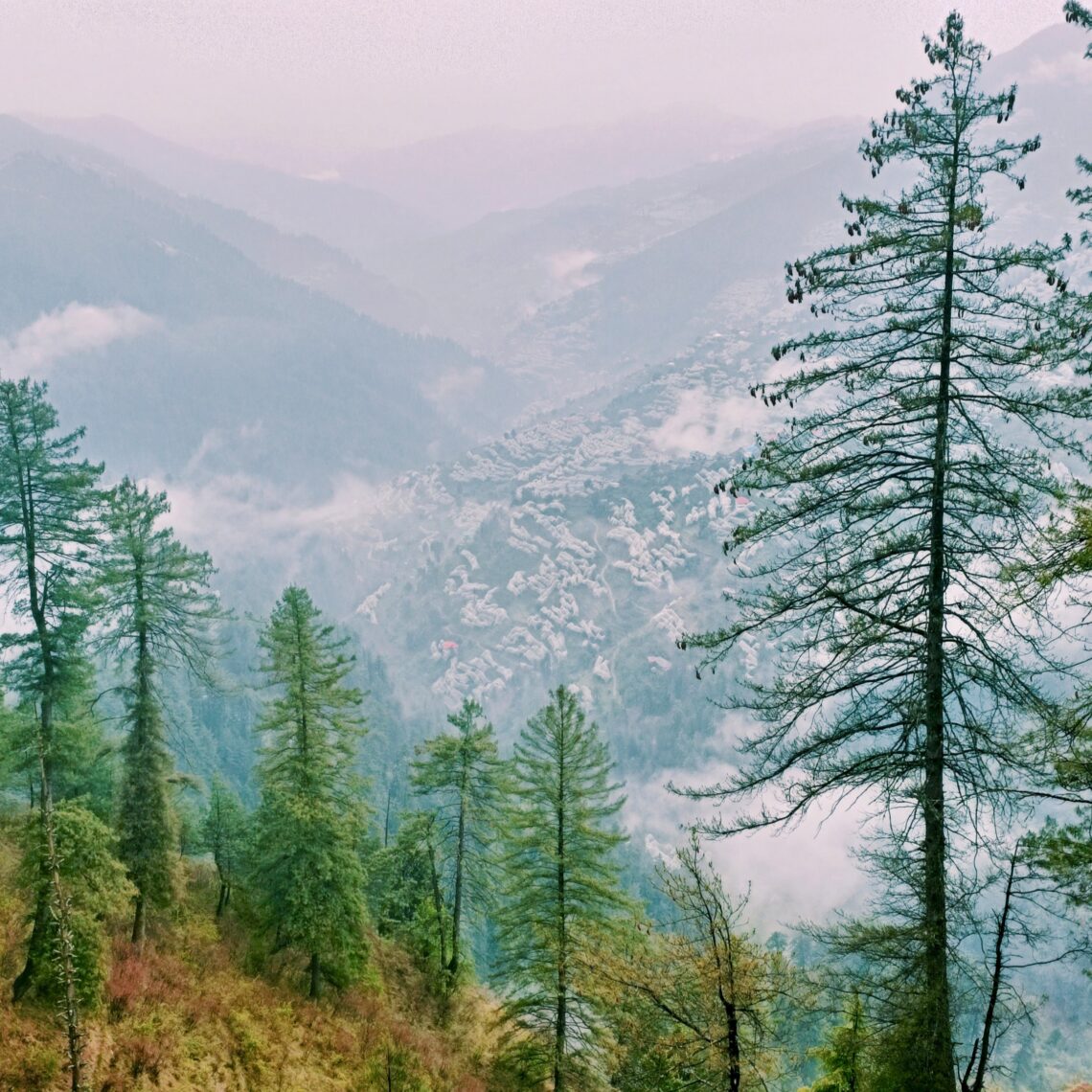
Perched at an altitude of 7,874 feet above sea level, Bahu village lies cocooned amidst the picturesque Banjar valley of Kullu district in Himachal Pradesh. It is a sleepy hamlet where the snow-crested Tirthan peaks whisper ancient secrets to the vast vistas of wilderness wrapping them. As a Bangalore-based middle-aged solo traveller, I felt inexplicably drawn to this less frequented destination with its promise of gurgling streams, grandstand view of the magnificent Himalayas, exhilarating road trips, and complete tranquility that my city-weary soul craved.
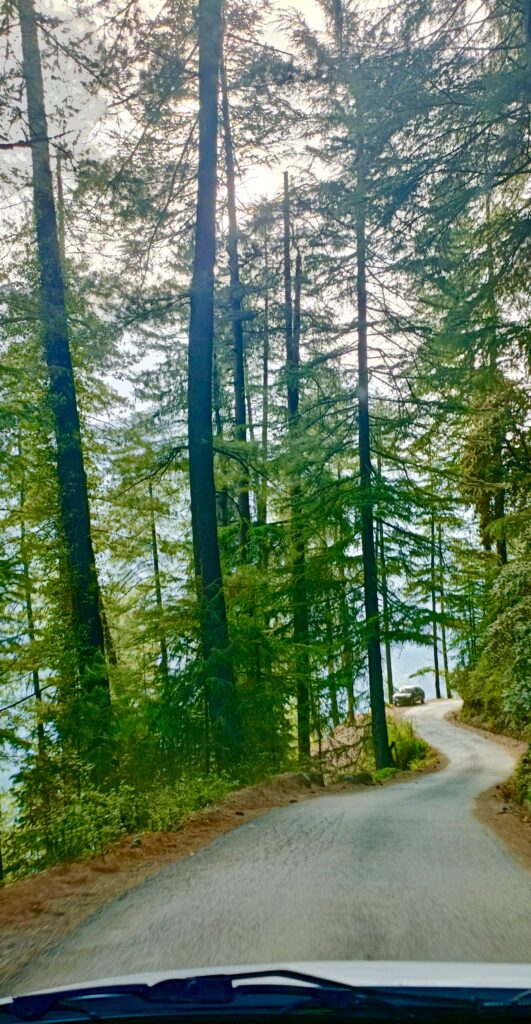
I flew down to Chandigarh from Bangalore by an evening flight. Next morning, it was a seven-hour cab drive to Banjar Valley through winding hill roads. The clusters of purple jacaranda and flaming rhododendrons vied with the verdant conifers to adorn the sides of the uphill roads.As we approached Bahu, my driver bhaiya deftly navigated multiple hairpin bends with deep gorges on one side, and stony overhead ledges air-kissing our car roof, on the other!
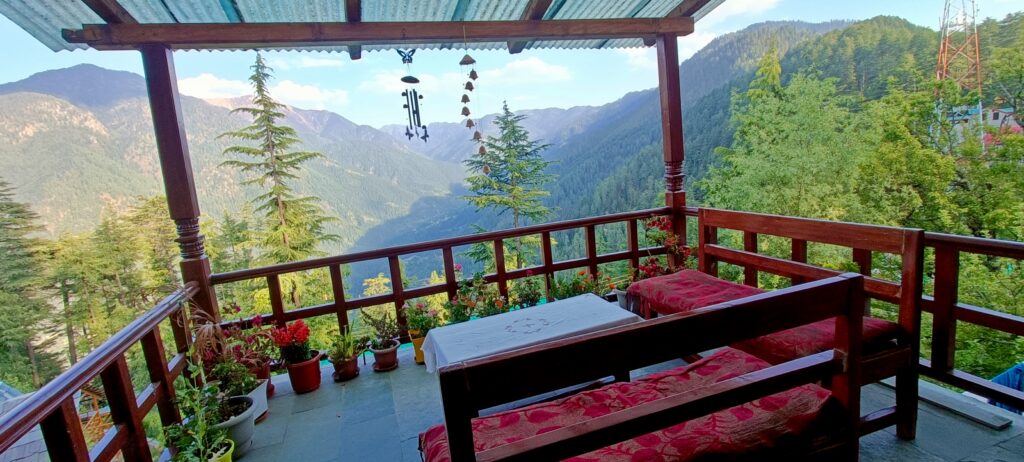
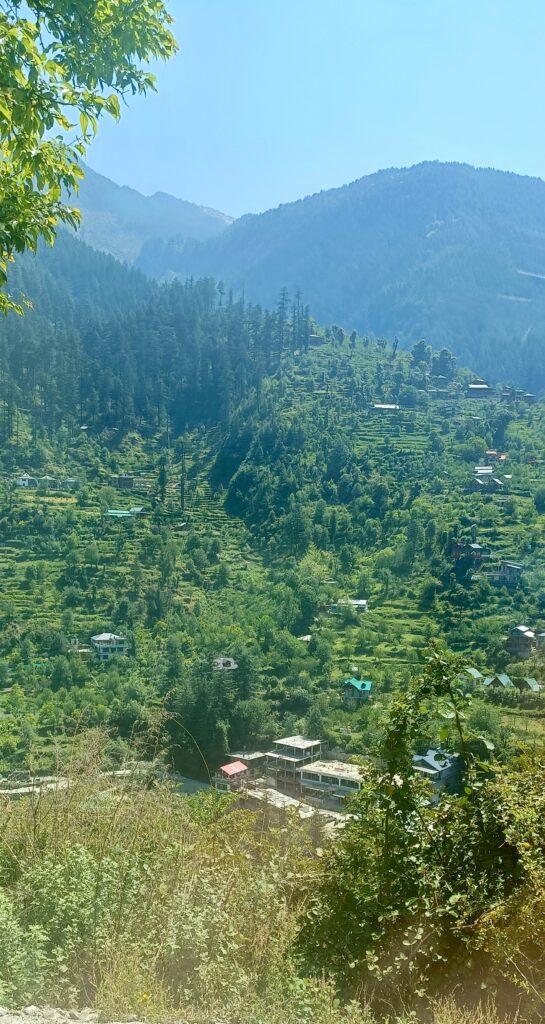
Stay options in Bahu are limited to homestays and lodges. Regular tourists prefer booking commercial resorts in nearby Jibhi or riverside properties at Tirthan Valley. And that is probably the reason Bahu has managed to retain its virginal beauty, calm and solitude that attract true-blue orophiles like me.I stayed for ten days at a heritage homestay that had garnered rave reviews from its previous guests, mainly Israeli visitors.Like most of the dwellings there, it was built in the traditional kath-kunistyle of architecture which comprises alternate layers of wood and stone, instead of brick and mortar. The property offered me all modern amenities and yet, retained its pahaadi vibes and values. Breakfast was laid out in the garden that had a riot of colours bursting out of the flowerbeds. Dinner was savoured by the guests and hosts together, inside the cosy dining room adjoining the kitchen. Almost the entire fresh produce was grown within the property by the owners themselves, a bona fide Bahu couple and their adult son.
Baarah Jachh – a blend of faith and fraternity
The local residents, I observed, honour and uphold every Himachali tradition — their style of living, architecture, cuisine, dressing, social norms and religious rituals. The temple forms the epicentre of the village. Single-storey colourful dwellings housing simple hill folks, with pet dogs and goats lazing outside, complete the picture-perfect visual.
One morning, I was invited by the property owner to attend a religious event in the village. Named Baarah Jachh, it marked the visit of the deota, the presiding deity of the highly venerated Shringa Rishi temple nearby, to Bahu. Along with the hostess, I set off along the circuitous route through the woods to reach the venue. The walk was as exhilarating as it was laborious for the city slicker in me. The forest paths were relentlessly steep, uneven, and dotted with rough-hewn stone steps and trails which often left me gasping for breath!
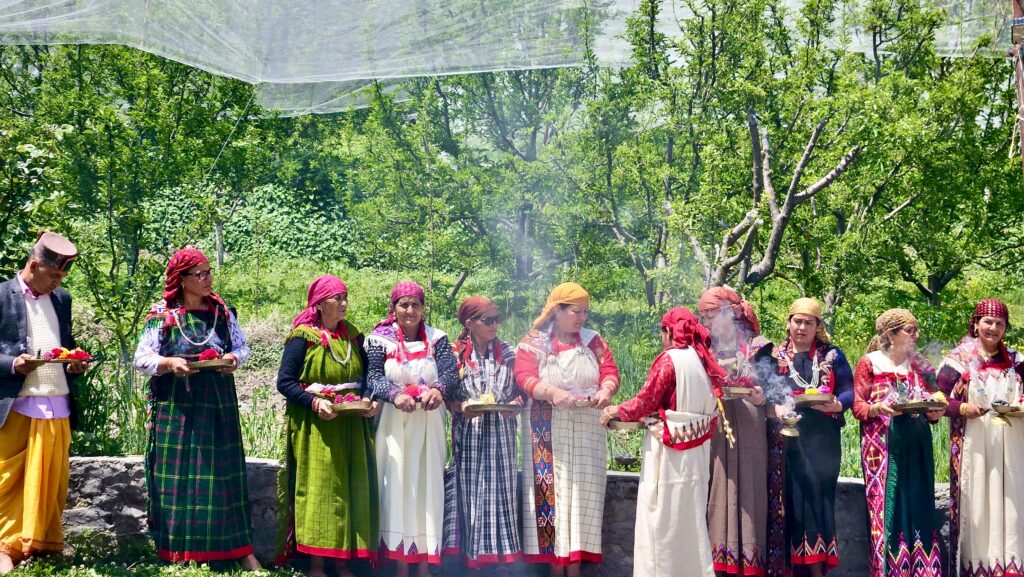
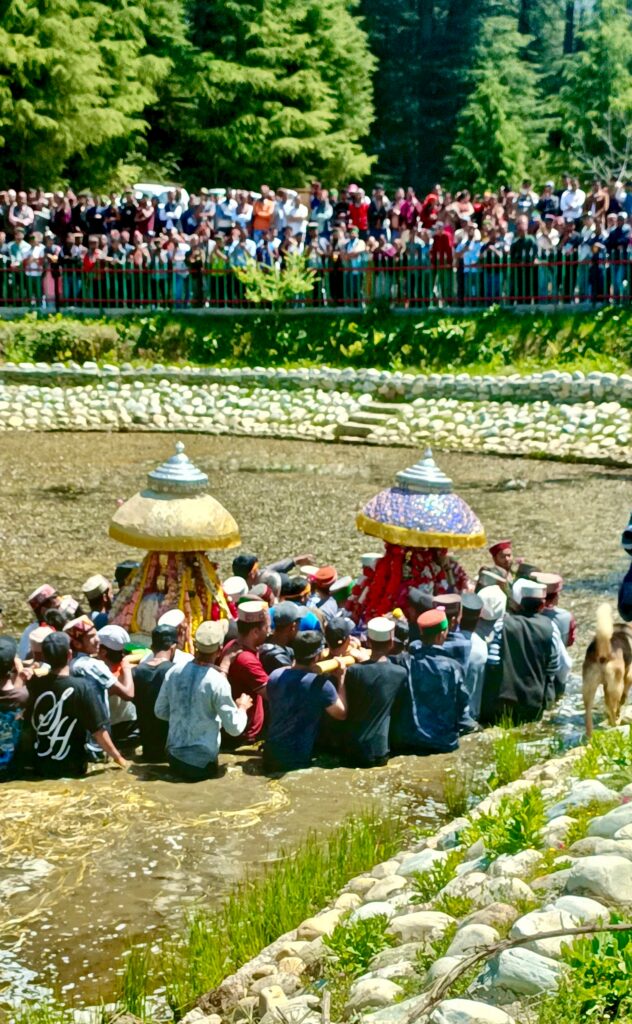
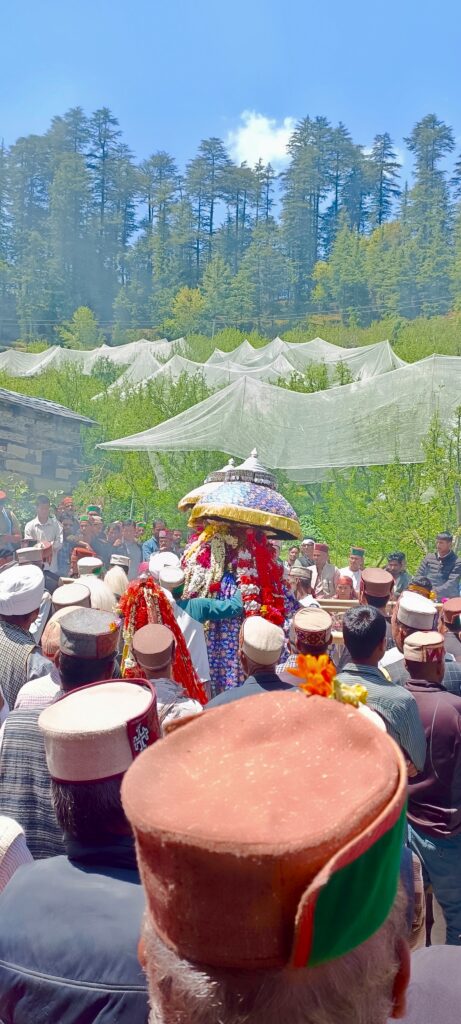
The entire village had turned up at the central quadrangle for this much awaited occasion. Two heavy, bejewelled idols were balanced on parallel bamboo poles. Batches of men sporting colourful Himachali attire and cap, took turns to carry the idols on their shoulders to the reverberating sound of drums and trumpets. Dressed in their traditional finery and headgear, local women welcomed their deotawith dhoop(incense) and fresh flowers.
The venue was teeming with people, clapping and swaying to the drumbeats and vigorous chants of the priest. Their collective energy infused the setting with an effervescent aura which blurred the lines between me and the locals. All that mattered were minds and moments steeped in obeisance. Fistfuls of whole walnut were tossed in the air and grabbed by the devout as blessings. The priest distributed mustard grains to the menfolk which they tucked respectfully within the folds of their cap.
Thereafter, with great fanfare the deota was taken to Bahu Lake – a large rectangular water body overgrown with duckweed, flanked by dense fragrant groves of pine, fir and deodar. Balancing the idols carefully on their bodies, young and old men waded through the lake thrice, akin to a parikrama, occasionally dunking the idols lightly into the waters. The deota was then hoisted up the slippery steps of the lake with great care, and the procession proceeded to place the gods back in the temple.
What struck me here was the unique bond the villagers shared with their gods – one of familial proximity rather than deferential distance. I noticed a similar camaraderie among the villagers, too. In fact, their innate affability extended to visitors as well – a number of ladies invited me home for lunch and tea. Though I couldn’t oblige due to paucity of time, their geniality warmed my heart.
Pause and Ponder
My solo tripping never carries an action-packed, adrenaline-heavy itinerary. On the contrary, it aims to be an immersive, introspective experience where I alternate hectic sight-seeing sprees with lazy mornings and relaxed afternoons, deep-diving into that delightful realm of wool-gathering!
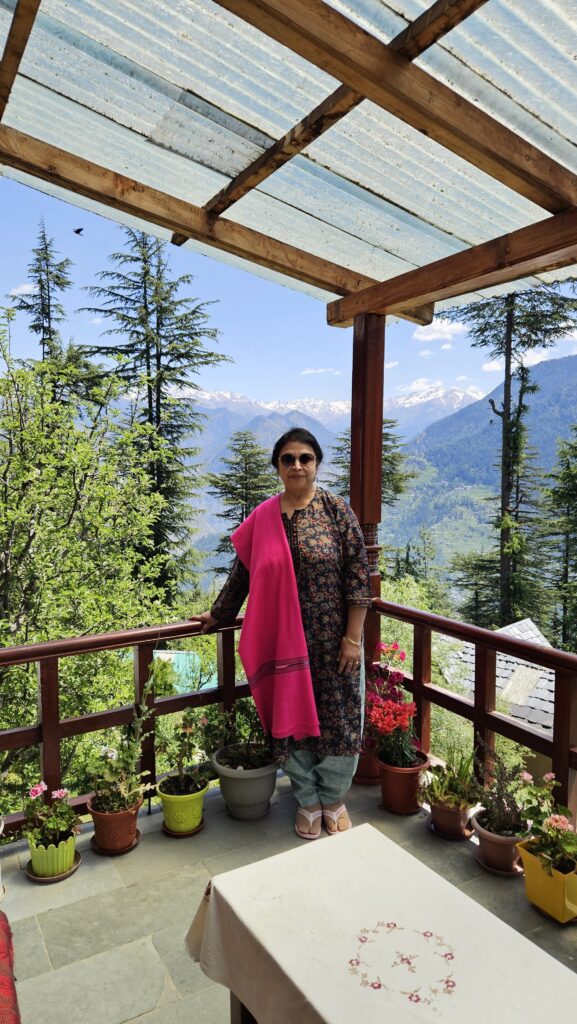
My days at Bahu began with slow, pine-scented mornings and birdsong in my spacious balcony. The crisp morning air… the distant peaks glowing up in the first sunrays while playing peek-a-boo with gossamer shrouds of mist… the green carpeted hill face … the tintinnabulation of the nearby temple bells… the gentle warbling and whistling of colourful avians… the “Wah-Taj” moment of sipping on steaming ginger tea — this was the closest I could get to a dream mountain getaway!
Other touristy attractions
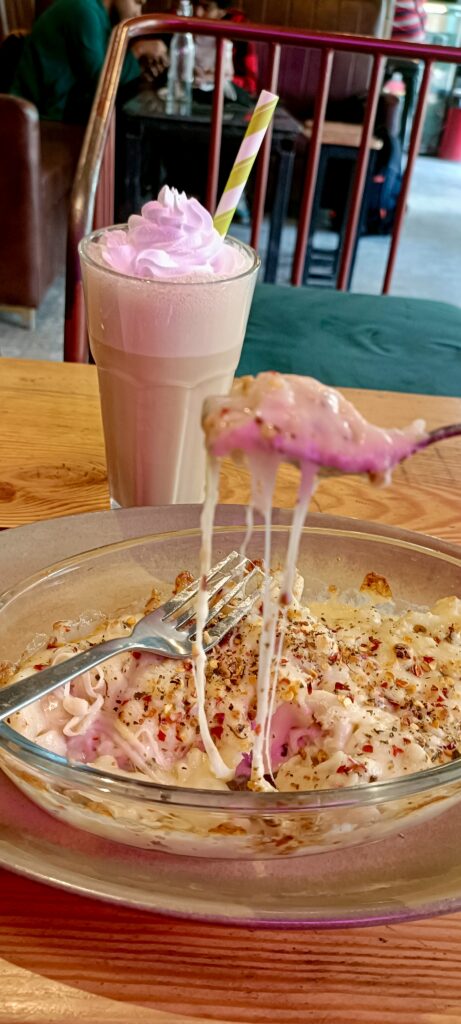
Barely seven kilometres from Bahu lies another Himachali gem, Jibhi, also known as the Mini Thailand of India. Cascading waterfalls, iridescent sparkling streams, mountains veiled in mists, and rugged forested terrain make Jibhi a hot favourite among both adventure seekers and experiential travellers. A number of flamboyant cafes whipping up tastefully curated Western and fusion foods makes for a gastronomic extravaganza! The twinkling city lights of Jibhi against the star-spangled night sky, visible from my balcony at Bahu, remains a cherished memory.
A short drive from Jibhi took me to the top of Jalori Pass at 3,120 metres. This windswept, high-altitude pass connects Kullu with Shimla. A panoramic view of the snow-capped peaks and sweeping green meadows added a dreamy touch to the entire experience. Jalori Pass also marks the gateway to the 5-km popular trek to Serolsar Lake.
On my way back, I stopped at the serene Shoja village for lunch. Hidden amidst dense pine forests, Shoja beckoned me like a half-forgotten dream, with its stone cottages, quaint cafes, and a crisp mountain breeze rustling through its evergreen canopy. I dined at Firgun – an Insta-famous café – with its spectacular views, bohemian vibes, and delightful culinary offerings that attract hordes of backpackers and young tourists.
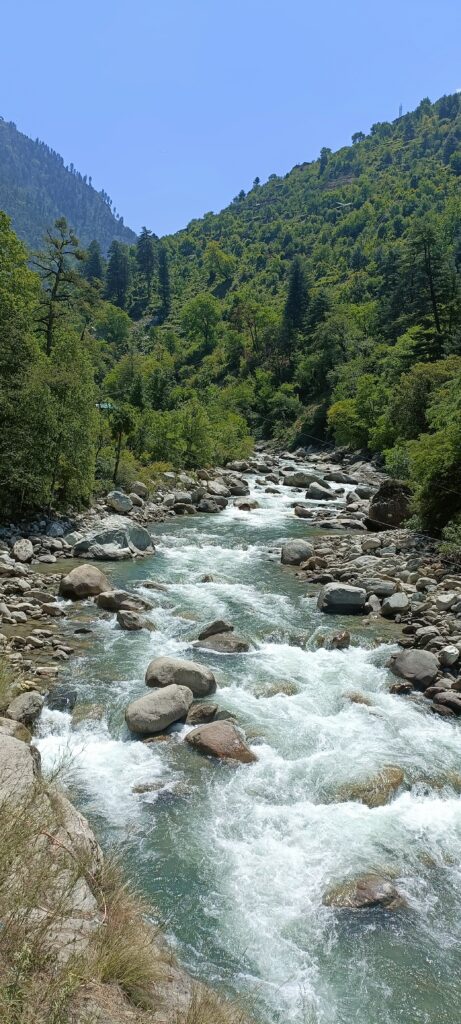
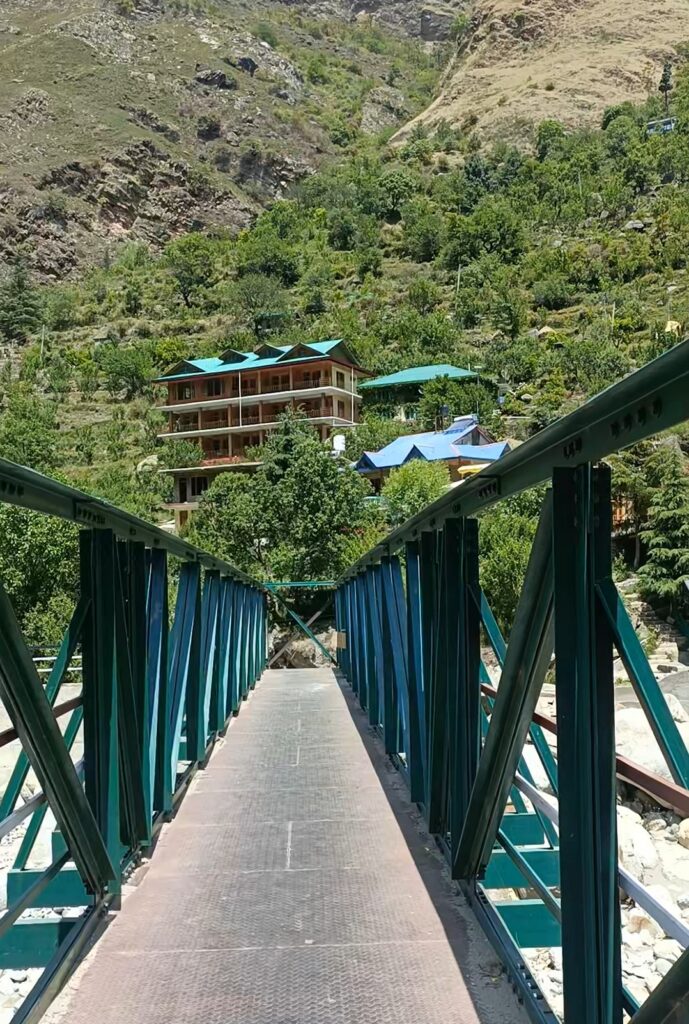
Another charming destination in my itinerary was Gushaini, a small village in Tirthan Valley within the Banjar region. An orophile’s paradise, its beauty left me speechless! The crystal-clear Tirthan river with its pebbled bed, tumbling joyfully over moss-slicken rocks and smooth boulders, weaving its way beneath iron bridges and through alpine groves, looked straight out of a National Geographic documentary. The valley boasts of a number of staying options suiting various budgets. It also houses the Great Himalayan National Park, recognised as a UNESCO World Heritage site for its biodiversity and ecological conservation. Trout fishing, hiking, zip lining and river crossingare activities popular among tourists. If serenity had a map marker, this would be it!
Au Revoir, Bahu
I had drawn up a road map of all these places well in advance since I knew I would be the lone passenger in my cab and hence, needed to be aware of the routes. The initial sense of shock and curiosity that I, as a solo woman traveller evoked, soon gave way to affability, warmth and respect, be it among cab drivers, restaurateurs or even guests at the property.
After soaking in Bahu’s fascinating alchemy of spirituality and serenity, of the conventional with the contemporary, I returned home with a happy load of photographs and a cache of indelible memories.
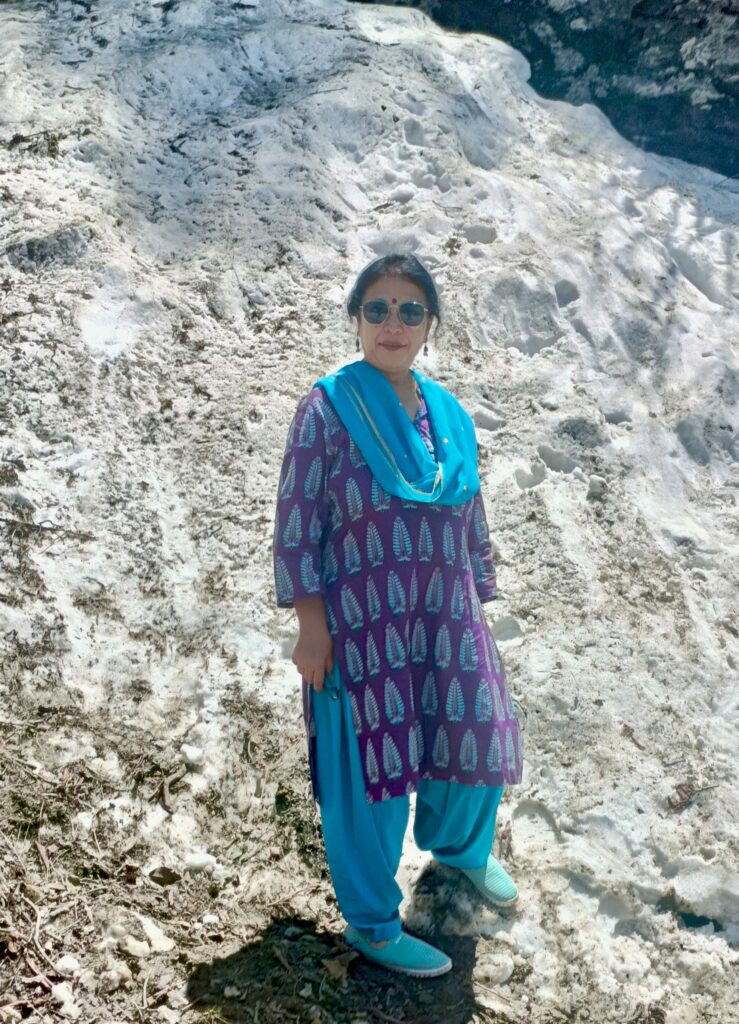
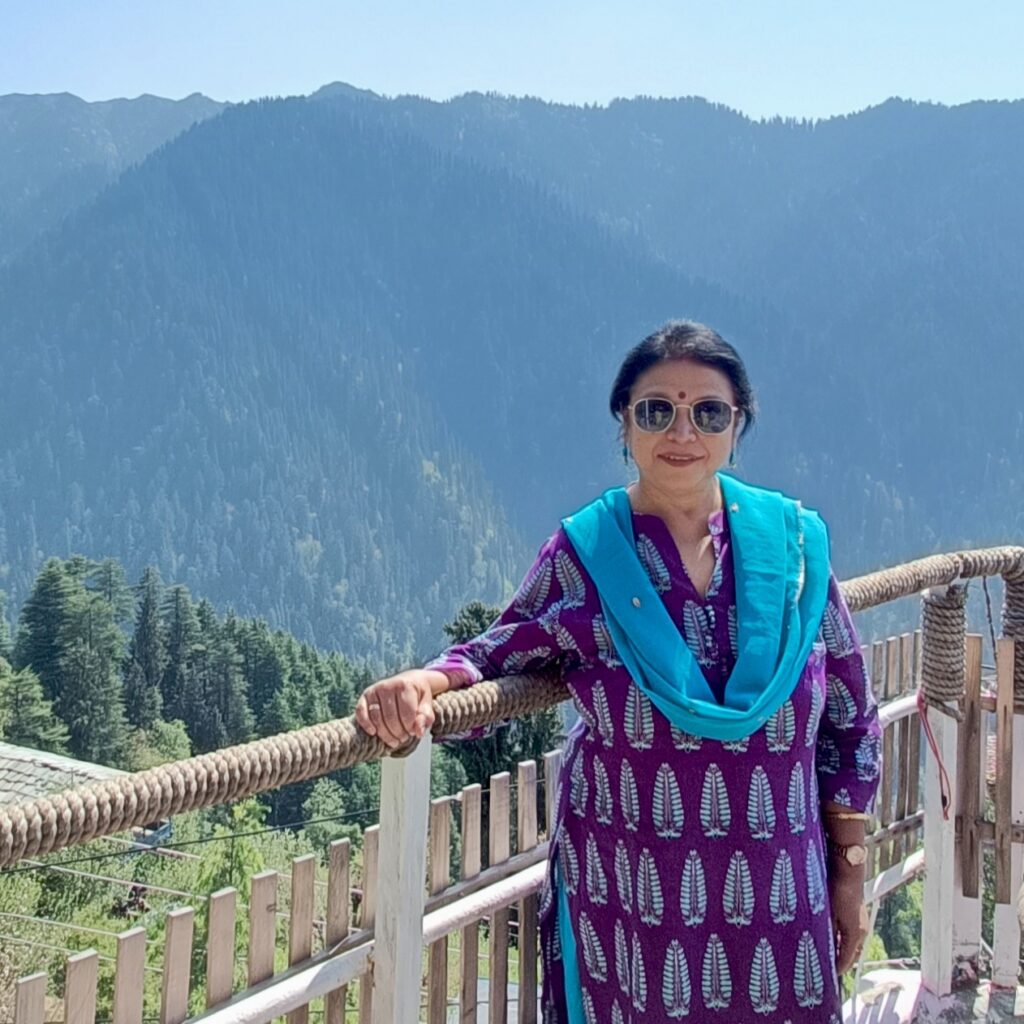
Urmi is a multiple award-winning freelance writer-reviewer-translator living in Bangalore, India. A former senior school educator, she holds a Master’s degree in English Literature and Language. Her non-fiction has been published by The Hindu, The Times of India, Outlook Traveller, and Deccan Herald, among others. Her personal essays, short fiction and poetry have found space in over sixty domestic and international literary venues across India, the USA, UK, Africa, Singapore and Canada. Her fiction and poetry have been awarded by Rupa Publications, Women’s Web, S7, Bharat Award for Literature, Wordweavers, and the University of Hawaii. A passionate traveller and tea snob, Urmi is a lover of psithurism, petrichor, and everything in between. Her other interests include music, photography, and spending time with her community dogs.
Website: http://www.wordsnverses.com/
Instagram: @chakravortyurmi
Facebook: Urmi Chakravorty