Things you would not expect to see in…
Copenhagen
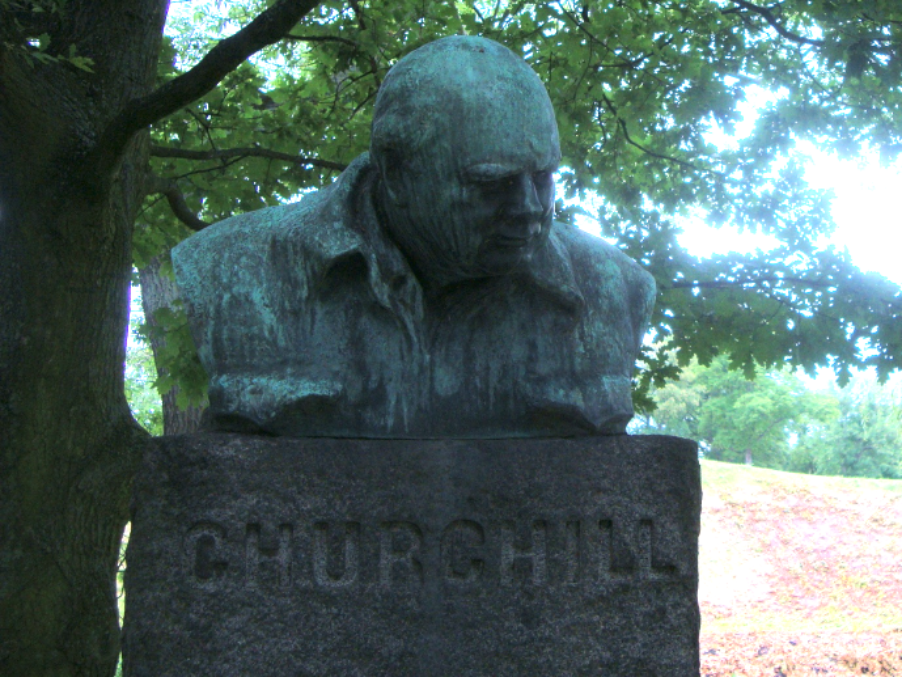
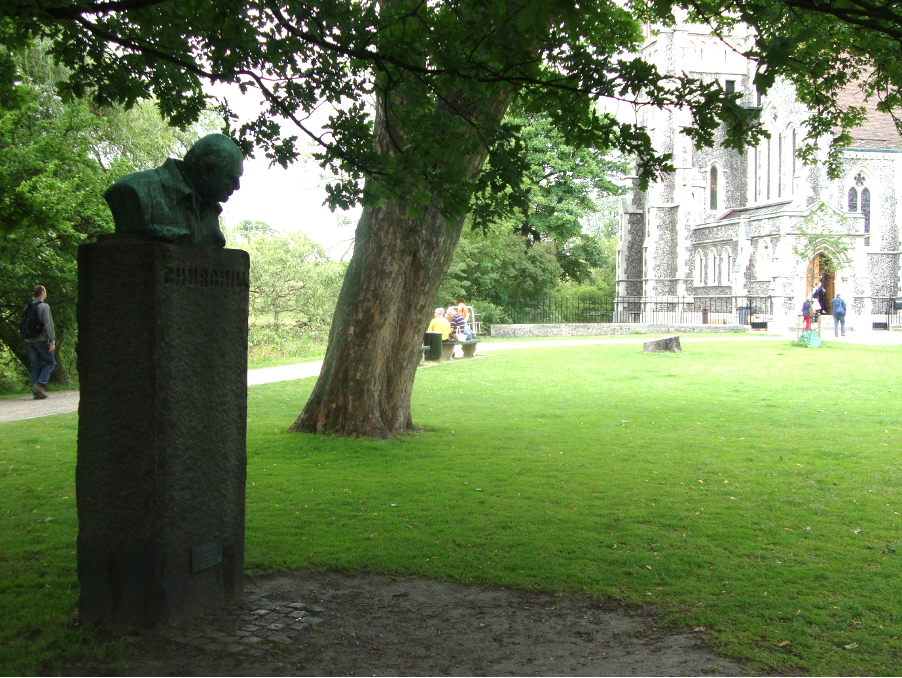
A major attraction of travelling is the ever-present element of surprise. Rarely a day goes by without some form of unexpected discovery, no matter how small. In the Danish capital, one will find the Churchill Park (Churchillparken), dedicated to Sir Winston Churchill, British Prime Minister during World War II. The dedication took place in 1965, and commemorates the part Britain played in the liberation of Denmark.
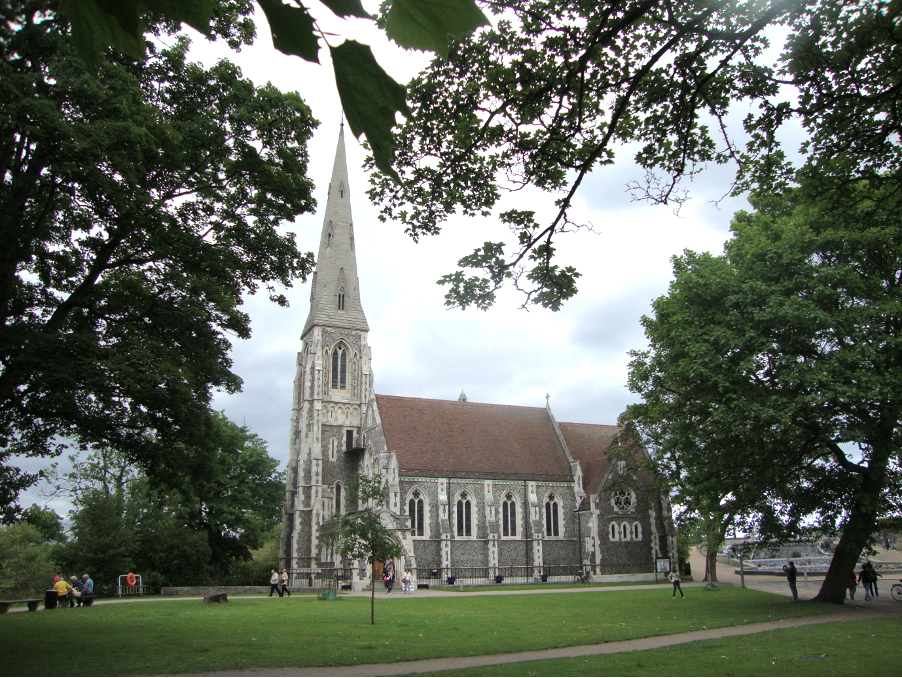
Close by is another English reference, St. Alban’s Anglican Church (or simply the English Church). Building began in 1885, and the church was consecrated in 1887 to serve the expanding English congregation in Copenhagen. It is part of the grandly named Diocese of Europe. Queen Elizabeth II was the long-time patron, a role now served by the Duchess of Gloucester.
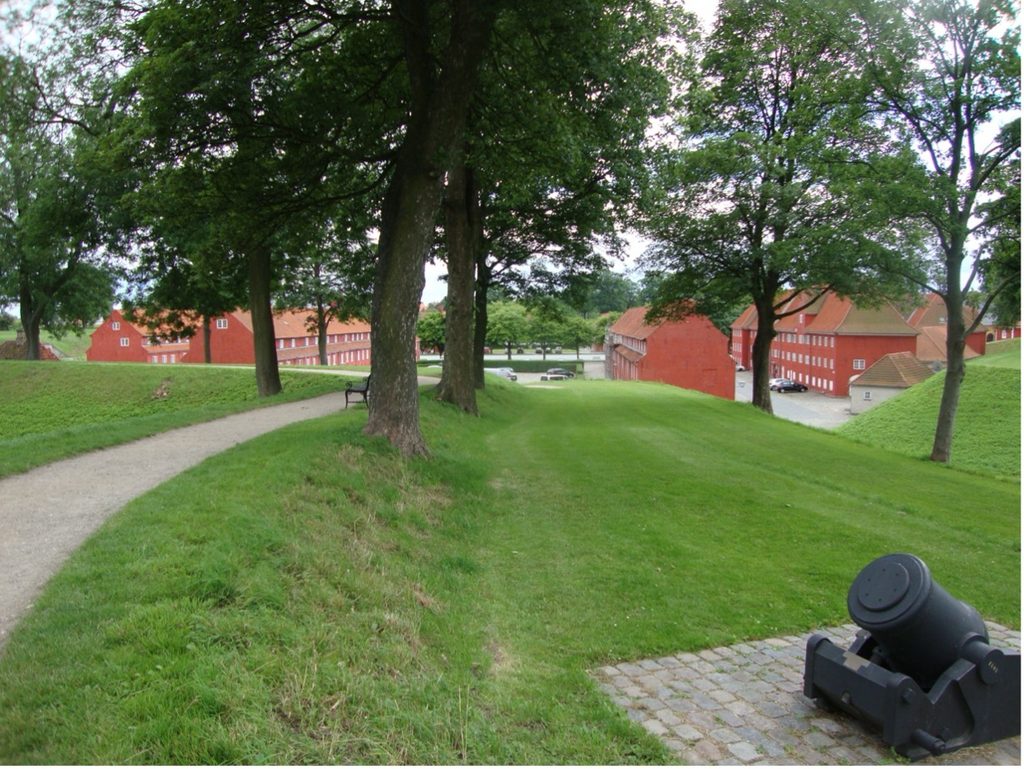
The Churchill Park is close to Citadellet Frederikshavn(The Citadel Frederik’s Harbor), better known simply as the Kastellet (Citadel), a pentagonal structure dating back to 1626, and the best preserved part of the city’s ring of defenses. In contrast to the Churchill connections, Kastellet was built as a defense against the British.
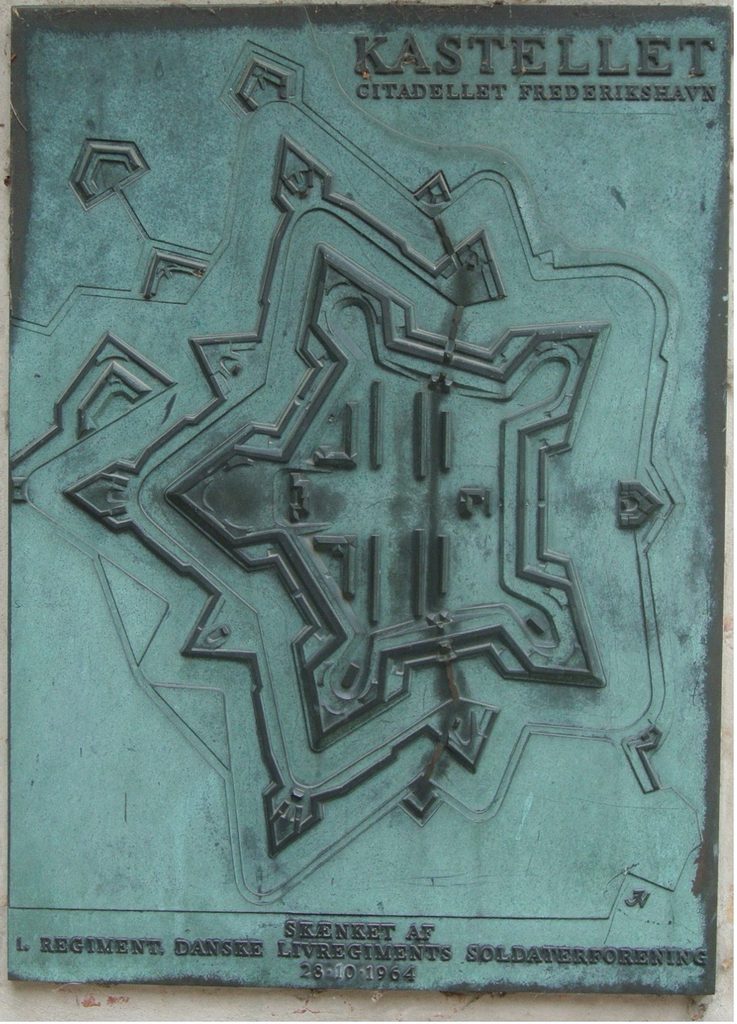
The fortress is still a military installation, with limited public access. A comprehensive list of permitted and unpermitted activities is found at the entrance. Fortunately, photography was permitted. Not permitted, however, were such activities as driving, walking on the grass, holding a meeting, using the canteen, fishing in the moat, lighting a fire (possibly to grill any illegally caught fish), littering, and behaving offensively.
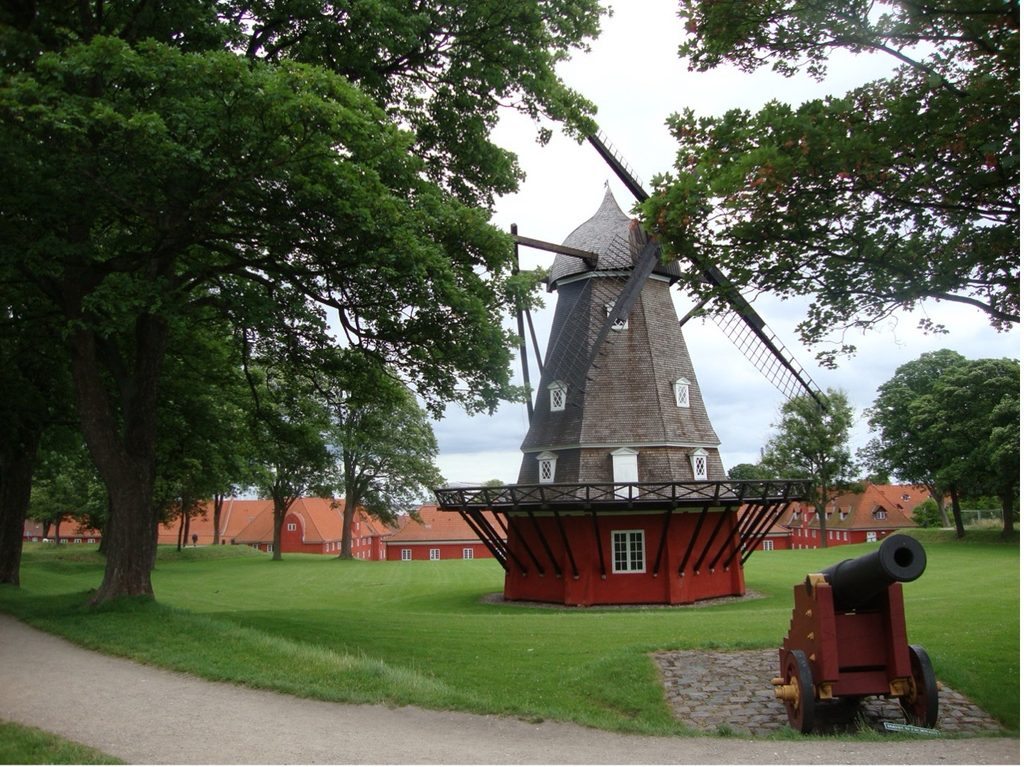
In the southwestern corner of Kastellet stands the next surprise, a windmill, the last of sixteen originals still surviving. Built in 1847, it replaced an earlier mill which was destroyed in a storm. The current mill is of Dutch design. The mills were built in the fortresses to aid the food supply during times of siege.
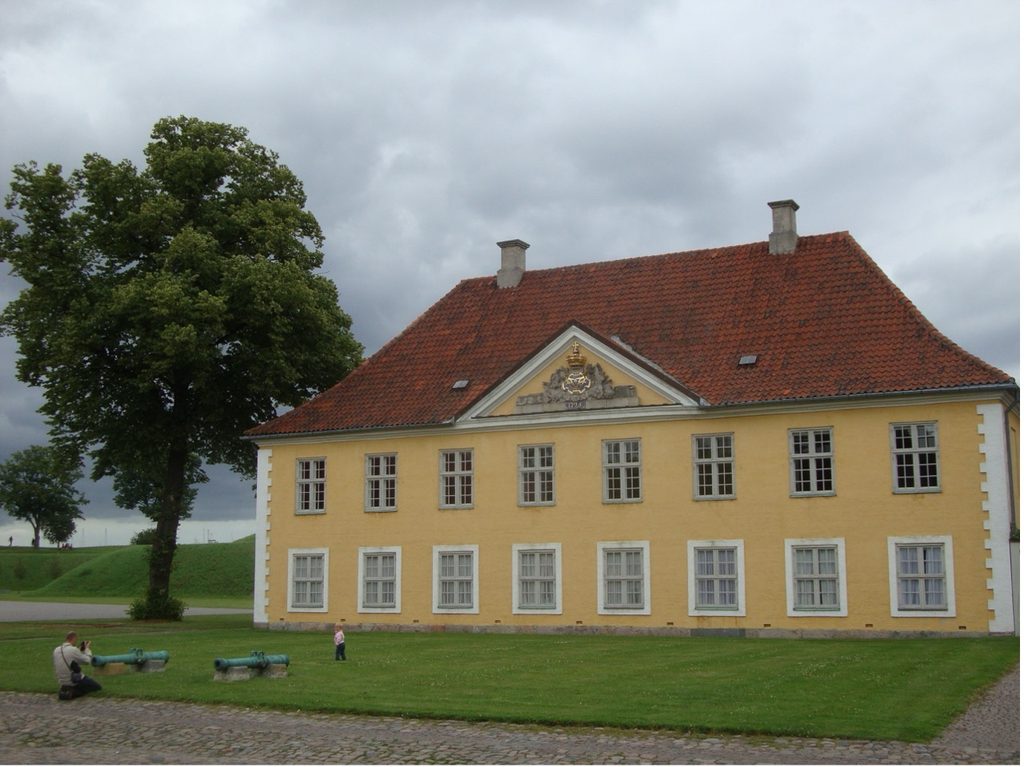
Among the other attractions also to be found in Kastellet are Kommandantboligen (The Commander’s House).
And Stokkene (The Rows), six two-storey terraces, originally built as barracks for the soldiers based at Kastellet.
The next surprise thrown up by Copenhagen was The Thinker by Auguste Rodin.
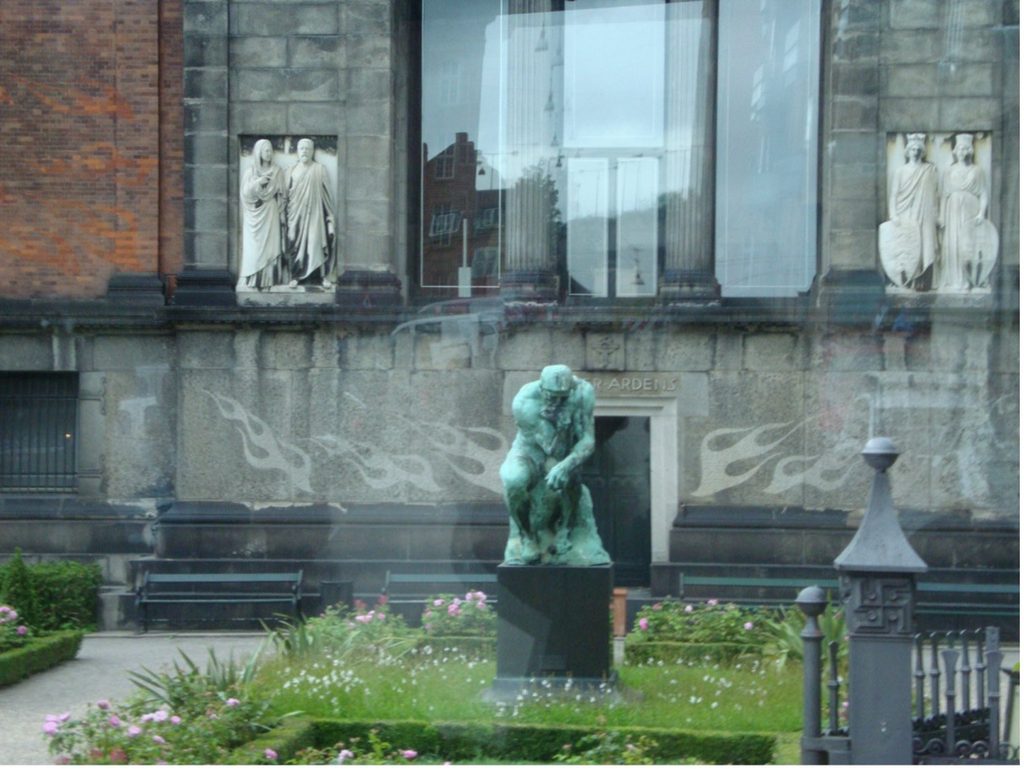
Obviously not the original, this is one of twenty-seven other full-sized bronze castings of the figure, each approximately 185 centimetres tall (though not all were made under Rodin’s supervision). This version of the statue is permanently housed in the sculpture garden at the rear of Ny Carlsberg Glyptotek, and is there thanks to the close ties between Rodin and the museum’s founder, Carl Jacobson, son of the founder of Carlsberg Breweries.
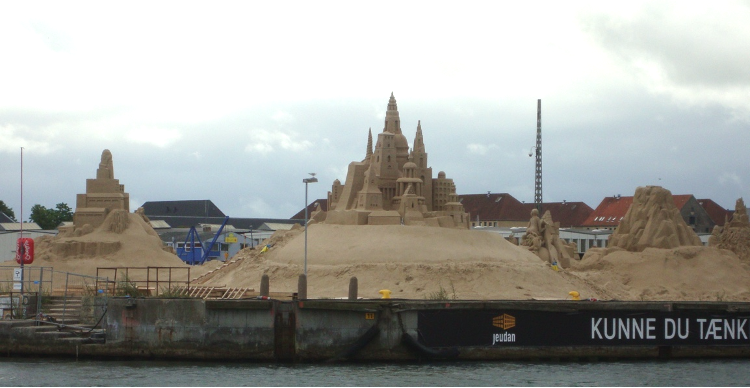
The final surprise served up by Copenhagen was Sandcastles, in particular the results of a sand-sculpting festival held each summer. (Note: this festival has since been moved to Hundested, about 55 km north of Copenhagen.)
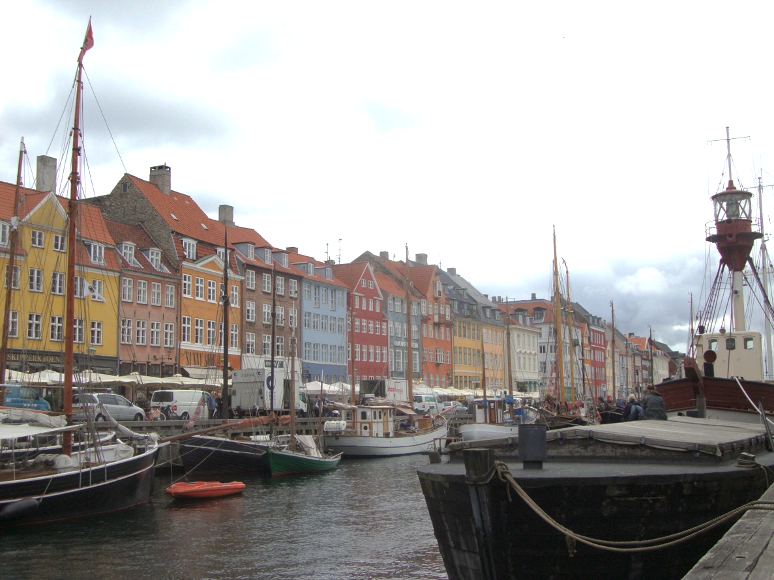
Of course, there are plenty of sights one would expect to see in Copenhagen. For example, Nyhavn, the 17th-century waterfront lined with colorful townhouses and boats.
Amalienborg Palace, the royal family’s winter home, comprising four identical palaces.
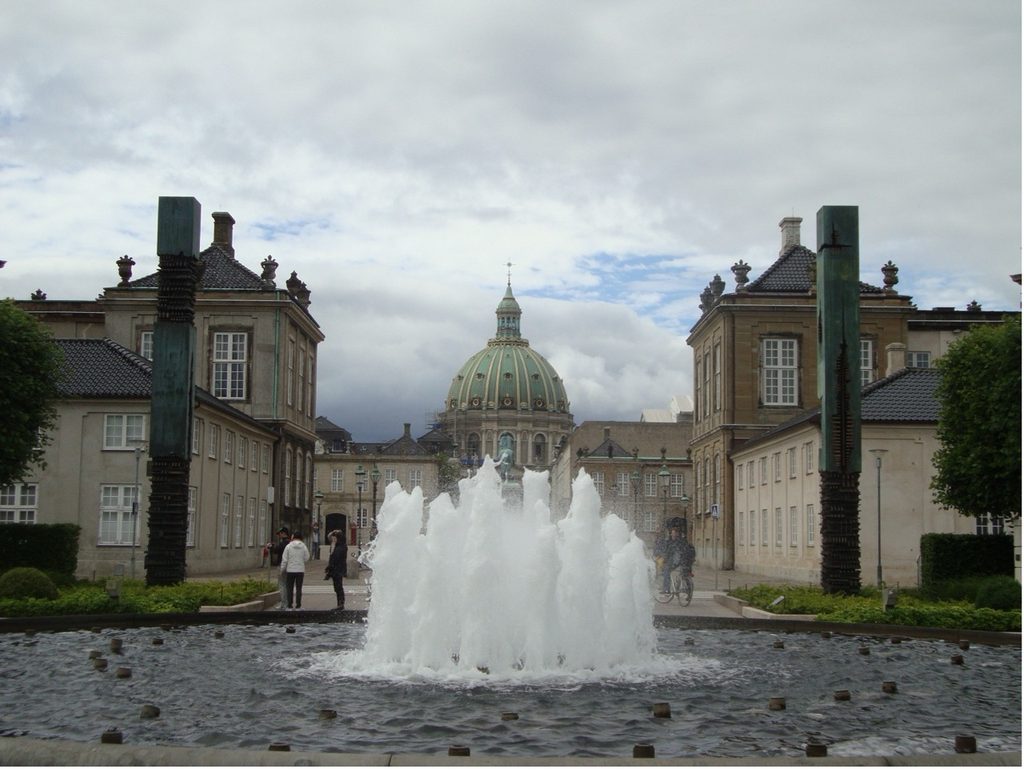
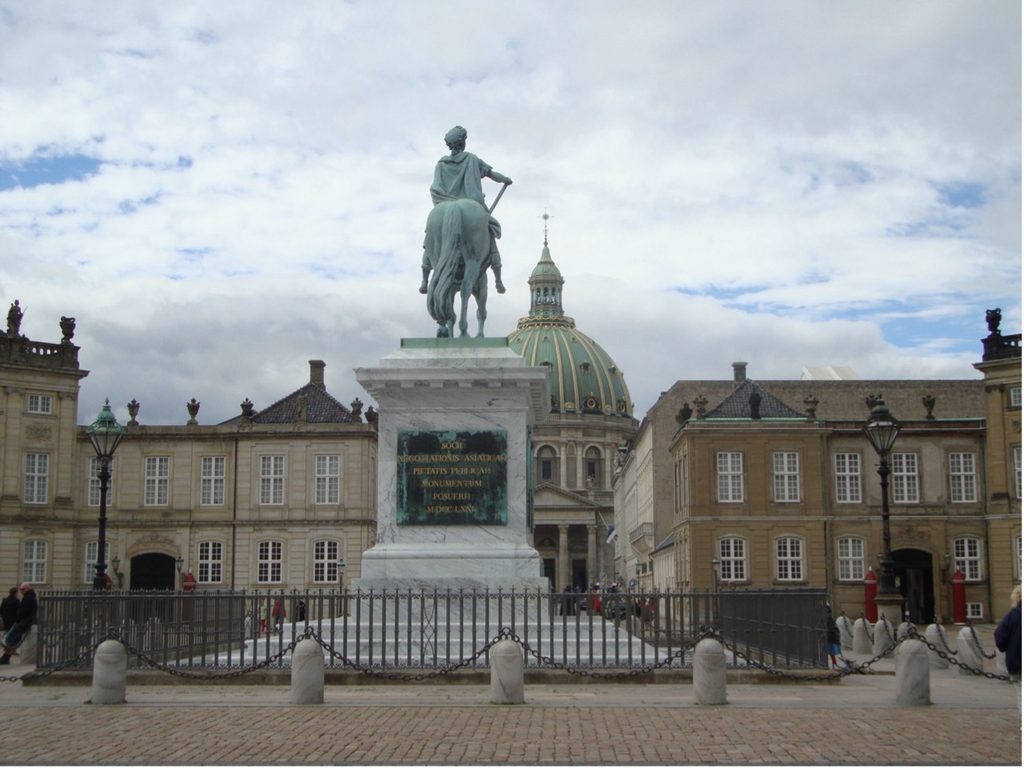
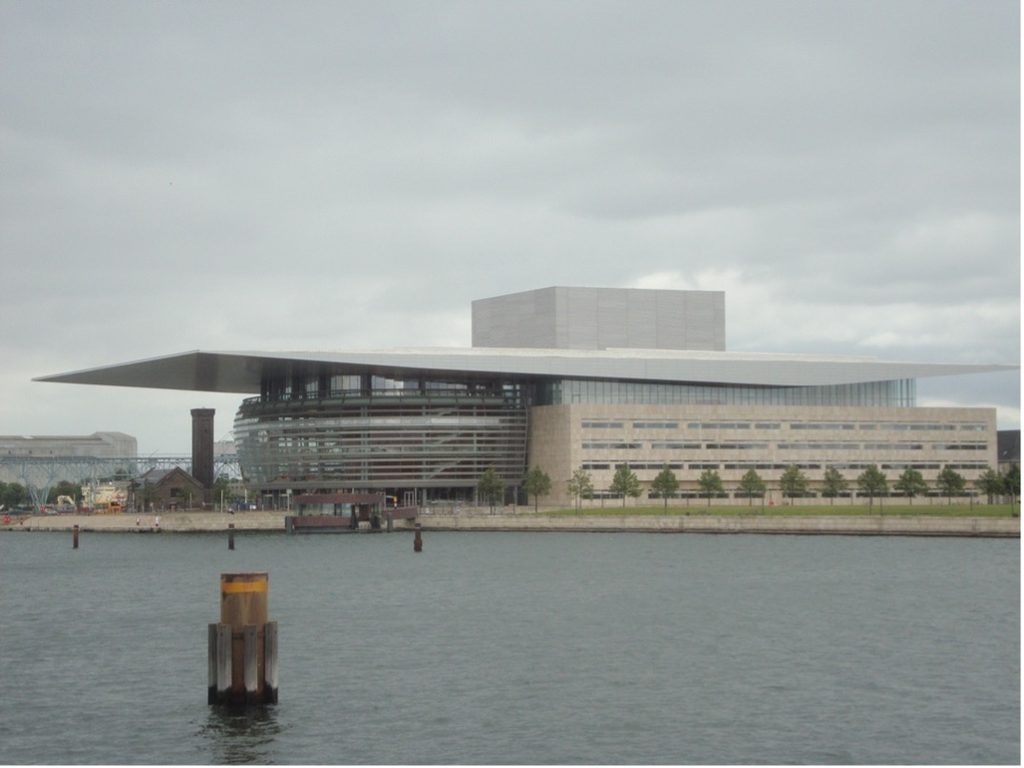
Across the waters, opposite the palace, is Det Kongelige Teater – Operaen (The Copenhagen Opera House), located on the island of Holmen, on the shore of the inner harbour. This highly modern structure was completed in 2004 at a cost of over one-third of a billion dollars. It can hold over 1700 people, with each seat individually angled to provide the best experience. The orchestra pit can hold up to 110 musicians (one of the largest in the world).
And, of course, no trip to Copenhagen would be complete without viewing The Little Mermaid, a small bronze statue by Edvard Eriksen, and inspired by a Hans Christian Andersen fairy tale.
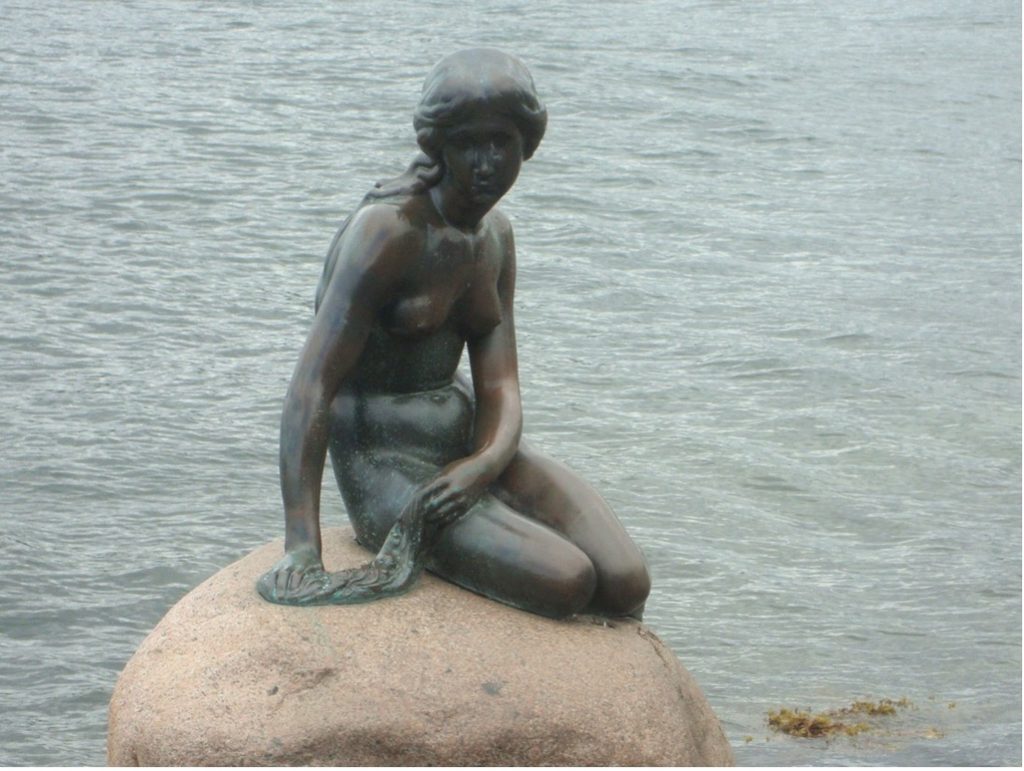
Although the reality, once one arrives, is not as idyllic as is usually portrayed.
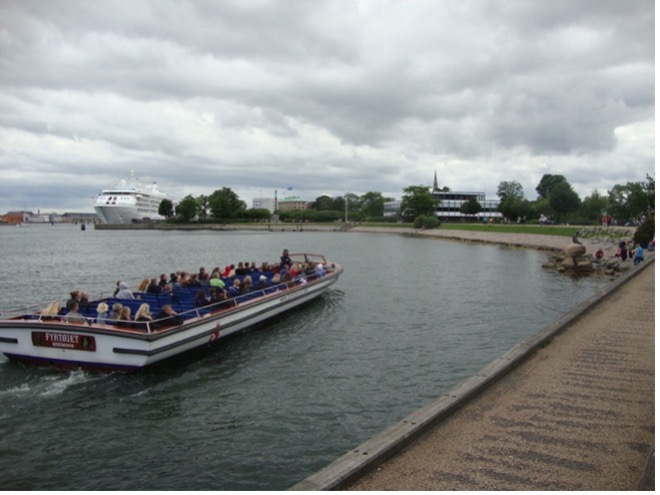
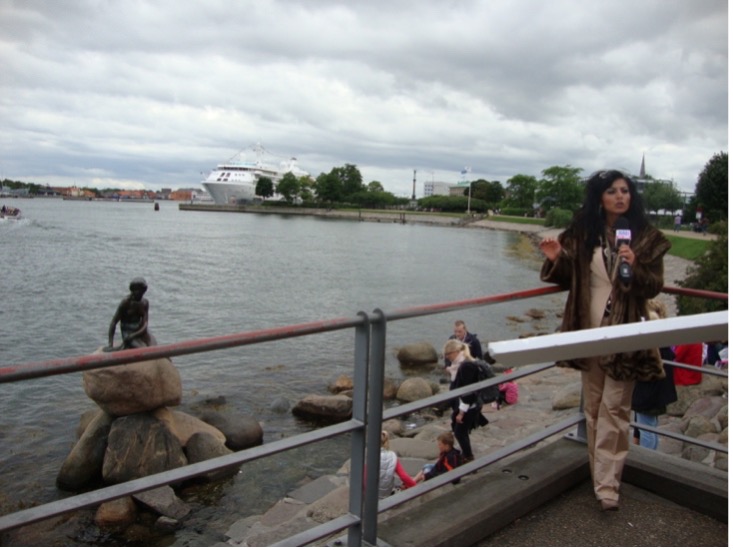
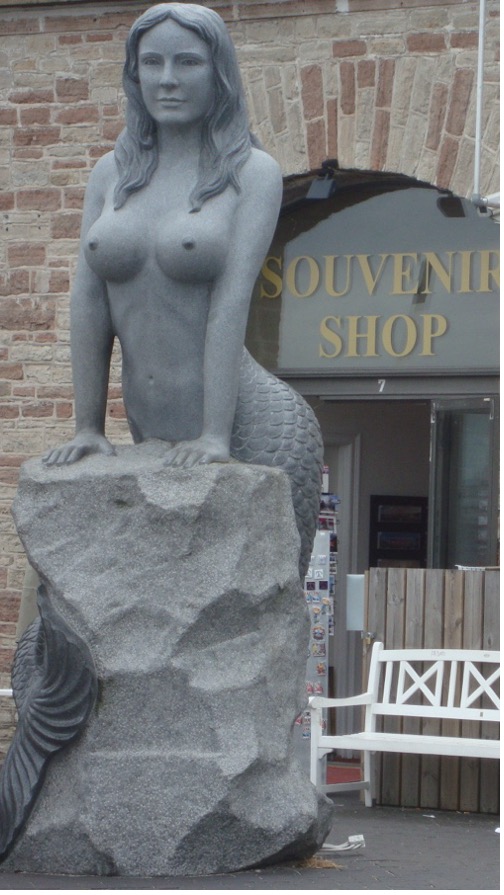
And, if one is disappointed by the size of the famous statue, a larger mermaid is close by!
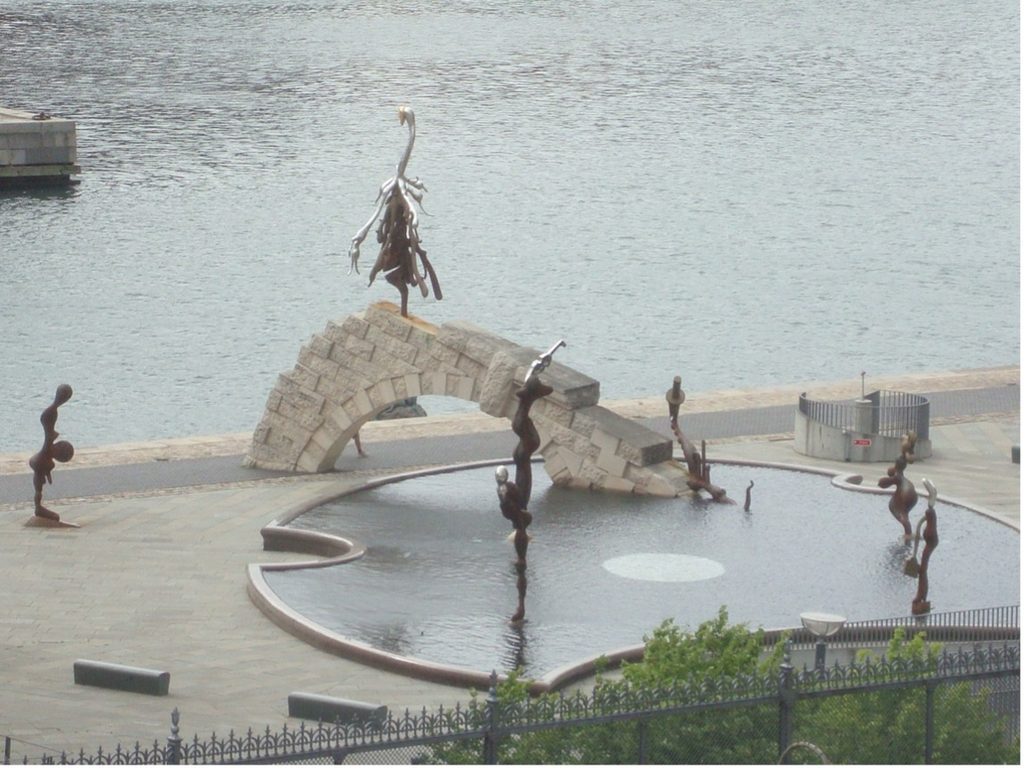
There is even a statue called The Genetically Modified Little Mermaid by Bjørn Nørgaard.
When visiting all cities for only a limited time, there is much of interest that one merely passes, catching only a fleeting glimpse or an undocumented photograph, creating impressions of the city, without details. For example…
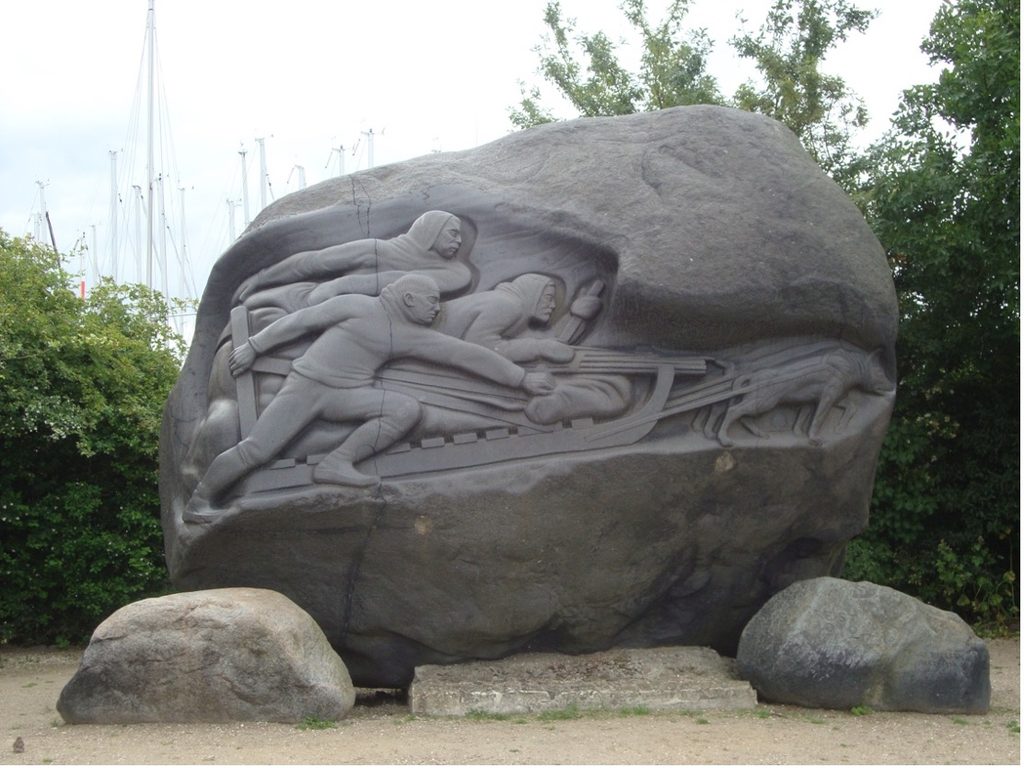
Denmark Expedition Memorial is a sculpted granite boulder created by artist Kai Nielsen. Unveiled in 1912, it commemorates the fatal 1907 Expedition to northeast Greenland.
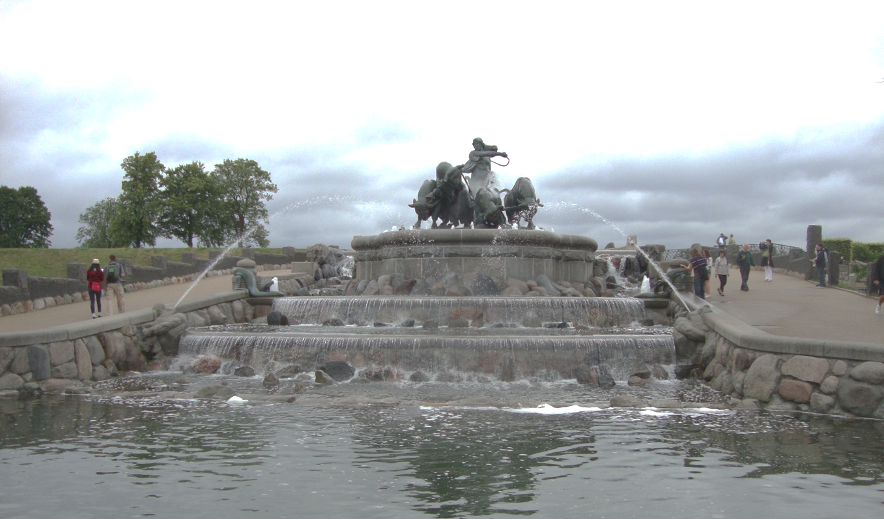
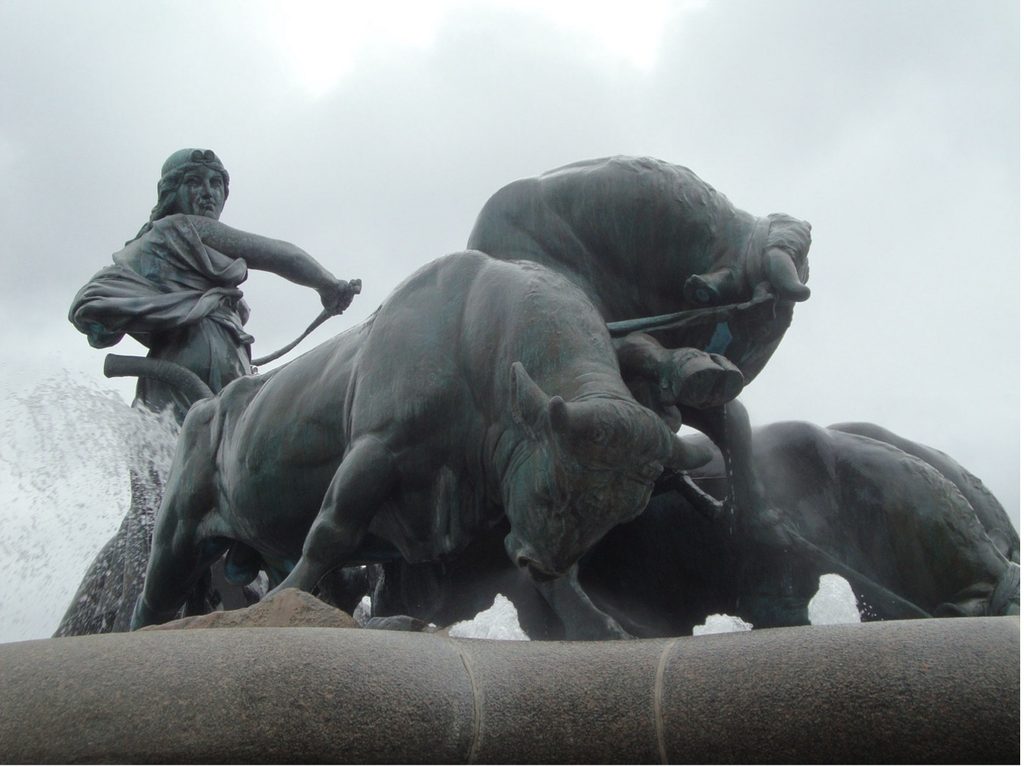
The Gefion Fountain, which features a large-scale group of oxen pulling a plow and being driven by the Norse god Gefion, depicts the mythical story of the creation of the island of Zealand, on which Copenhagen is located. It was donated to the city by the Carlsberg Foundation to celebrate the brewery’s fiftieth anniversary.
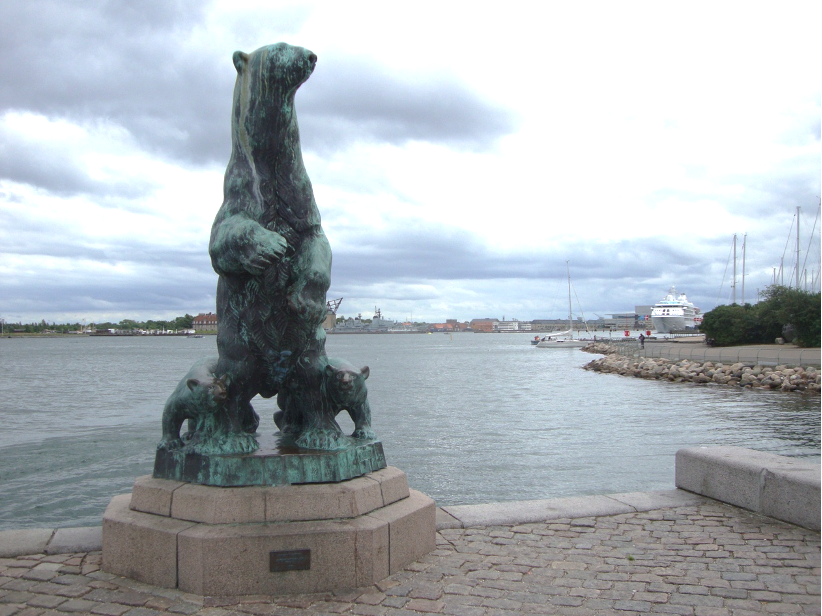
Isbjørn med unger (Polar Bear with Cubs), created by Danish sculptor Holger-Wederkinch.
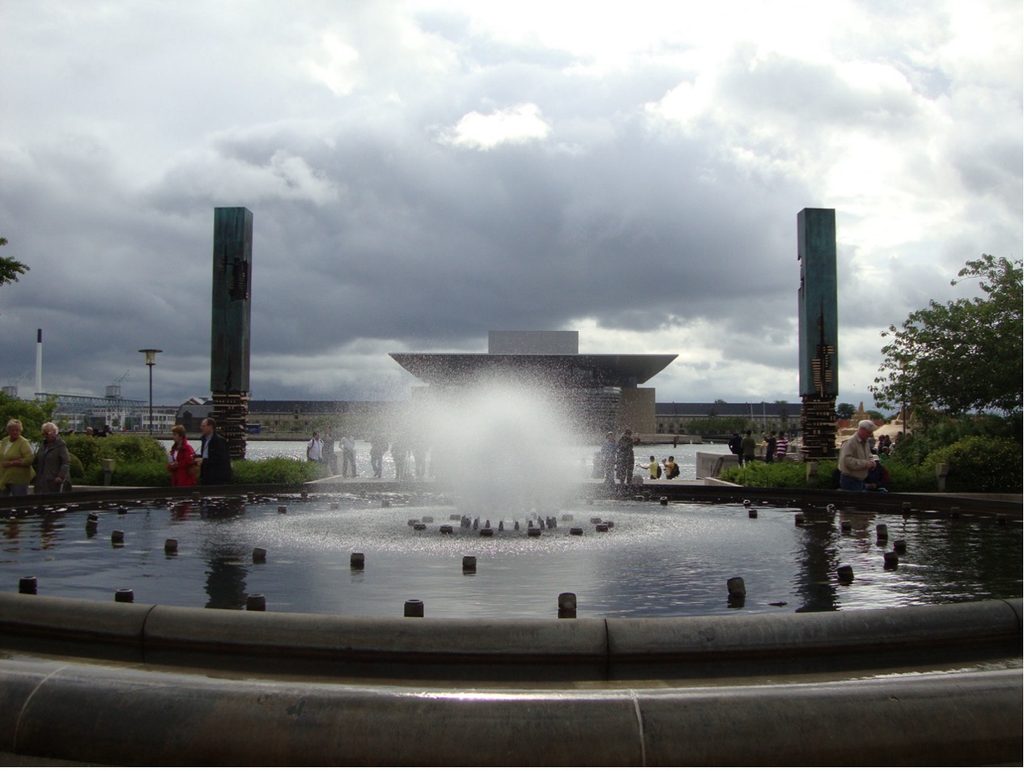
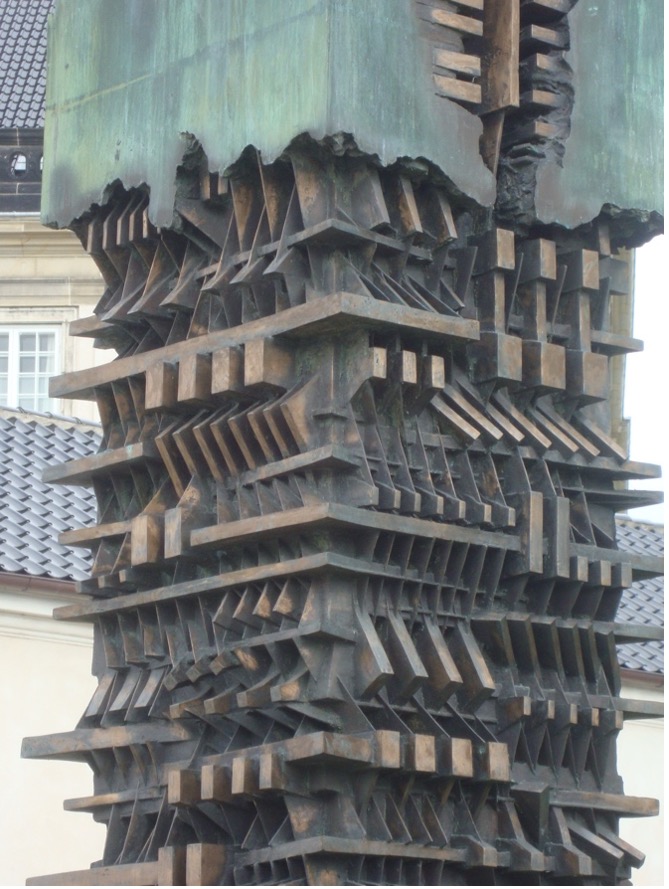
Springvandet, København, a fountain by Arnaldo Pomodoro (1983).
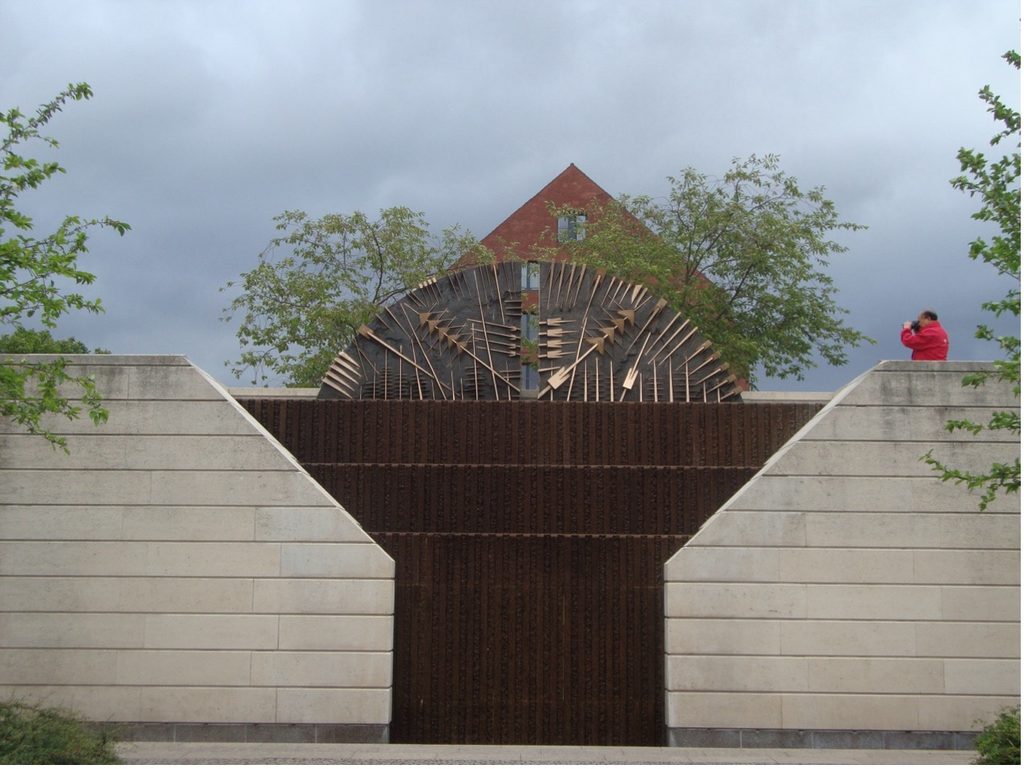
Amaliehaven, a rectangular park built to a stringent, symmetrical design.
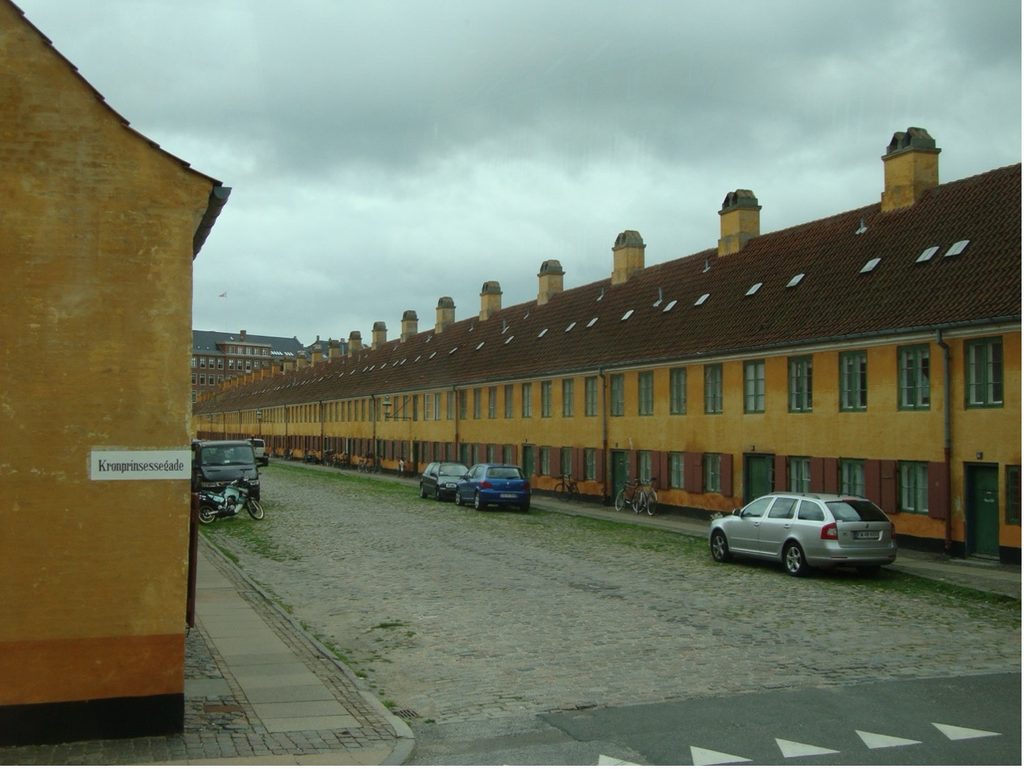
Nyboder, former naval barracks, founded by King Christian IV in the 17th century.
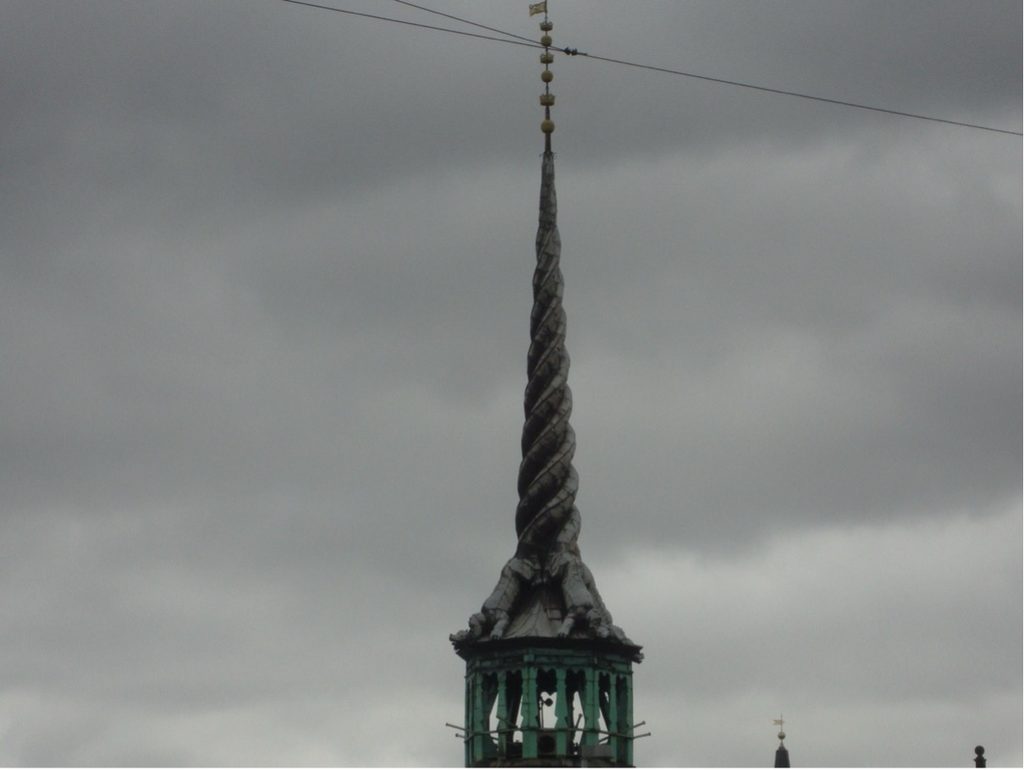
Børsen (the Old Stock Exchange). This 56-meter-high spire features the intertwined tails of four dragons. It dates back to the 17th century, and was commissioned by King Christian IV.
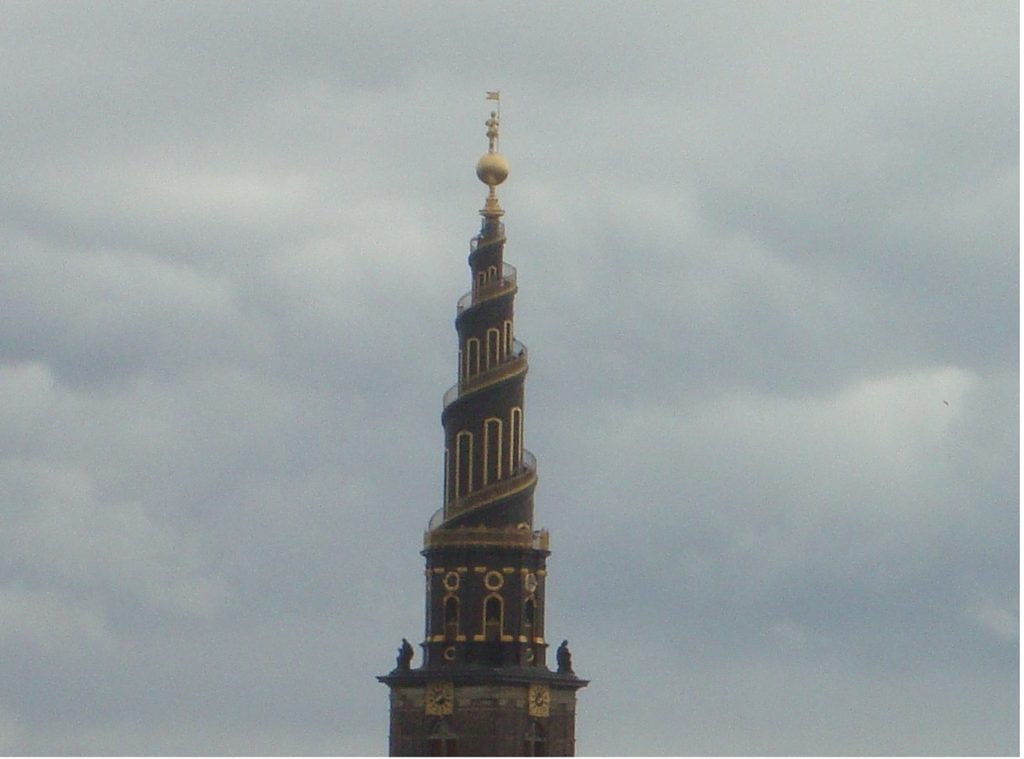
Vor Frelsers Kirke (Church of Our Saviour) has a 90-meter-high (400 steps to the top) black and gold corkscrew spire with external winding staircase, and was inaugurated in 1752.
And other architectural wonders…
Next time we’ll move on and have a look at Stockholm.

Recently nominated for Best Small Fictions 2027, Michael Smith’s fiction has already appeared over sixty times in online literary journals such as Fabula Argentea, The Hooghly Review, Witcraft, Literally Stories, Microromance, Heimat Review, Little Old Lady Comedy, and many others. He has self-published a historical fantasy, Dinner Time, two volumes in the Gruseltal series, and three short story collections, Fonts, Songs, and L < M, all available from online bookstores.
Website: https://frucht-schleifen.weebly.com/