Self-translated from Bahasa Indonesia
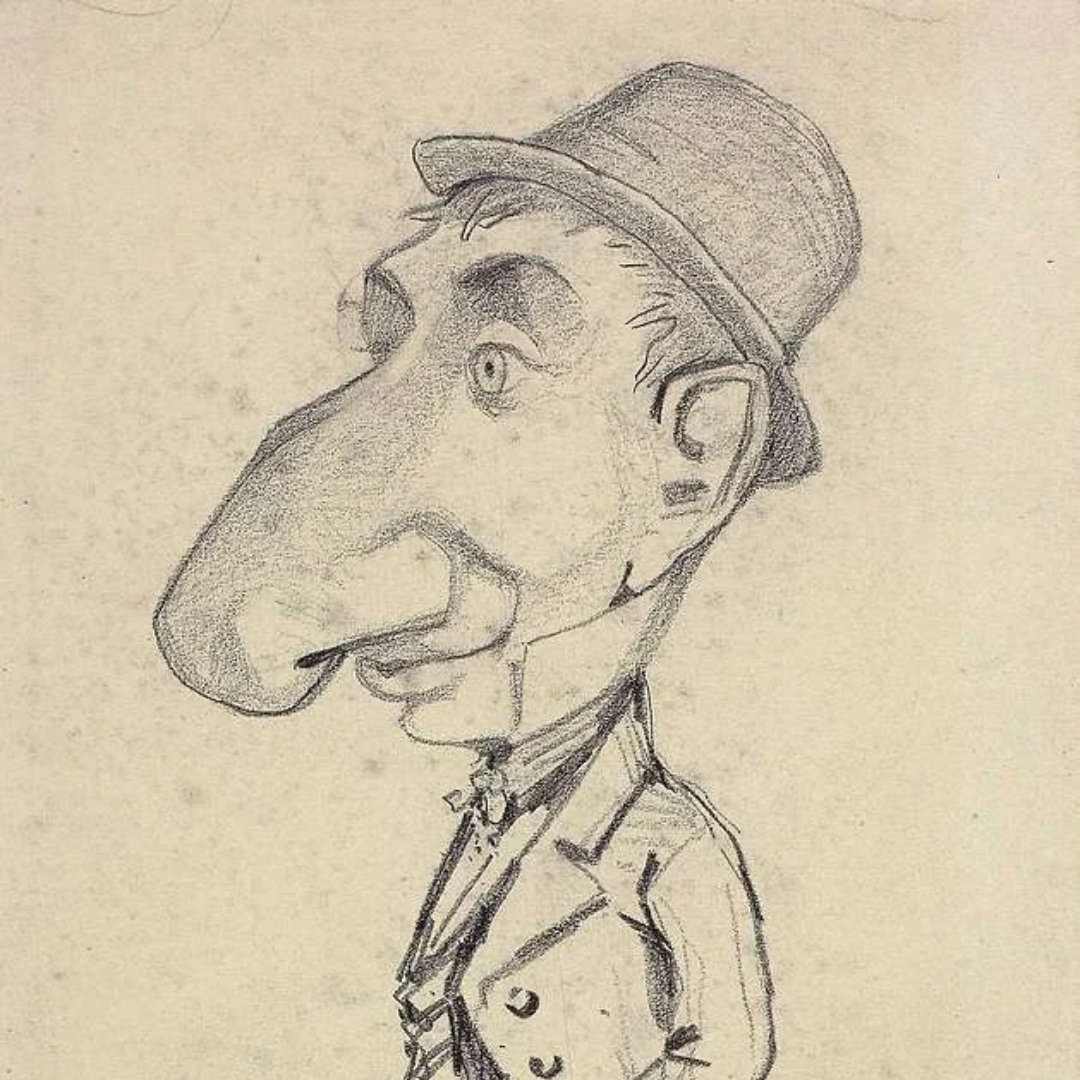
A month before the book he was writing was completed, the tip of his nose itched unbearably. Previous bouts of itching he could endure, but today’s was relentless. The final chapter was forced into suspension, as his nose claimed the entirety of his attention, leaving him entangled in this single torment and forgetting himself altogether.
At first, the itch came only at night, but soon it worsened. By morning, too, he was already suffering. His prominent nose he rubbed against the wall of his room, or pressed under a cloth filled with ice cubes. He tried every remedy he could think of, yet the itch only deepened and his nose turned red. So unbearable was it that he thought of detaching his nose entirely, to store it in the refrigerator until the itch was gone.
As this thought flickered in his distraught mind, the full moon revealed itself in its perfection. Two years earlier he had read a short story by Gogol, one that had unsettled him then, and now again resurfaced to haunt him. He imagined his nose detaching, slipping free, putting on the shirt hanging on the back of his door, and leaving. There are no miracles in this world, he thought. All his life he believed miracles were nothing but nonsense—or words spilling from the mouths of the defeated. Yet that night, for the first time, he longed for a miracle to truly exist.
“If miracles exist, then the madness in Gogol’s story would feel delightful.” He gulped down a glass of water, thirst conjured by his own thoughts. “Perhaps I could cut off my nose, and within minutes it would walk out of the house on its own. Then, from my face, a new nose would grow—one that no longer itches,” he went on.
The itch had lasted nearly a week. Two days earlier he had swallowed capsules from the pharmacy nearby, but in vain. Yesterday he tried cooling his nose with ice, after having scalded it with warm water the day before. He concluded: temperature had no effect on his affliction.
The book he intended to finish lay abandoned, though he had promised an editor in Jakarta. Haunted by that promise, he tugged at his itching nose. Strangely, the harder he pulled, the lighter the itch felt. He tugged again and again until he forgot the promise, comforted instead by this odd relief. His nose, so strikingly aquiline, had often earned him comparisons to a film star. His flawless white skin and distinctive smile only made him appear more perfect. Even his lover’s mother often praised that nose—a praise he found tiresome. He thought, in truth, even with a flat nose, he would still be handsome.
In the refrigerator sat a bottle of Sapporo beer his lover had brought from Japan. She had just returned from a work training there. Knowing that Ryunosuke Akutagawa was her favorite writer, many of her photos from Japan bore traces of Akutagawa. He had even spent an entire day listening to her ramble about her trip. Though she had meant to speak of Akutagawa, her stories had wandered into trivialities. He grabbed the beer and drank it straight from the bottle before the half-open refrigerator.
“Aha! I remember—Akutagawa wrote a story about a nose too!” He strode to the shelf where Akutagawa’s short stories sat. Finding the story, he read only the part where the nose was subjected to all sorts of treatments. He thought to try them, but after rereading them two or three times, realized how difficult they would be to do alone. He longed to call his lover, but knew well she was drowning in a deadline, and tonight, she could not be disturbed. Resigned, he decided to carry out the thought that had been circling in his mind all along—to cut off his nose.
The bottle in his hand grew lighter. Gazing at the moon, he thought of offering his itchy, aquiline nose to it. Perhaps there, it would become a towering mountain, making the moon appear more resplendent than ever. He rubbed the tip of his nose against the bottom of the bottle and sang. As the itch worsened, he no longer scratched it with his hand, but with the bottle itself. The deeper the night grew, the more he imagined a miracle suddenly appearing.
That night, with his nose burning with itch, he inhaled the scent of defeat—one he had long tried to overcome. He breathed in the fullness of solitude that had taken root in his life. The more he wished for a miracle, the stronger the stench of defeat grew. Hard to name the aroma he encountered then. He sat in a chair with a backrest, reclined, and let his mind wander freely—to the endless possibilities of being a writer, and to the miracle he never believed in, but that tonight he longed to witness.
He wished to complete a book, but upon seeing a knife—long prepared on his desk for this very night—the book he had hoped to finish a month later dissolved into fantasy.
His nose went away, to meet Gogol and Akutagawa, who were drinking bitter liquor in a garden. The nose told them the tale of its owner, the failed writer. They roared with laughter.
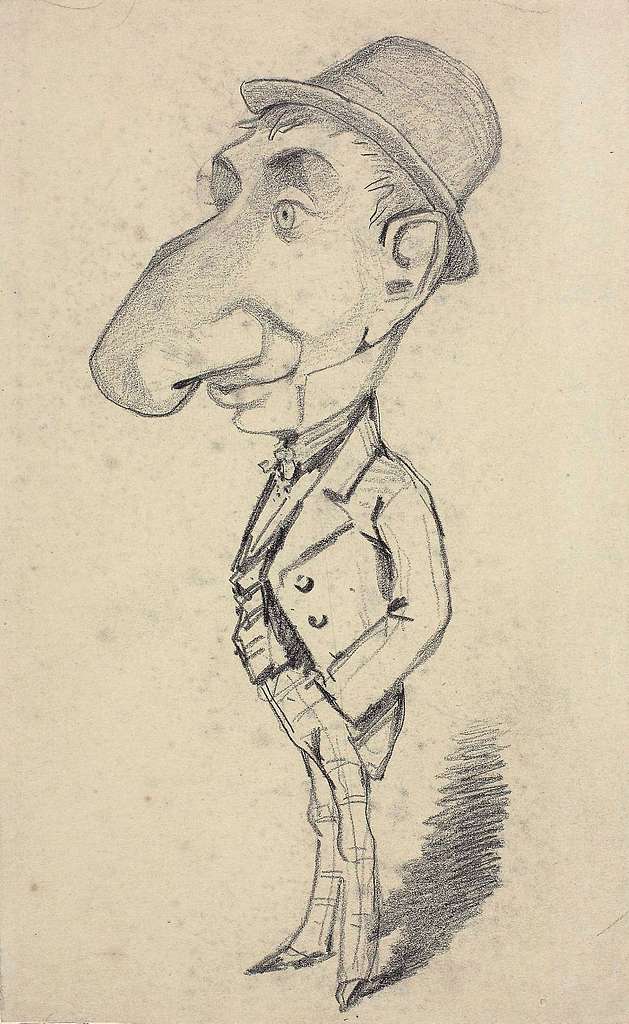
1855–56, Art Institute of Chicago
First published in Wawan Kurniawan’s short story collection, Aku Mengeong (Indonesia Tera, 2021)
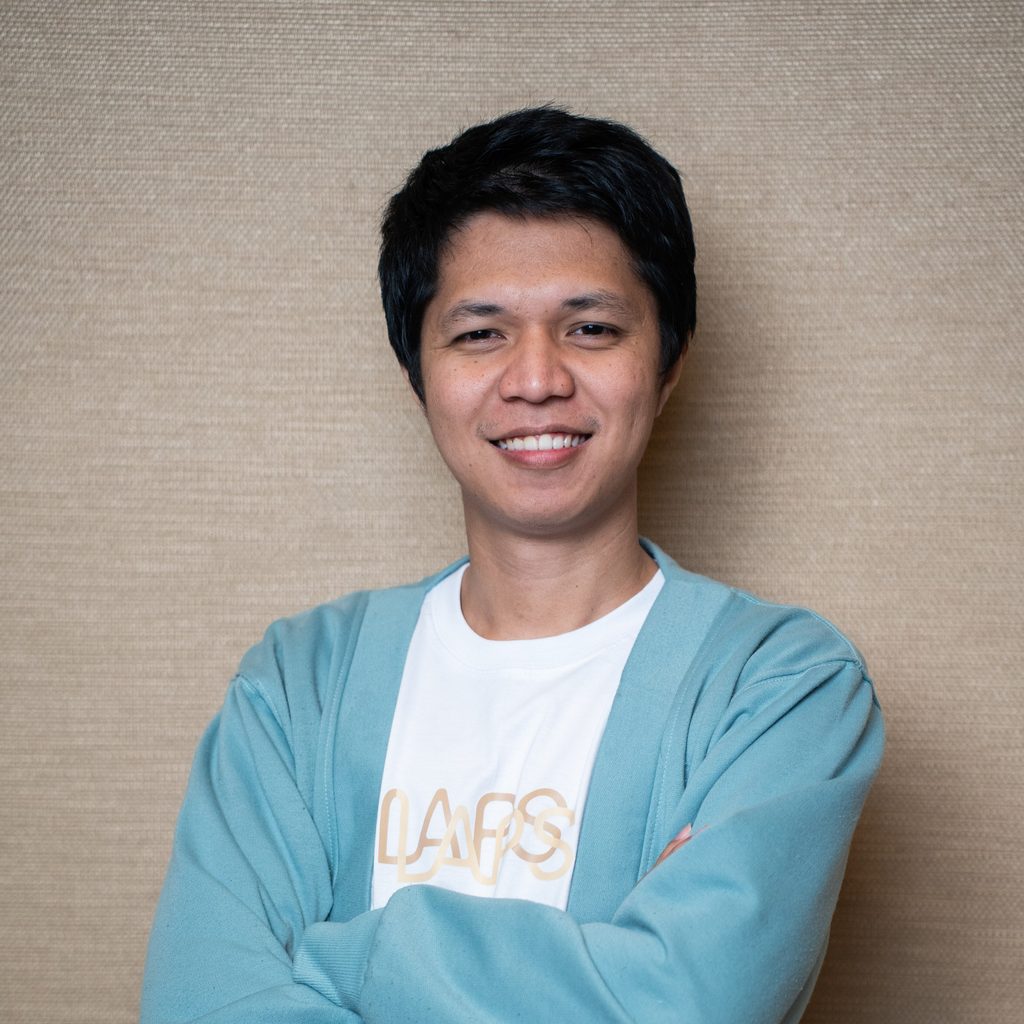
Wawan Kurniawan is a writer and translator. He writes poetry, short stories, essays, and novels. His books include the poetry collections Persinggahan Perangai Sepi (2013), Sajak Penghuni Surga (2017), and Museum Kehilangan (2020); the essay collections Sepi Manusia Topeng (2020) and Jorge Luis Borges, Realisme Magis, dan Filsafat (2022); and the short story collection Aku Mengeong (2021). His novel Seratus Tahun Kebisuan (2025) was selected in the Unnes International Novel Writing Contest 2017 and longlisted for the 2026 Kusala Sastra Khatulistiwa Award. He has been invited as an emerging writer to the Makassar International Writers Festival (2015) and the Ubud Writers & Readers Festival (2025).
Instagram: @wawankurn