Navigating adulthood is hard, even harder when you don’t have a job and a stable income. After days of waiting, you still haven’t heard back from any of the companies you applied to—not even a single interview invite. You’ve told yourself millions of times it’s okay. Get some rest and chill. That’s exactly what your friends said to comfort (pity?) you, anyway. But you also can’t stop yourself from (over)thinking that maybe it isn’t okay after all. Your savings will run out eventually.
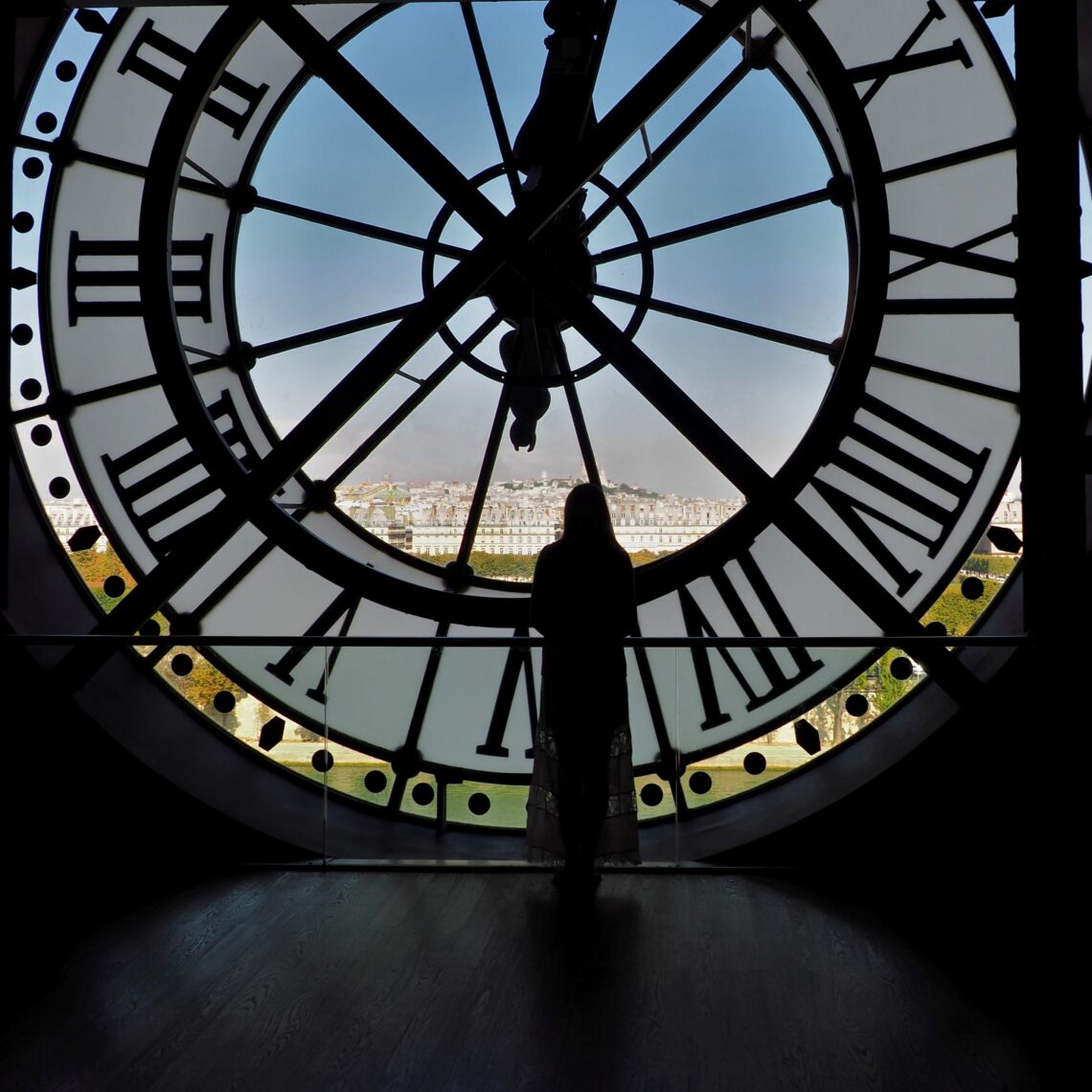
So you start carefully counting how many days you can go without a job. And every second, the clock ticks, and the countdown continues.
Soon, you find yourself trapped in your own little world of distress, worry, and pain. While defence mechanisms vary from person to person, it’s instinctive to look for a way out, even if only temporarily. Put simply: escape.
How? Many escape through entertainment; everyone has at least one feel-good show to binge-watch these days. Yet travel feels like a more complete escape. It offers a physical stay in a different place that lets you temporarily set problems aside. That sense of respite from the real world deepens as you lose yourself in the countryside.
I stumbled upon a post about a remote wellness resort in Phuket, Thailand, and my first impulse was to buy a plane ticket. I managed to resist, but the thought stayed on my mind for the next few days. Imagine an entire vacation built around good food, yoga and Pilates classes, and massages. Everything is taken care of, and there’s nothing left to worry about. What a dream. What an experience to try. We all want something that’s distinctively ours.
Distinctiveness is one thing. Happiness is another. From time to time, you’re reminded of how joyful your previous travels were, whether it’s scrolling through the photos you took, neatly organized into labeled albums, or sharing the “unique” experiences you had at gatherings.
And then there are the things you brought home.
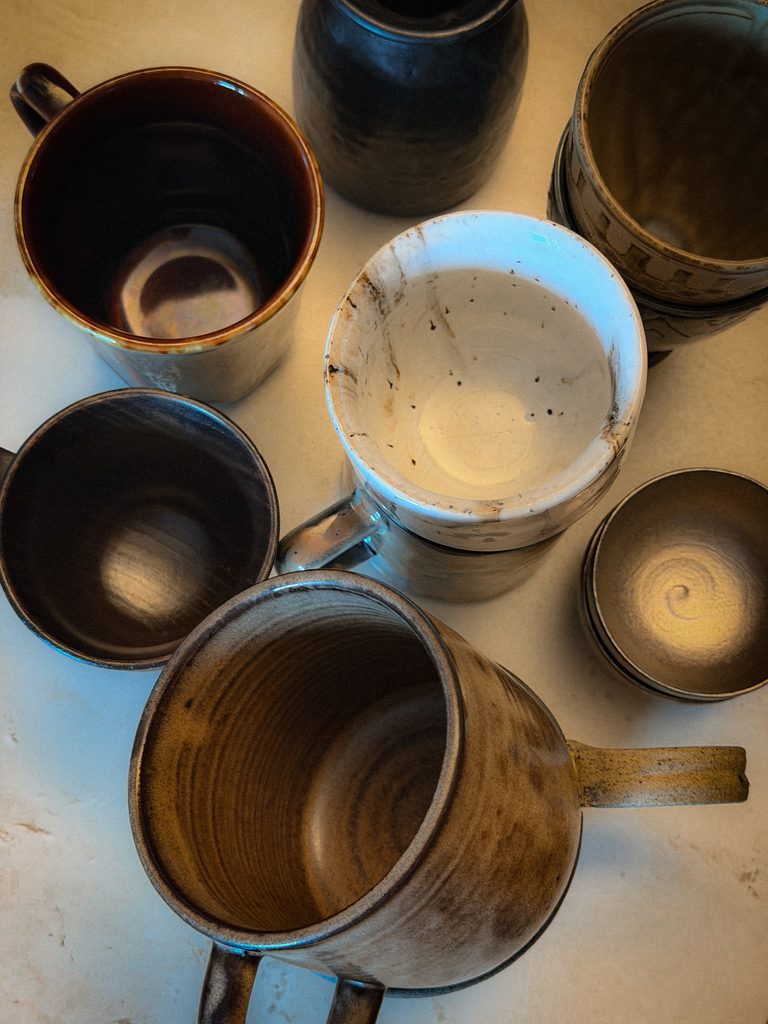
That bit truly resonates with me. Maybe it’s just me; searching for exactly what to bring home from each trip takes time, but it’s so worth it. Crafted collectibles that showcase a place’s history, culture, and beauty easily take my money. A Balinese lamp handcrafted from a coconut leaf. An abstract piece bought from a street painter in Montmartre, Paris. Countless Japanese ceramic mugs representing different pottery kilns, where craftsmanship has been passed down from generation to generation. The trouble of wrapping them up and keeping an eye on them throughout the flight still won’t stop me from adding to the collection.
And it’s somehow about connection. A friend of mine and I exchange souvenirs from wherever we’ve been every time we meet—usually once every six months (another brutal truth about adulthood). Sometimes they are just local sweets and snacks picked up at the airport at the last minute. Other times, they are chosen just for you, based on one of your habits, hobbies, or preferences. You are remembered even when someone is traveling, a time meant to relax and forget about everything and everyone back home.
You matter.
We’ve known each other for over seven years, and she knows me well: my love of both Monet and books. She remembers. And that is inexplicably comforting. Anyway, doesn’t souvenir mean “remembrance” in French?
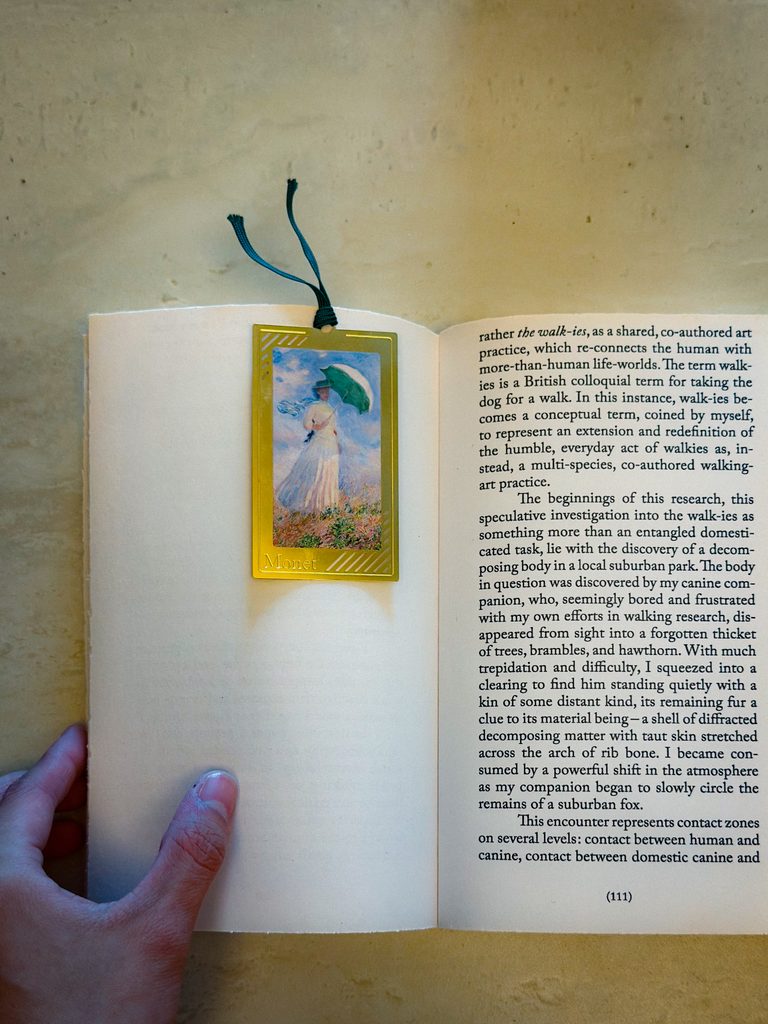
In Cantonese, we call souvenirs 手信 (sau seon, literally “hand letter”). I had never thought about its origin until I wrote this. I was puzzled by the use of 信 (seon), which means “letter” in everyday use. So I googled it.
It turns out that the figurative use of 信 to mean a gift or token of appreciation dates back more than 1,100 years to the Tang Dynasty, according to a book on cultural traditions in Guangdong. 手 (sau, “hand”) probably emphasizes the practice of presenting and receiving gifts with both hands, a mannerism that many of us are taught from a young age.
Souvenirs need not be valuable; it’s the thought put into choosing them that counts, as the Cantonese old saying goes: 禮輕情意重 (lai hing cing ji zung).
It’s not uncommon for families to keep small collections of souvenirs at home. My family’s refrigerator door is covered with magnets we’ve picked up on our travels. I’ve forgotten who started the tradition, but it’s stuck with us over the years. No matter whom you travel with (or if you travel alone), you’ve got to bring a magnet home; one that suits Mum’s aesthetic would be especially great.
So this door has quietly become a vessel of memories, and adding to it is now part of every trip.
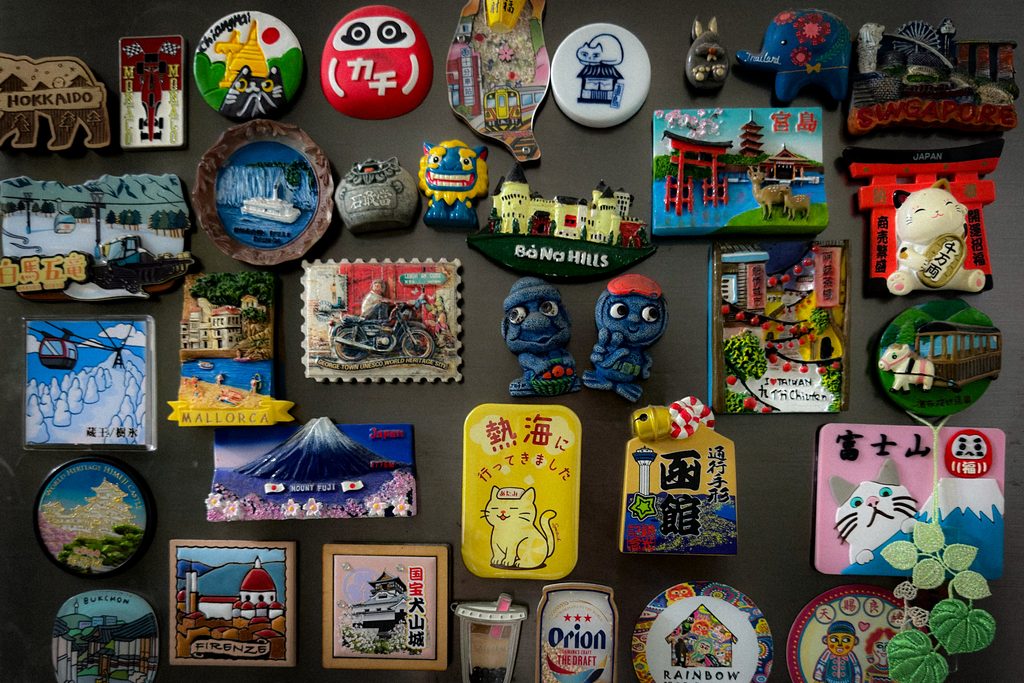
The clock is still ticking. The countdown is still there. But these little objects remind me that my life is more than my anxieties.
Jodee Fok is a Hong Kong-based writer covering whatever sparks her curiosity, from politics and social impact to coffee culture.
Featured photo by Jarda Husák (Pexels)