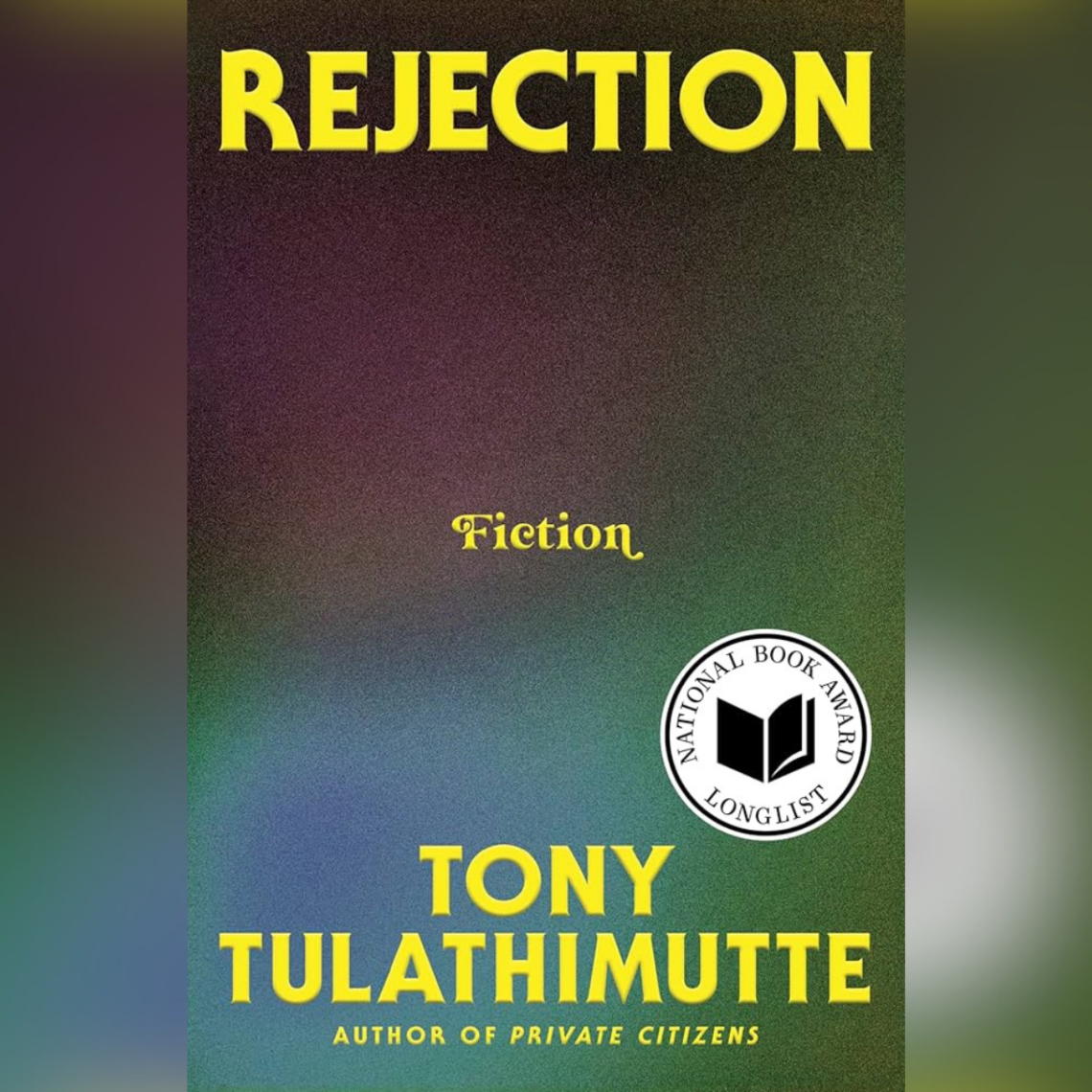
Tony Tulathimutte’s Rejection is not your regular book. Very soon into it, you’d be presented with a coltish gaze by the author, checking your audacity of going deeper in the book. It gives you a never-felt-before experience, and though at times readers might confront absolute absurdity dealing with the question if they even want to proceed further but at all times, they will and capture Tulathimutte’s raw perspicacious writing. Across each of its seven chapters the book offers sporadic surges of introspection and startling formations of outwardly perceptions.
Tulathimutte’s tumultuous book introduces a set of compelling, non-charismatic characters who are too unreal to be created but too human to be fake. Without consenting yourself, you’d hope certain things to happen to them. Without knowing, you’ll feel bad or rather flabbergasted. It would be a giant moment of consternation if you don’t end up making bizarre expressions by the end of each chapter.
All through the book, characters possess a transparent human body, and so every thought that ever enters their mind is visible to everyone else. We might not be in charge of the unconscious than the conscious, but the unconscious is far more in charge of us than the conscious.
With a refreshing vocabulary and intelligent writing, Tulathimutte eliminates the distinction between to be present and not to be present side to the world. The book might even withhold a peculiar gory vibe.
One of the most interesting facets of the book is how the characters existing parallelly to Tulathimutte’s protagonists are portrayed as so appropriately normal, that one can’t help but ponder to face the rejection at their hands isn’t the only way to be. Amidst the gigantic envy we contain of being perceived as normal, the book throws an entertaining question at you, is it possible to be classified as normal when you’re facing rejection, that too a number of times, almost always?
The feminist guy in the first chapter though exists without any identity but is known wholly with his x-rayed thoughts. He portrays before readers the workings of a confusing mind. How difficult it is to make sense between contradictory norms? Just in the sense that in a relationship communication is the key and giving space is healthy. He is exposed through a multitude of such thoughts. He is submissive towards his own emotions of anger, hurt, feeling shit about the society by reasoning him out of them.
Alison in the second chapter is extremely pathetic but human. Throughout you’d be dying to knock some sense into her or would be too embarrassed to see yourself into her. The book often tries to recognise and validate in a way the emotions we don’t give enough attention to. It’s a prismatic insight into the world that only works on impulse. Alison will find you yelling, oh god why’s she doing that!
Readers move along a trajectory throughout the collection of initially really hoping for something good to happen to the characters and later hands down expecting something terrible or worse that they deserve that. Kant in the third chapter is better left unreviewed. One would almost see Tulathimutte smirking between the excerpts when you feed him with the reactions he is most rightfully expecting. The chapter with Kant is an overt manifestation of audacious writing by the author. You don’t know what you’re going head first into.
The fourth chapter is filled with mind-bending wit and creative absurdity. The white, highly privileged guy with the gen-Z-iest lingo invites you to judge him. He is oblivion and how. The time that has caught us in the obsession and later inability to comprehend the virgin island could use this chapter to humour it. He is satirically practical and might potentially become your favourite character. Readers anticipate him to end with eggs on his face but he is too rich for that.
And finally, we have Bee, well she wouldn’t wanna be described (book context). Bee resides in the fluidity of definitions. The conversations encountered by bee and her participation in them is an exemplary effort at sagacious writing. The chapter portrays horrifying pleasures of allyship that the internet has to offer and how it could validate all your concerns that it itself has put. It would make you feel cynical for trusting and callous for your wariness.
By the time you reach metaphors (the sixth chapter), you would have accumulated too much incongruency to complain. Swiftly sailing through them, the tension is palpable. The excerpts stretching for about two pages are placed in the book for the sole purpose of igniting the cerebral. The book promises extravaganza for those who promise to bear with it till here. The connections that reveal themselves later appear to be have always there, they come as surprise but make too much sense.
One chapter down in the book, you’d realize it couldn’t be the book that makes you passionate about it or the one that makes you underline the hell out of it, but it needs to be read for what it has to offer. You are signing for expecting outcome. When good doesn’t happen and it makes sense. You wish to jerk the character into reality, but the character is in the reality. You don’t need to hold a pen throughout but your breaths. Tulathimutte ensures you say that often, what the f*** is going on?
And though I have hit the word limit of this review, it seems futile since the book review itself in its final chapter, literally.
Rejection (William Morrow and Company, 2024) can be purchased here.

Riya Panghal recently graduated in History and Psychology and is deeply interested in literature, cultural criticism, and contemporary thought. Her writing often explores alienation, emotional contradictions, identity, gender, and the psychological textures of modern life. Her poem ‘This Too Shall Pass’ is forthcoming in The Wise Owl, while her review of the book Azadi by Arundhati Roy is set to appear in The Punch Magazine. She is currently working on independent essay projects titled ‘Mothers Are Sacred and Scarred’ and ‘A Nation at Alarm’. She is especially interested in writing that unsettles, interrogates, and emotionally exposes both the reader and the self.



What an incredibly articulate and intelligent critique. Such profound understanding of the text shines through beautifully, and you have entirely persuaded me to secure a copy of this book asap. Also this stellar review makes me even more excited for your upcoming work and publications.