As with Copenhagen, there are several surprises in store, things for which travel brochures do not prepare us. As one approaches the city by sea, one is overwhelmed by the sheer number of delightful wooded islands of varying sizes (approximately 30,000 in total) in the massive Stockholm archipelago, Saltsjön, the Baltic Sea bay.
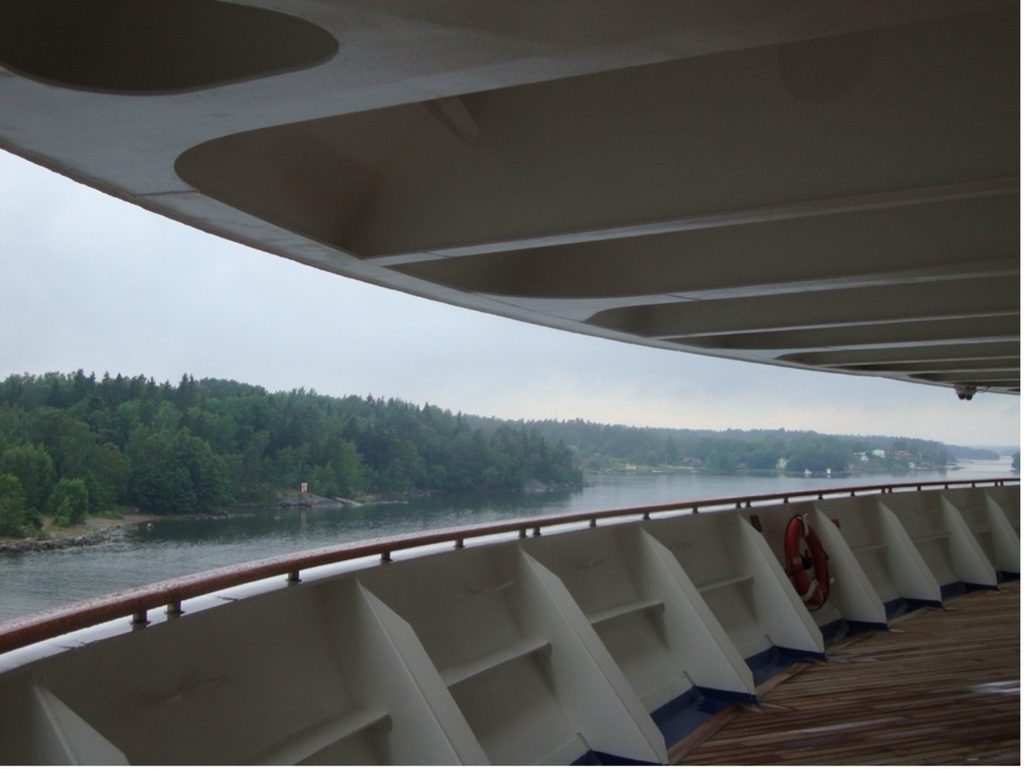
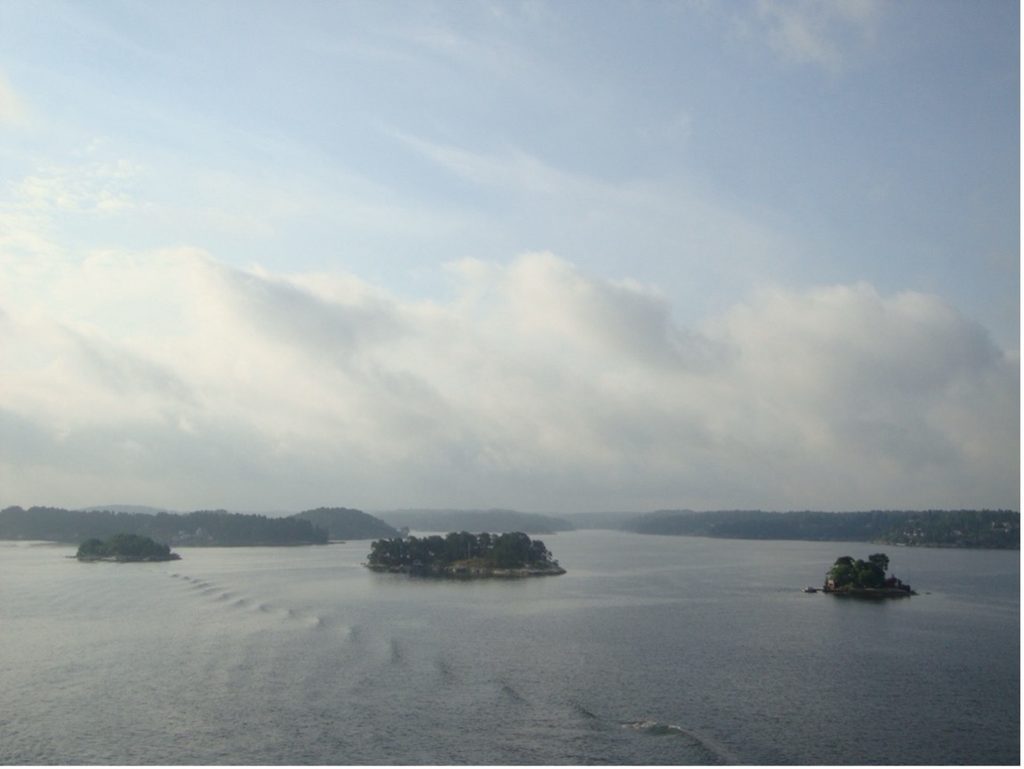
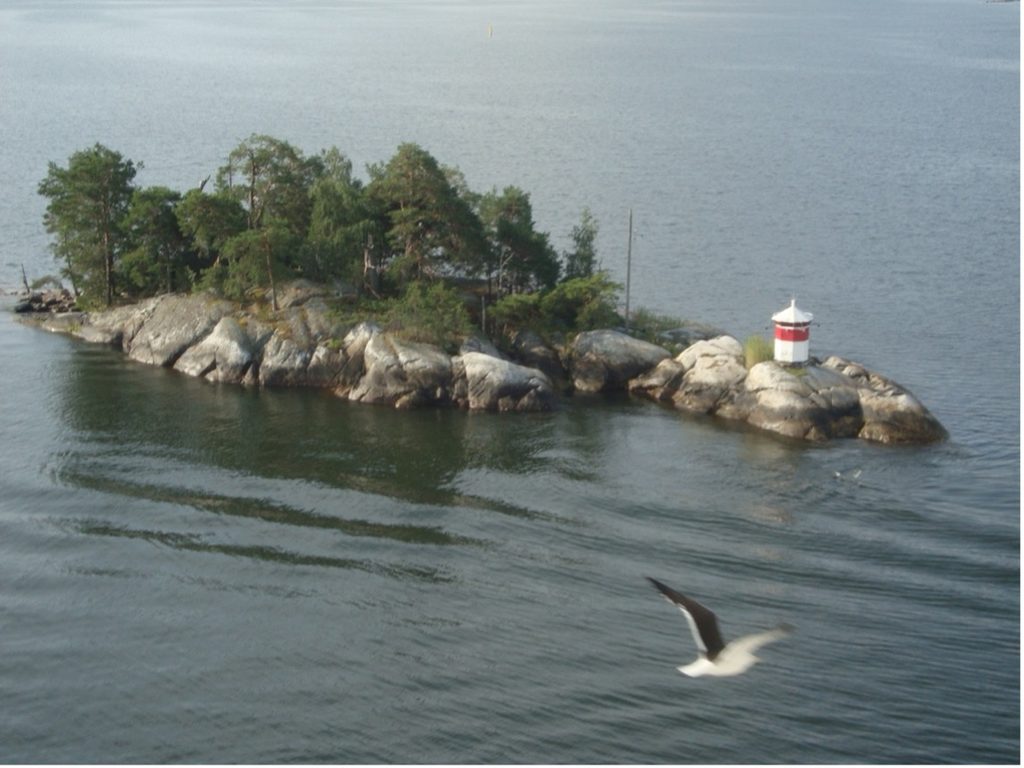
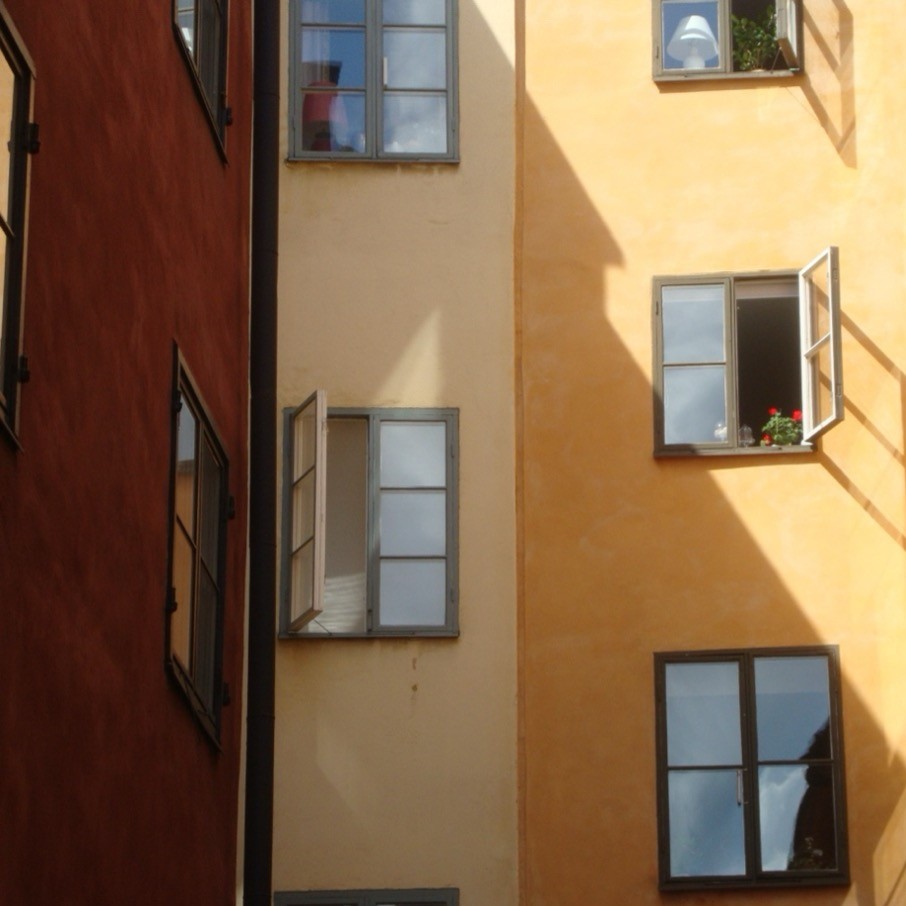
Once the city itself has been reached, the lasting impression is of the vast number of ornate buildings. Sweden has a reputation for clean, clear-cut lines in its design (possibly through the all-pervasive IKEA), but much of the capital’s architecture is along more classical lines.
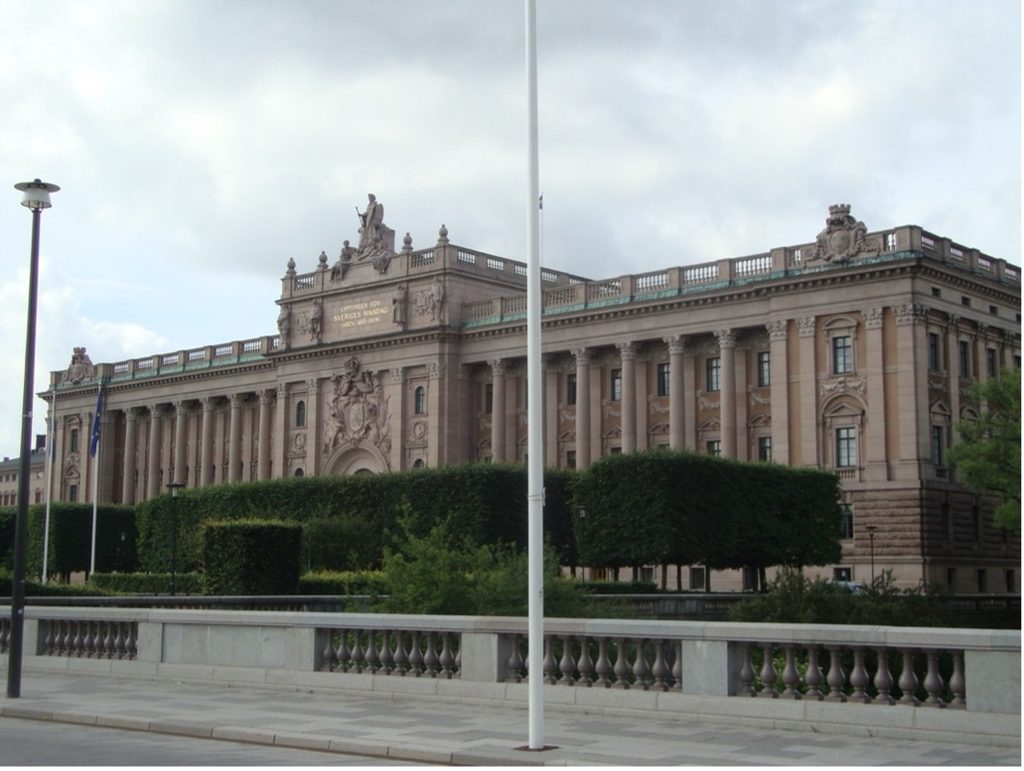
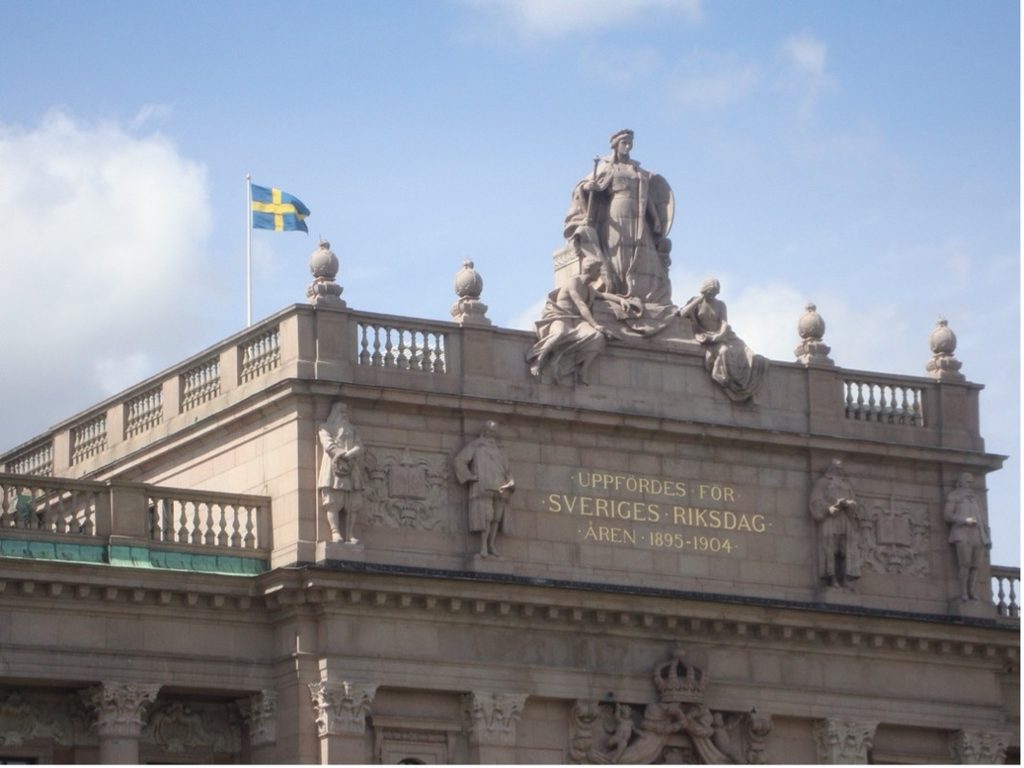
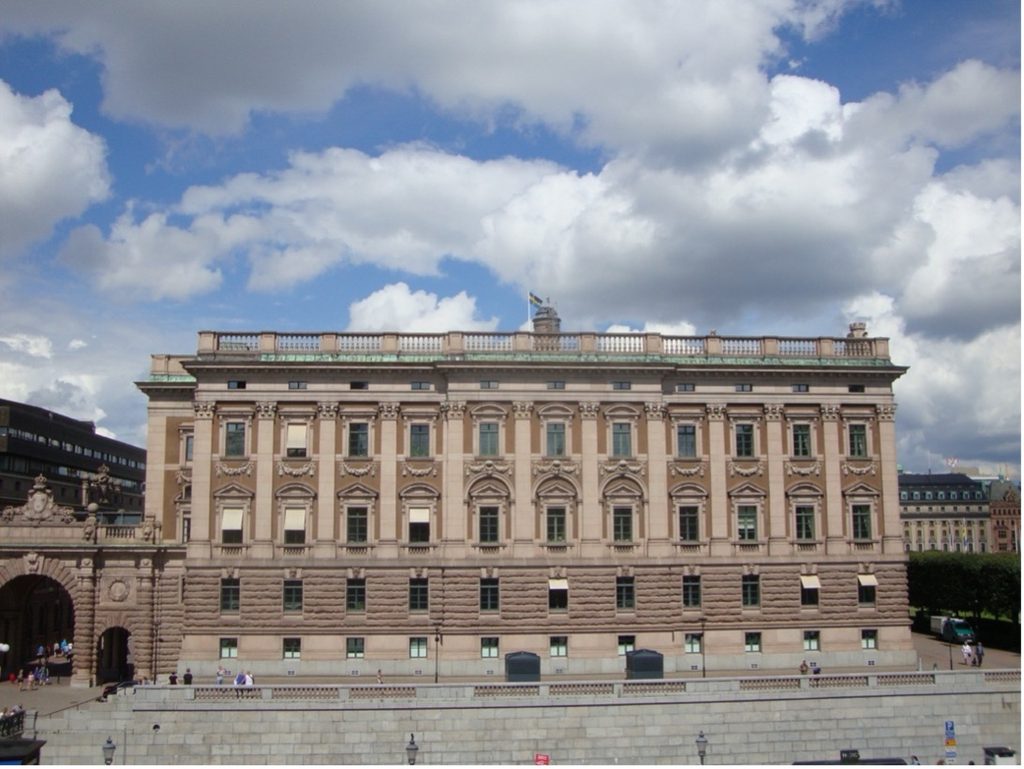
Riksdagshuset (Parliament House)
The seat of the Swedish parliament takes up nearly half of the small island of Helgeandsholmen. The building, designed by Aron Johansson who won a design competition in 1889, was constructed between 1897 and 1905.
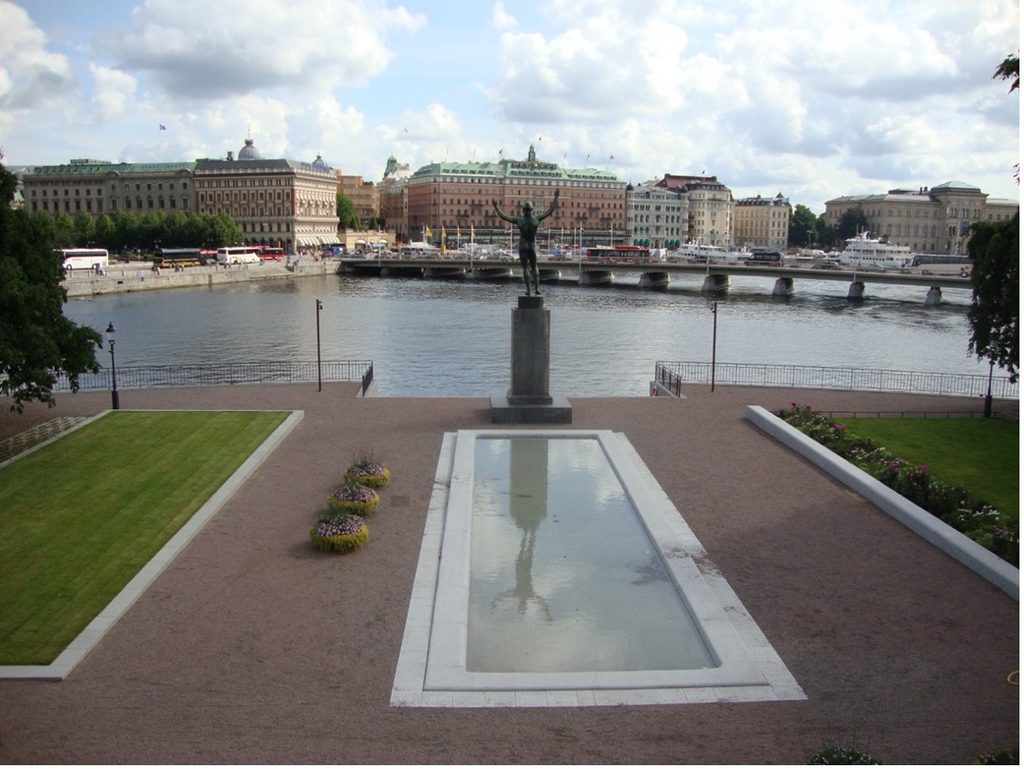
Strömparterren Park
On the small island of Helgeandsholmen, which is dominated by the Parliament House, is Stockholm’s oldest (1832) yet recently renovated park: Strömparterren. The name means “Downstairs at Strömmen”. The term is appropriate because you need to walk the stairs at the Norrbro bridge to reach it.
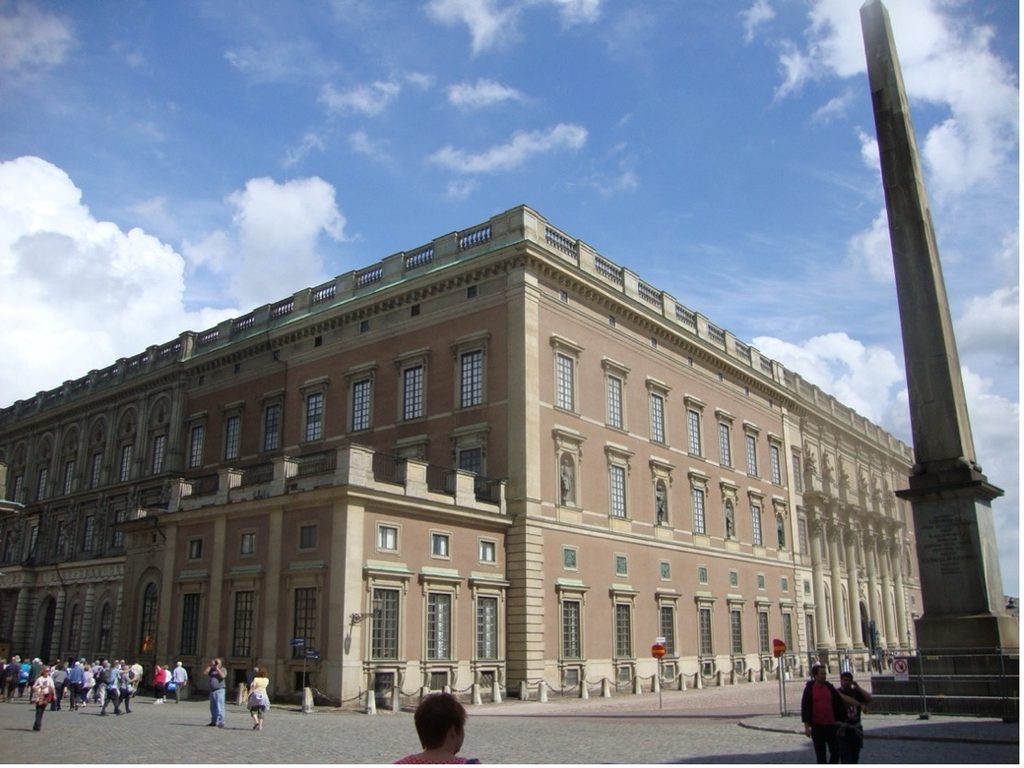
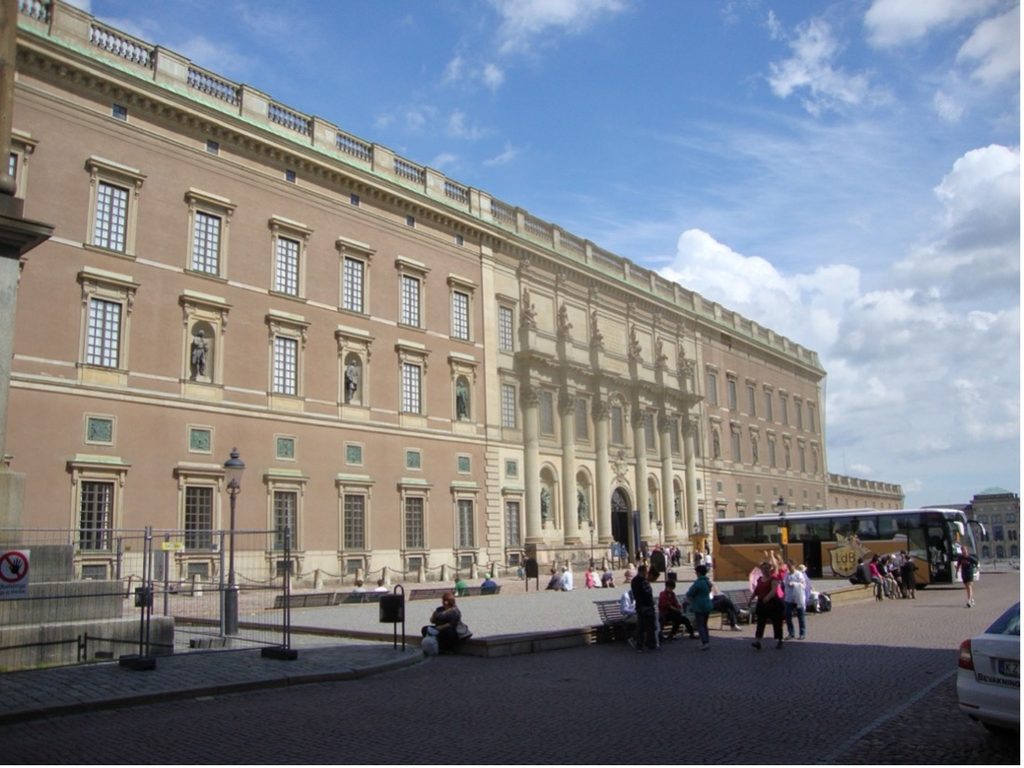
The Royal Palace (Kungliga slottet)
Arguably the most famous landmark in Sweden, The Royal Palace has to be included in any itinerary when exploring Stockholm. The palace is the official residence of the Swedish royal family and has been used since the 1760s. The Baroque style building was designed by renowned architect and city planner, Nicodemus Tessin the Younger. Carl Hårleman also added to the design after the death of Tessin.
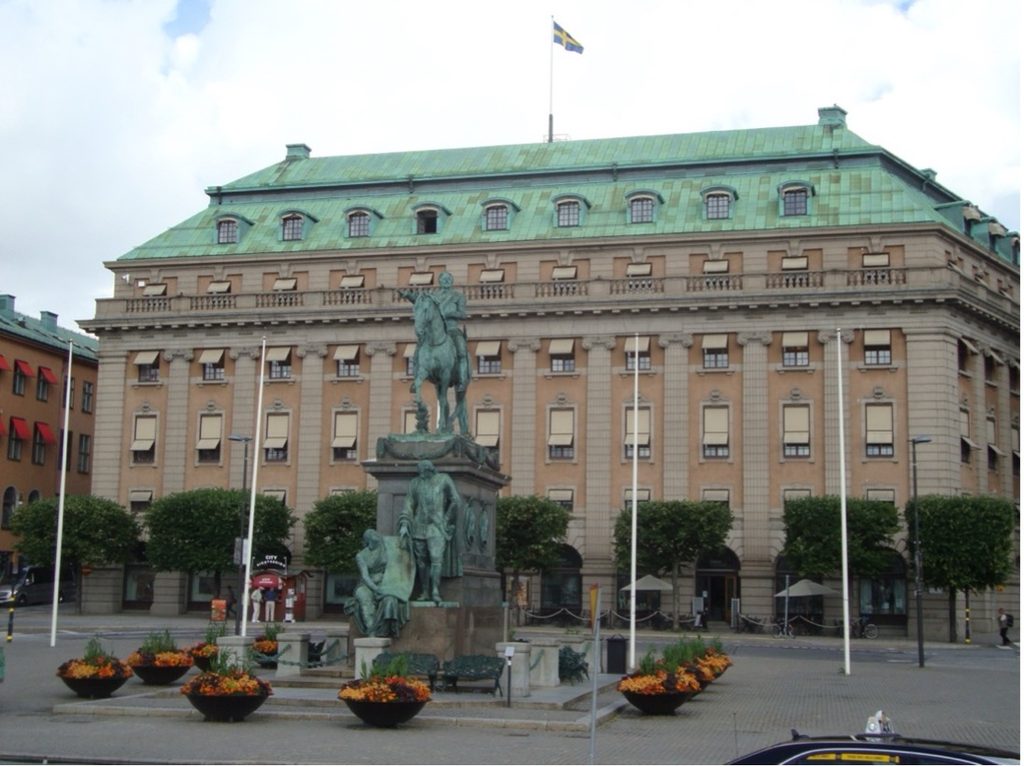
Gustav II Adolf’s Statue
This equestrian statue is located at Gustav Adolfs Torg (Gustav Adolf’s Square). The statue was designed by the French sculptor, Pierre Hubert L’Archevêque in 1791, and dedicated to King Gustav II Adolf, also known as Gustavus Adolphus, King of Sweden (1611 to 1632), and often regarded as one of the greatest military commanders of all time who played a crucial role in making Sweden a major European power during the Thirty Years’ War.
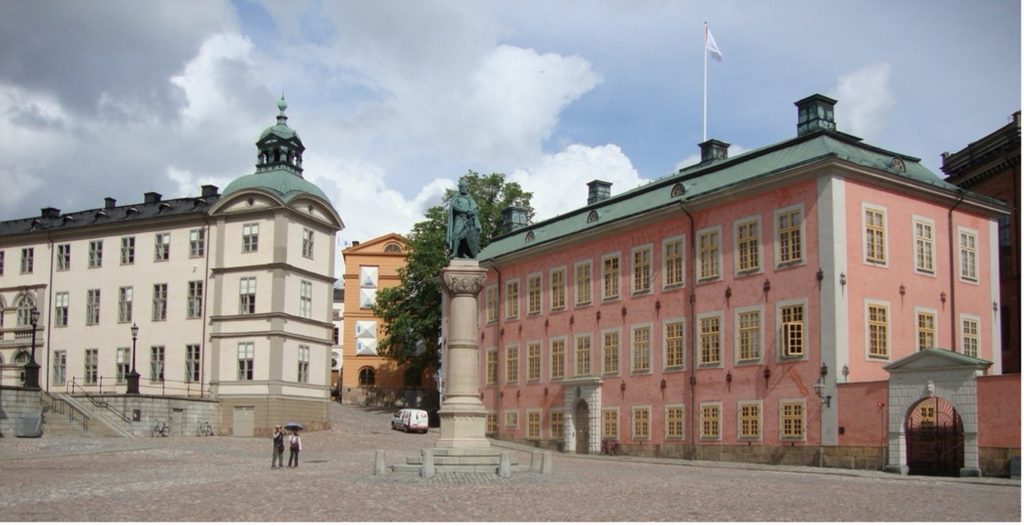
Stenbockska palatset (Stenbock Palace), with Birger Jarls Torg
In the same way that Britain’s Prime Minister works from the unassuming No. 10 Downing Street, Stenbock Palace, on Riddarholmen, is Sweden’s own seat of executive power. This is the Swedish Prime Minister’s office, and a fully functioning government building. It was built in the 1640s as a private residence for Count Gustaf Otto Stenbock, a Swedish military commander, becoming government property in 1889, after being purchased from the Stenbock family. It had various government functions before becoming the Prime Minister’s office, residence, and venue for cabinet meetings in the 1980s.
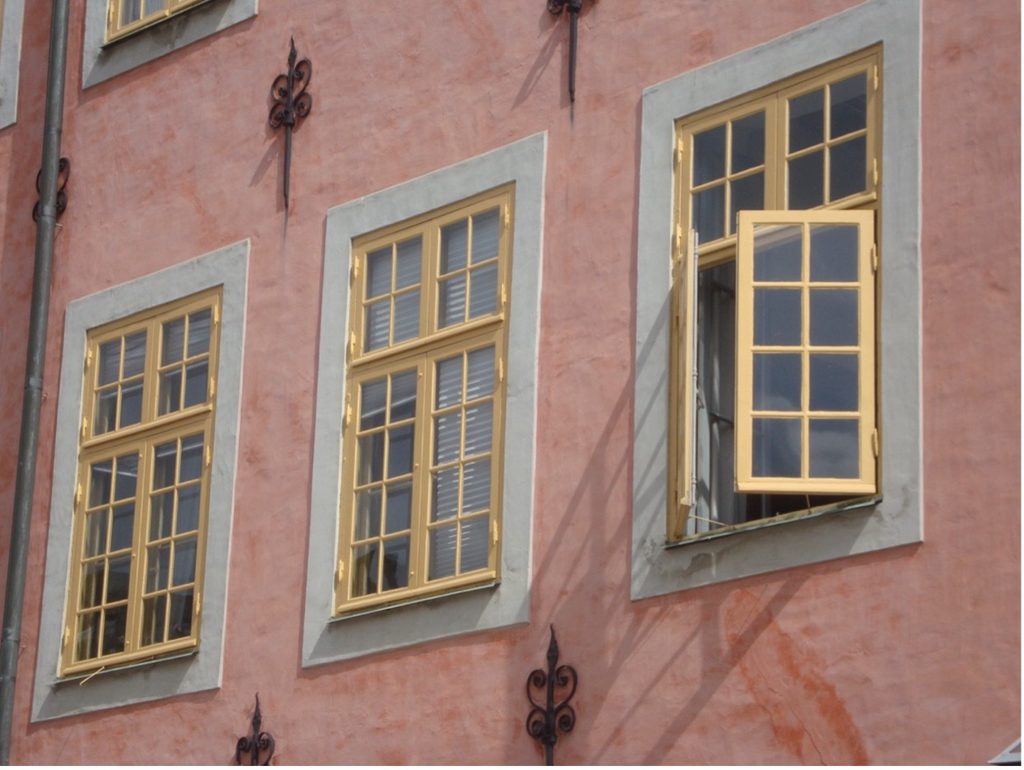
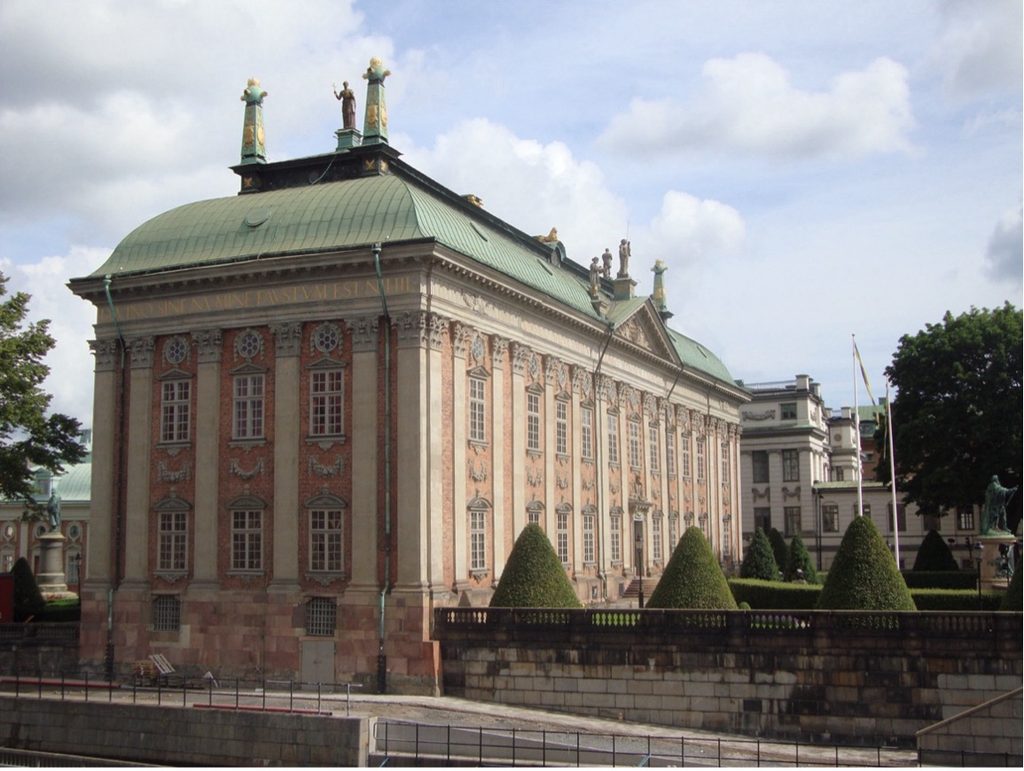
Riddarhuskajen (House of Nobility)
Architect Simon de la Vallée designed the baroque building, though he died during construction and his son Jean took over. It was built between 1641 and 1674 as a meeting place for Sweden’s nobility. Today it houses a private organization representing noble families but without political power, and holds genealogical records. The building itself stands as a fine example of a baroque architecture of the 1640s.
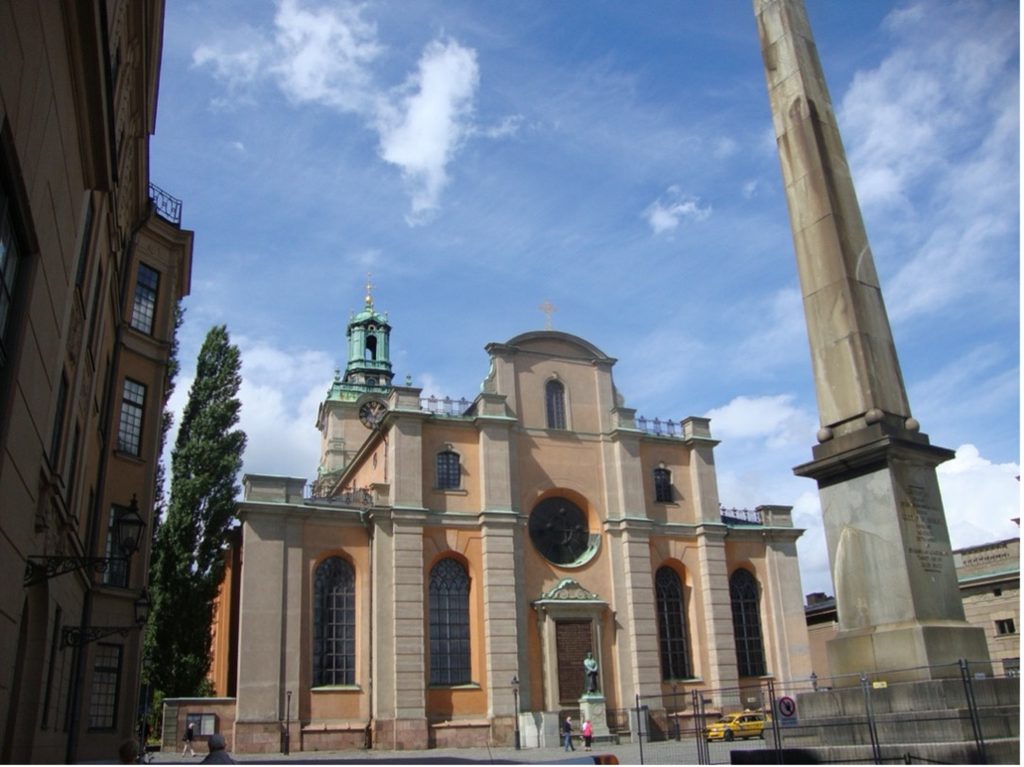
Stockholm Cathedral (Storkyrkan) is the oldest church in the capital city. Other names for the cathedral include Storkyrkan, Sankt Nikolai kyrka, and Stockholms domkyrka. It represents medieval roots and royal history. Built in 1279 and consecrated in 1306, the medieval cathedral is home to a number of historical artworks, including the 1489 sculpture St. George and the Dragon and the famous Vädersolstavlan painting from 1636. The church was also the site of the 2010 royal wedding of Crown Princess Victoria and Prince Daniel. It is designed in a Brick Gothic style and features a stunning interior with stained glass, high ceilings, and ornate design elements.
On the right of the picture below, one can see …
The Obelisk at Castle Hill
The Obelisk at Castle Hill (Slottsbacken) was commissioned by King Gustav III and unveiled in 1800; however, he was assassinated before it was completed. The late king used the obelisk to honour the burghers of Stockholm who guarded the city during the Russian War in the late 1780s. Due to signs of deterioration, the monument was reconstructed and re-opened in 2020.
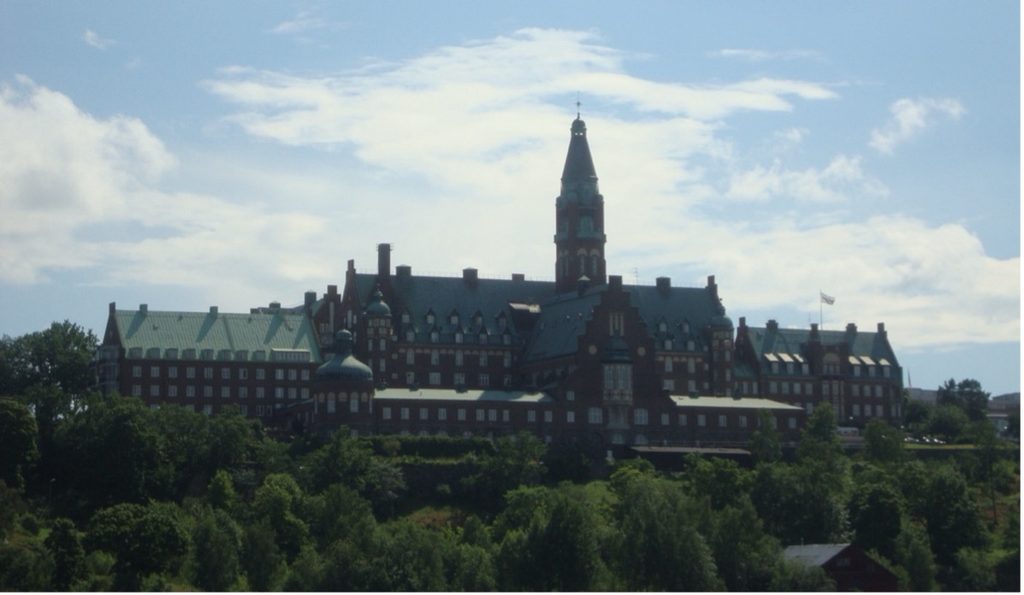
An interesting diversion from sightseeing on foot is to take a cruise, which will probably sail through the 75 meter long Karl Johansslussen (Charles John Lock) between Riddarfjärden (Lake Mälaren east), and Saltsjön, the part of the Baltic Sea that reaches the city center. On this cruise one might see …
Danvikshem
This large, red-brick castle looks like it should be a royal residence or a seat of government, but this is, in fact, a retirement and nursing home. Located on the Finnbodaberget cliff, it was augurated in 1915, when it was considered very modern, and then expanded in the 1980s.
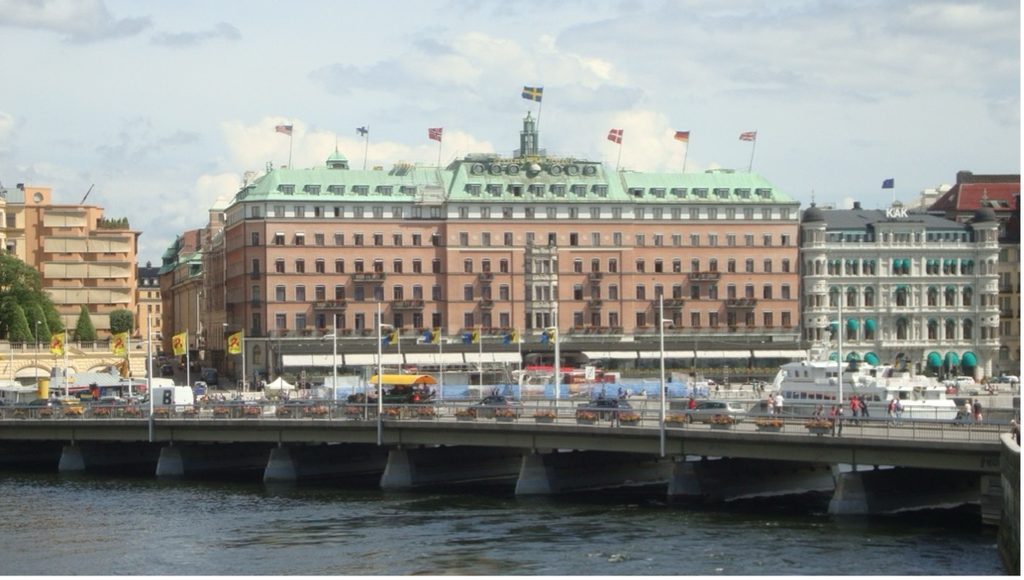
The Grand Hotel
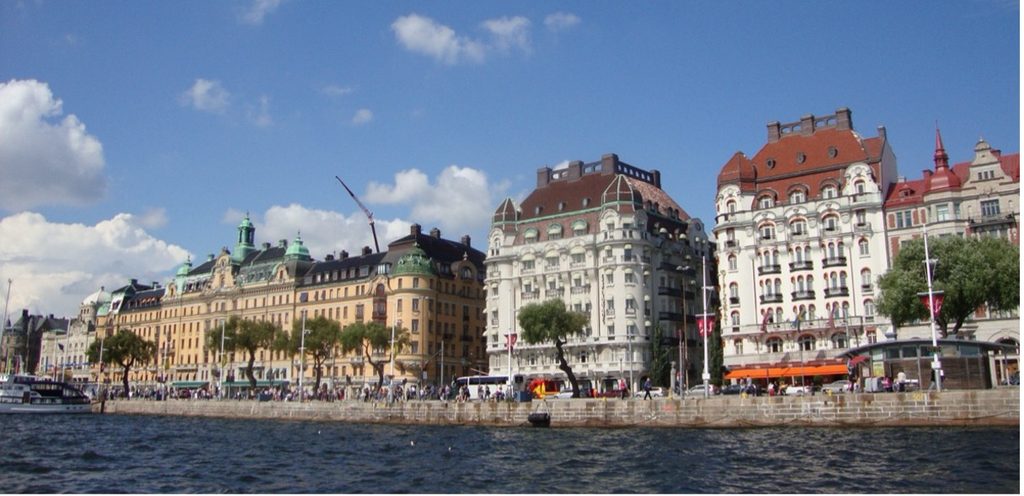
Since 1874, this elegant hotel, renowned for its traditional smorgasbord, has overlooked the Royal Palace and Gamla Stan (Stockholm’s old town).
Strandvagen boulevard shops, including Svenskt Tenn, Ostermalm
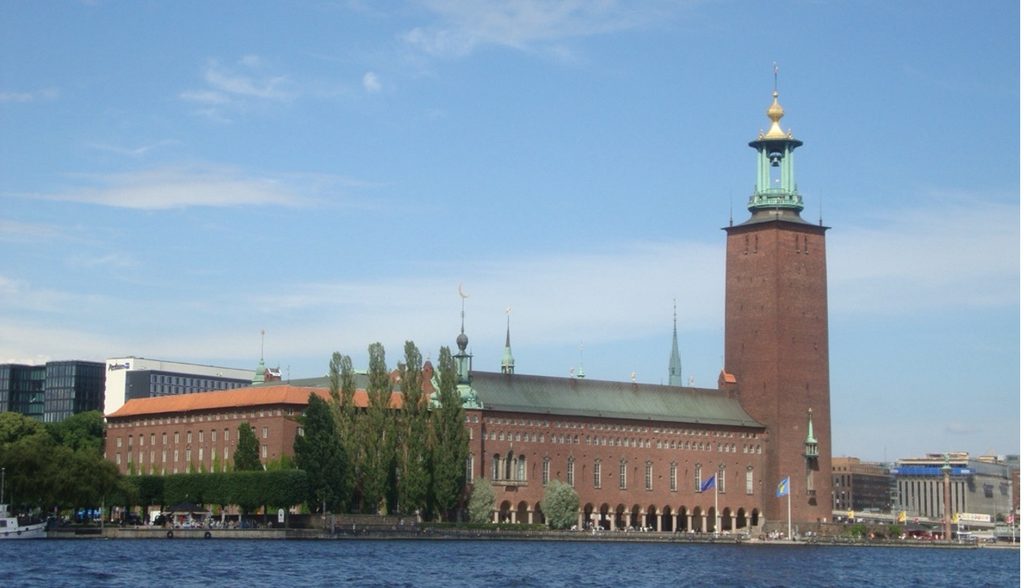
Stockholm City Hall (Stadhuset)
Constructed in 1911 and opened in 1923, Stadhuset is an important political building. It sits just across from the City Centre, on the island of Kungsholmen. The building is still used by municipal council members, with around 250 government offices within its walls.
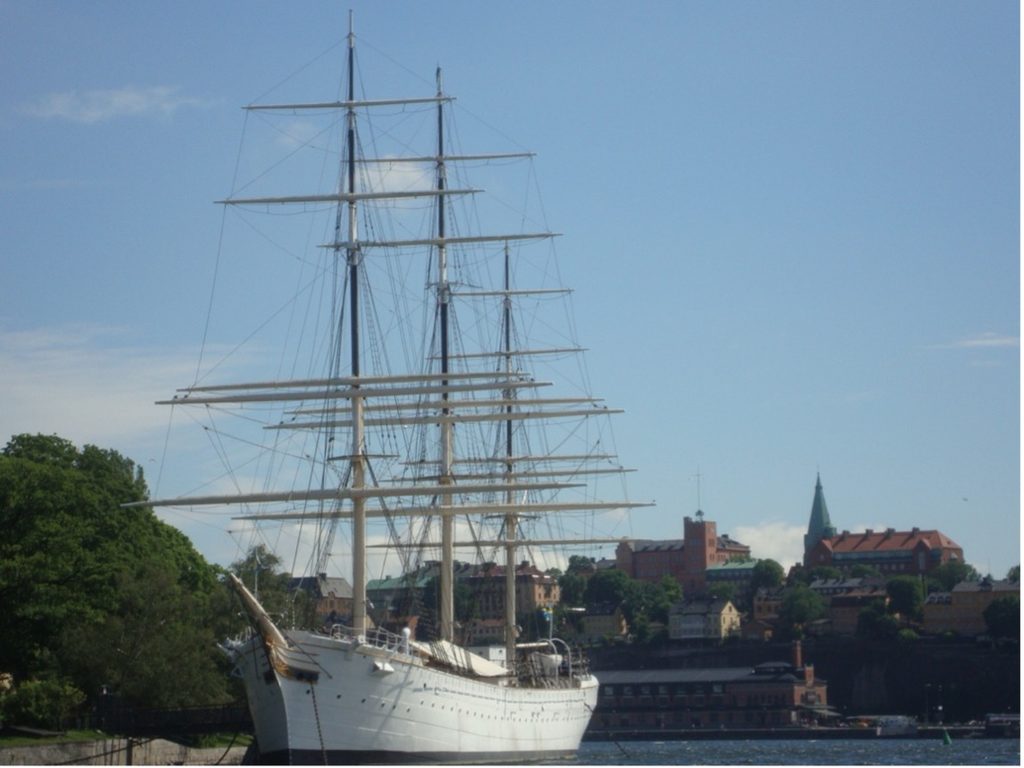
AF Chapman
A full-rigged steel ship moored off the islet of Skeppsholmen, now used as a youth hostel. The ship was constructed in Whitehaven in the English county of Cumberland (now Cumbria), and launched in Spring 1888. After changing ownership several times, the Stockholm City Museum saved the ship in 1947 from being broken up, and since 1949 AF Chapman has been managed by the Svenska Turistföreningen (Swedish Tourist Association), serving as a 285-bed youth hostel.
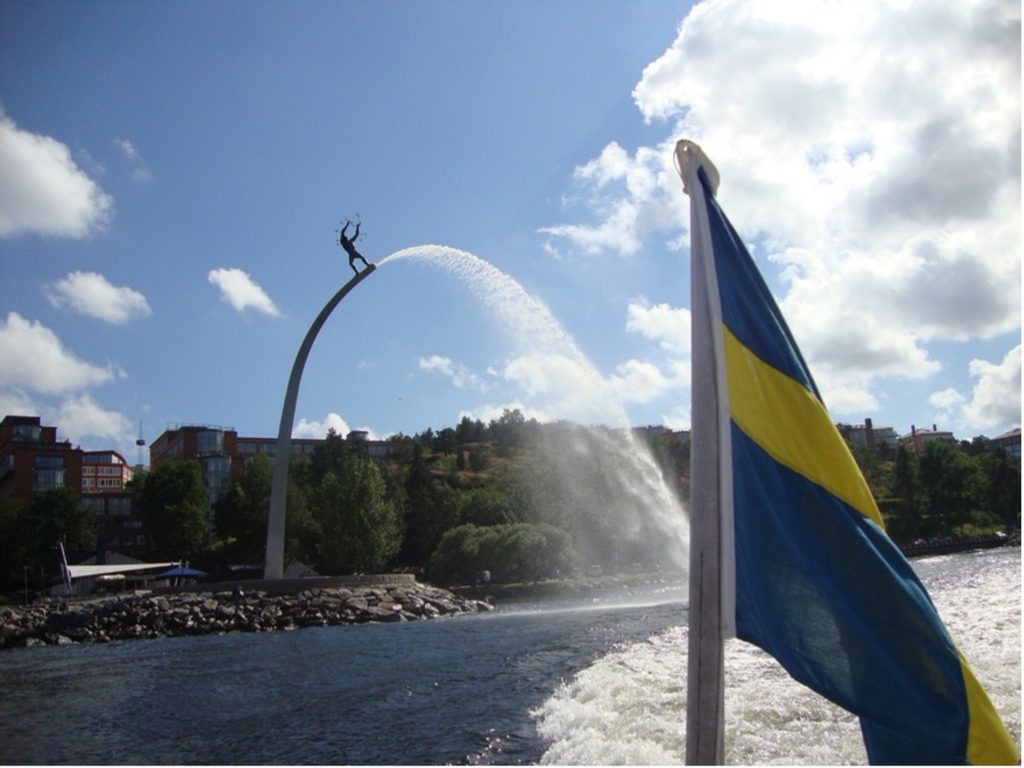
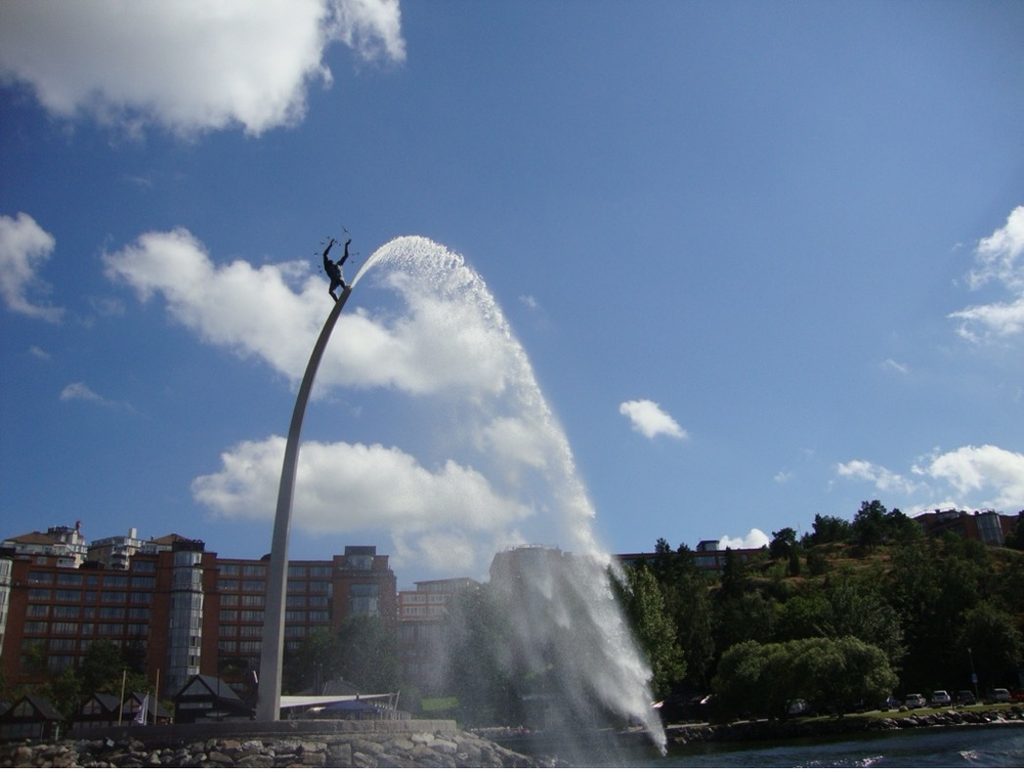
Nacka Strand and the fountain ‘Gud Fader på himmelsbågen’ or ‘Gud Fader på Regnbågen’ (God the Father on the Rainbow or on the Celestial Arch) by Swedish sculptor Carl Milles.
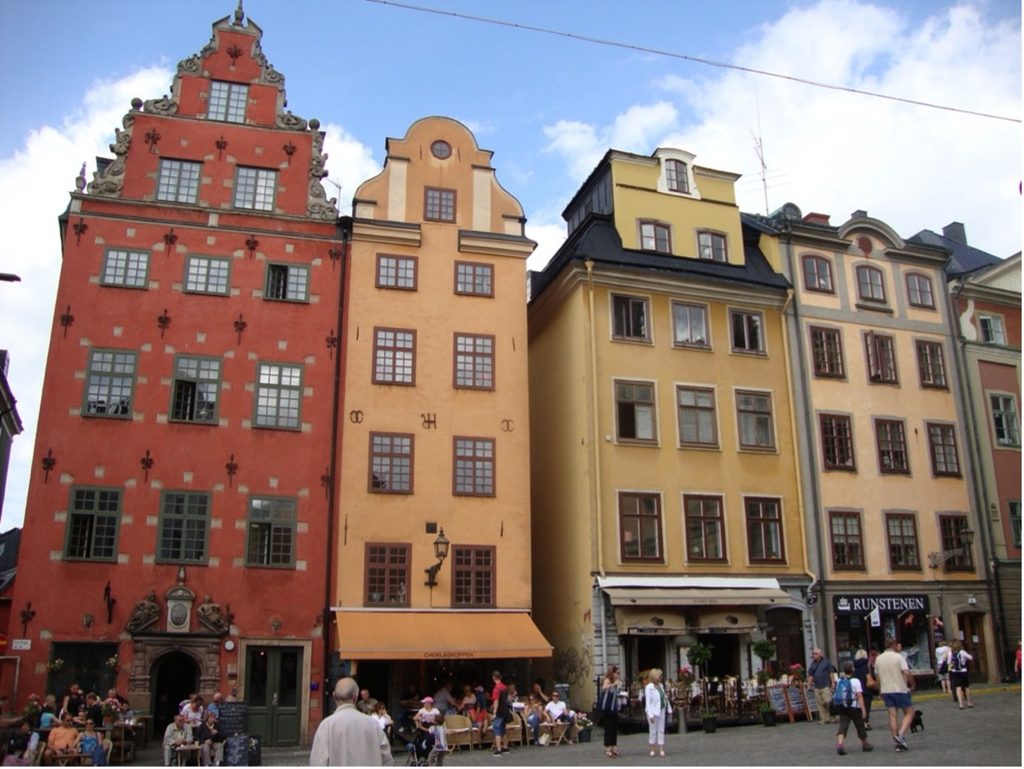
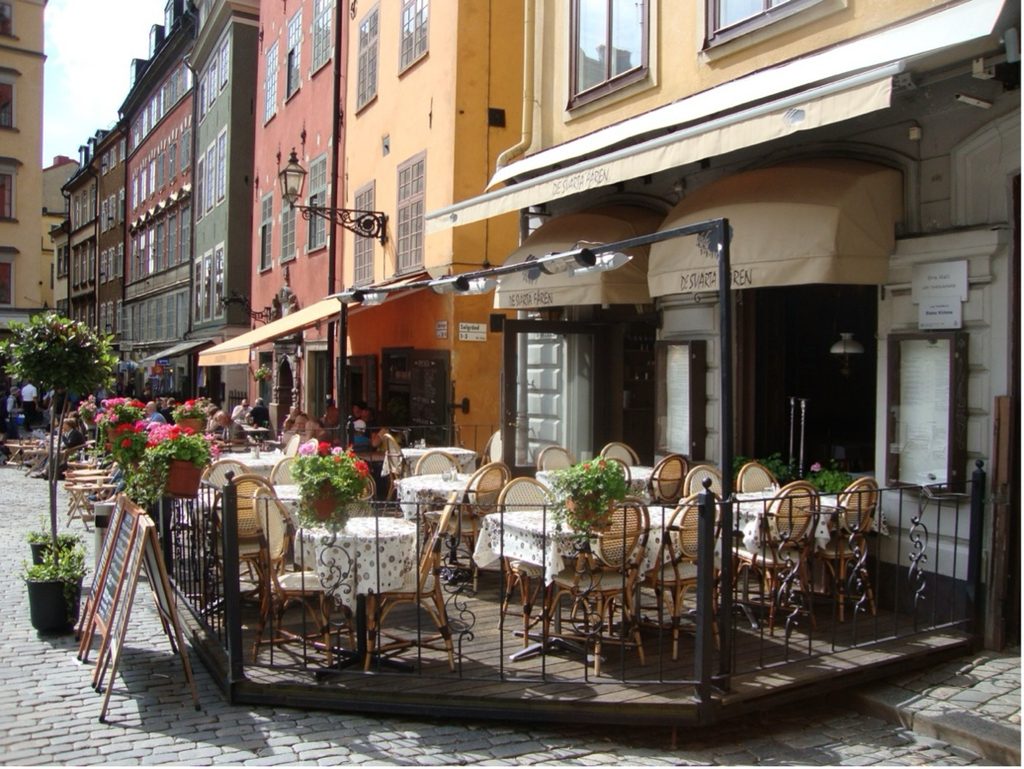
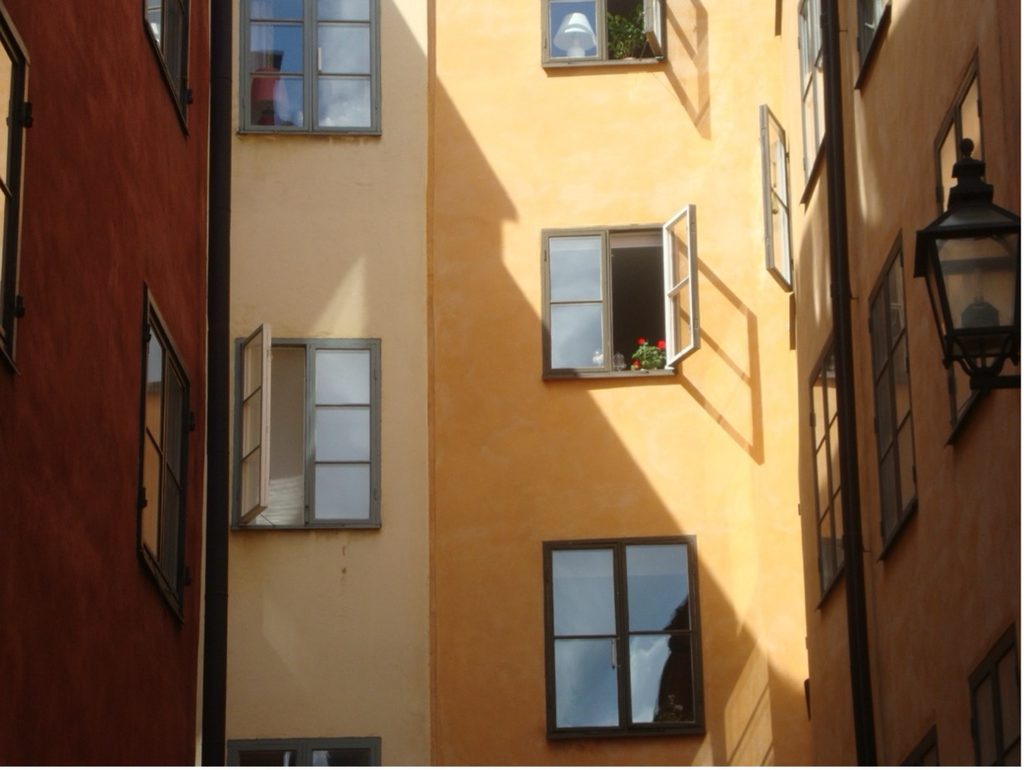
Gamla Stan
Also known as The Old Town, Gamla Stan is an island within the bay next to Stockholm. This charming town features cobblestone streets and beautiful buildings from the 17th and 18th centuries. On the island, you will also find other landmarks and attractions, including Riddarholmen Church, the Stockholm Stock Exchange Building, and the Nobel Prize Museum, which is located in the Stock Exchange.
Stortorget (Grand Square)
This is the oldest square in Stockholm, the historical center and popular with tourists, it is occasionally the scene for demonstrations, performances, and the Christmas Market.
Additionally, Stockholm also has some interesting ‘street furniture’ to explore…
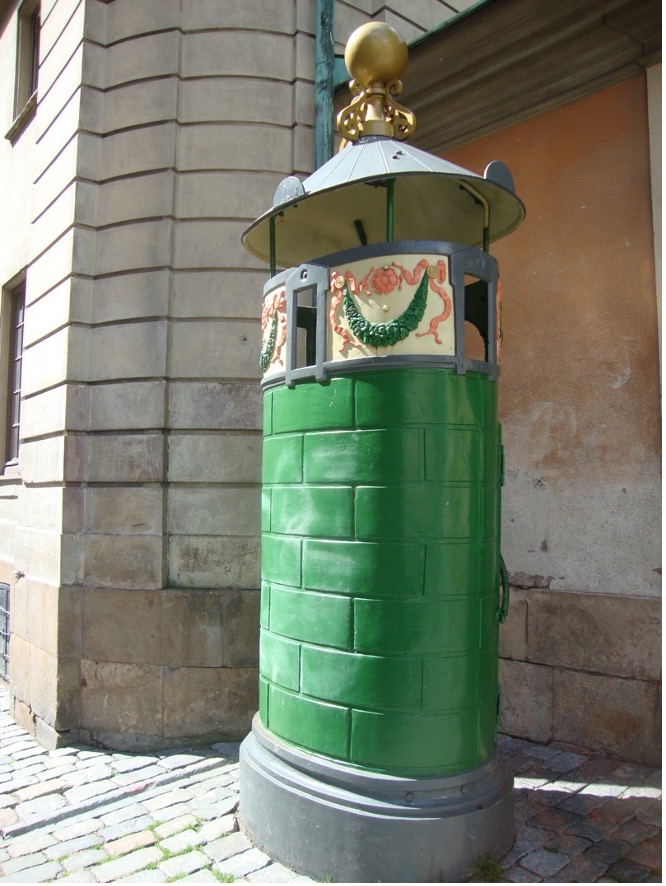
Källargränd urinoar (Källargränd Urinal)
This structure dates back to 1890, and was built outside the old Stockholm Stock Exchange, now home to the Nobel Museum (more of that when we visit Oslo).
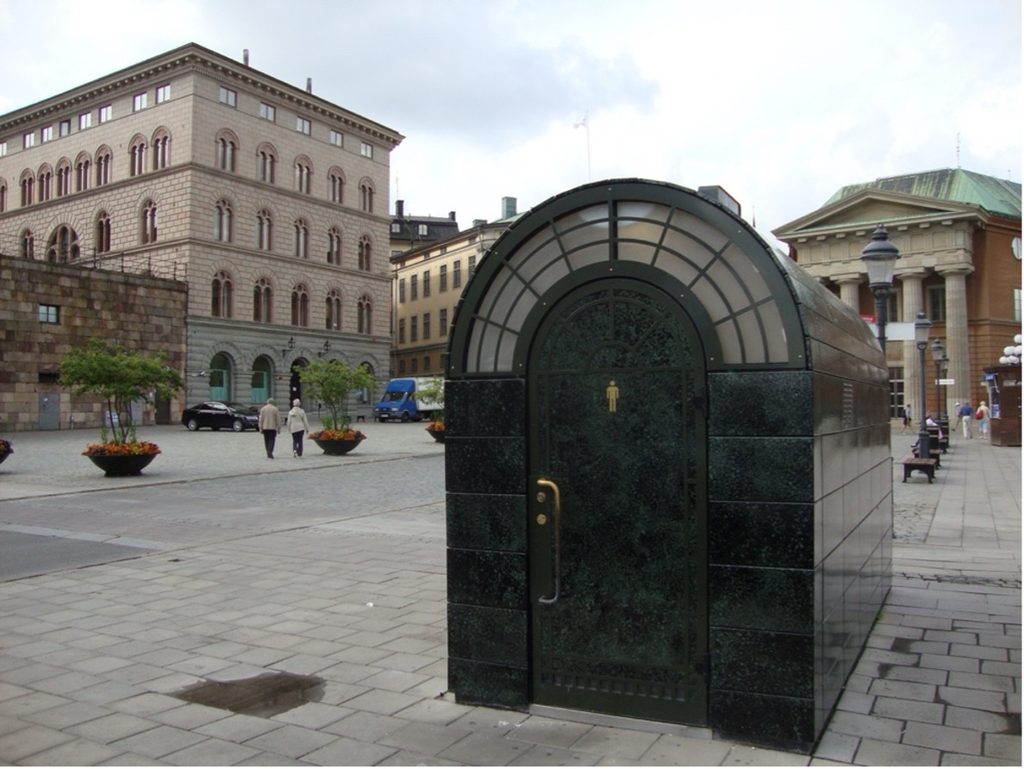
But there are modern toilets available…
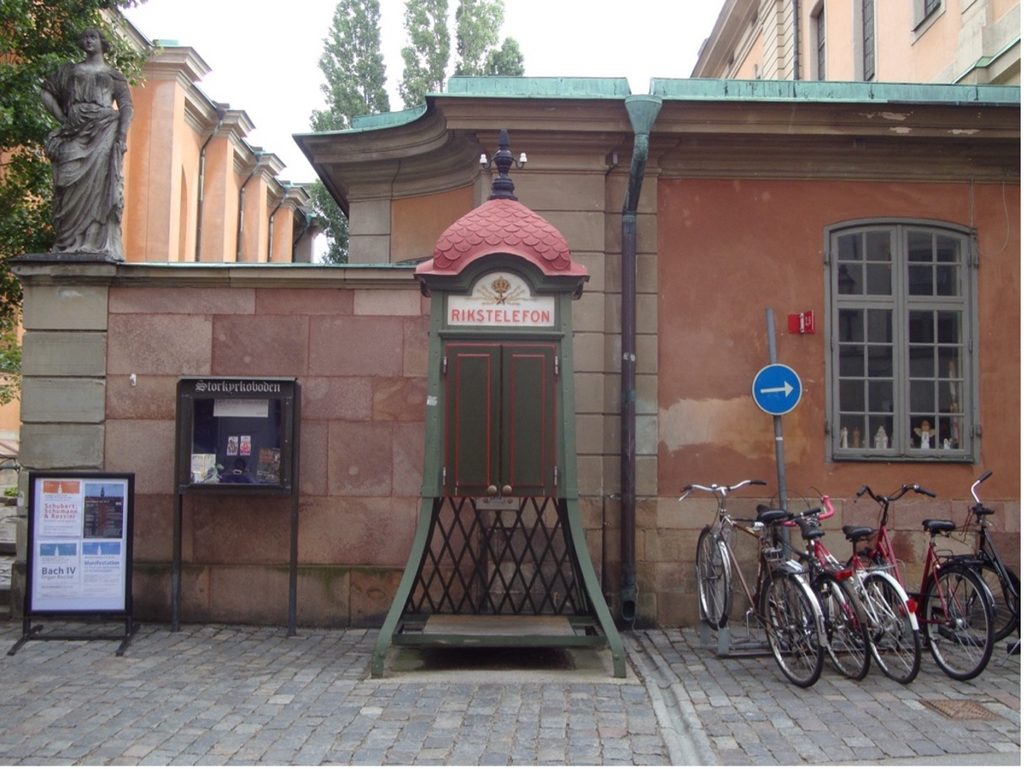
Rikstelefon phone booth
Rikstelefon (can be used for long-distance calls) was a brand of Televerket, a Swedish telecommunications government agency between 1853 and 1993.
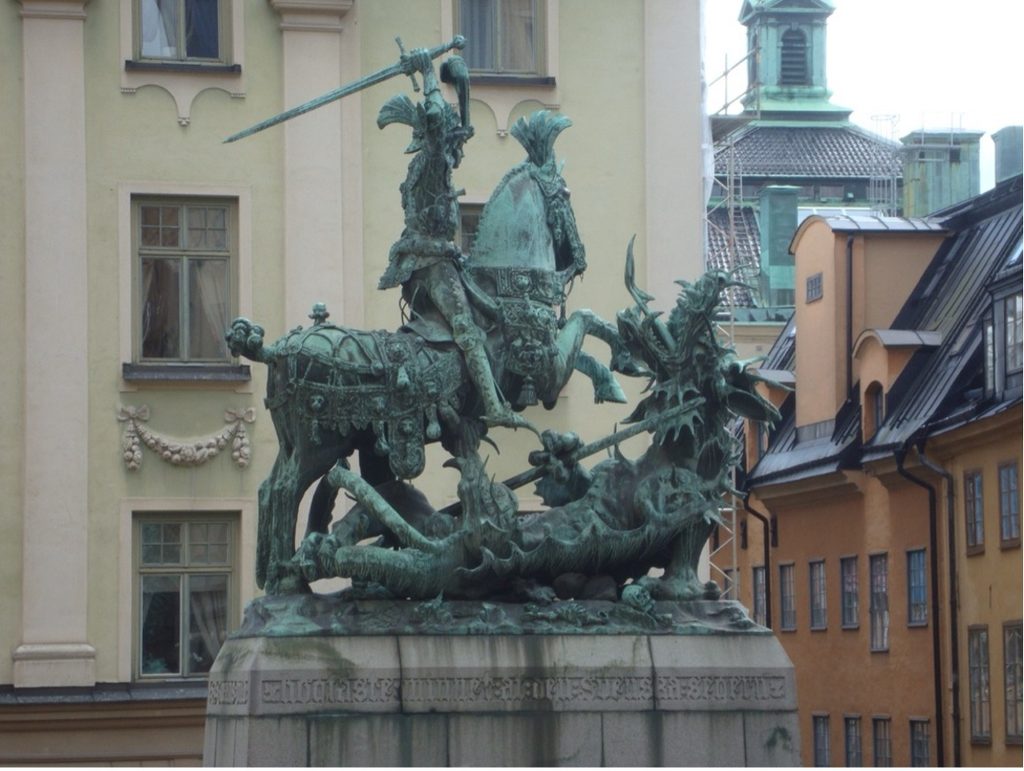
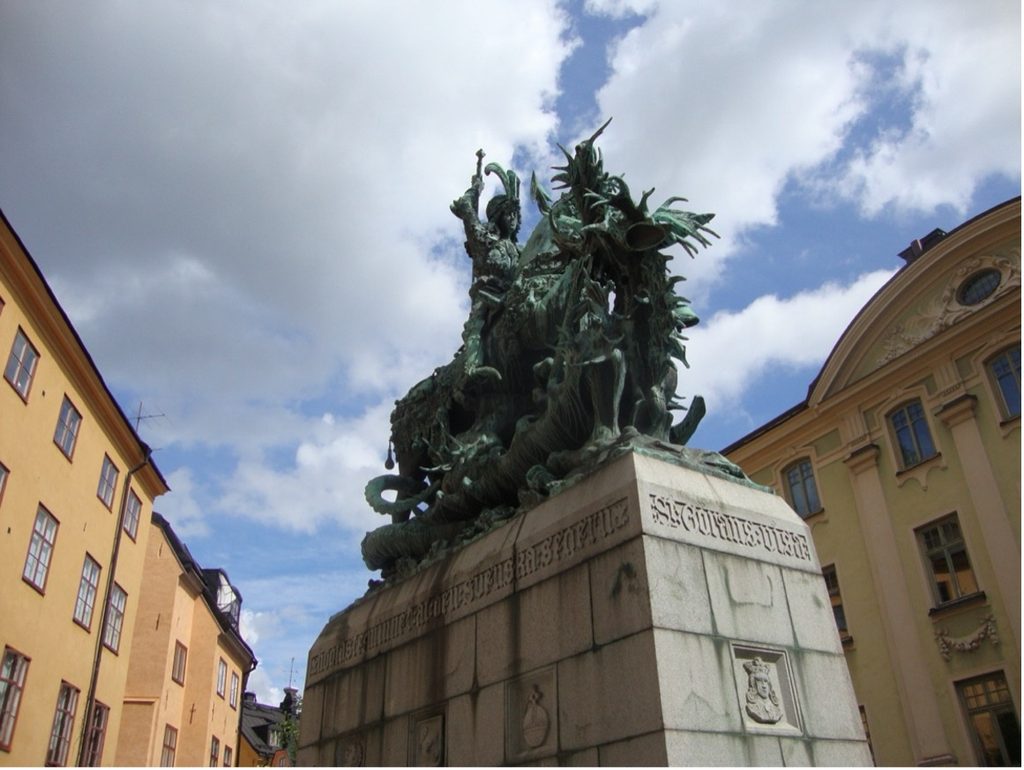
St. George & The Dragon Statue
Located in Köpmantorget (Merchants’ Street) in Gamla Stan and unveiled on 10 October 1912, this statue by Otto Meyer marks the anniversary of the Battle of Brunkeberg. At this particular point in the tussle, St. George has already struck the dragon with his lance and is preparing to finish the job with his sword.
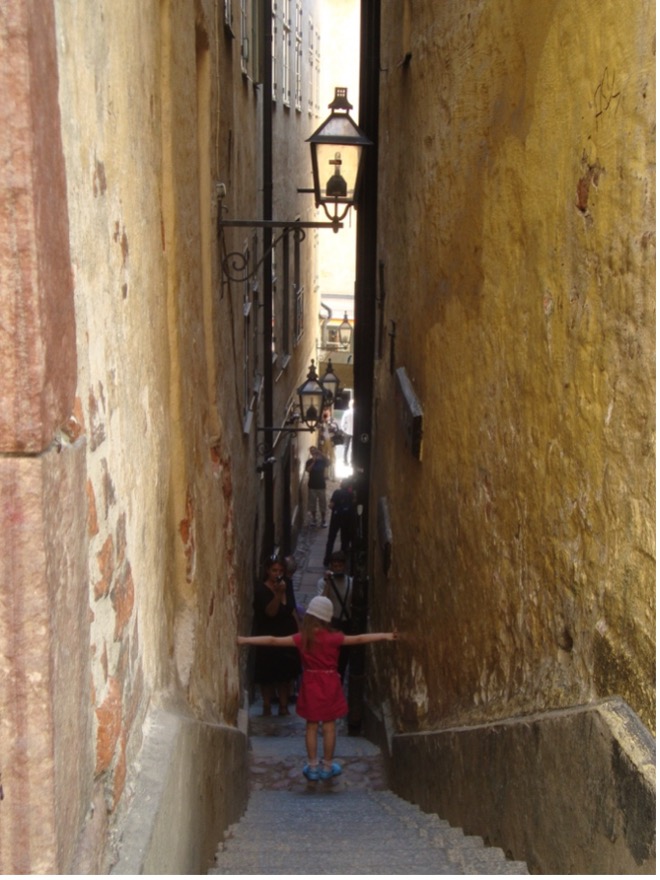
There are plenty of steep, narrow alleyways to explore …
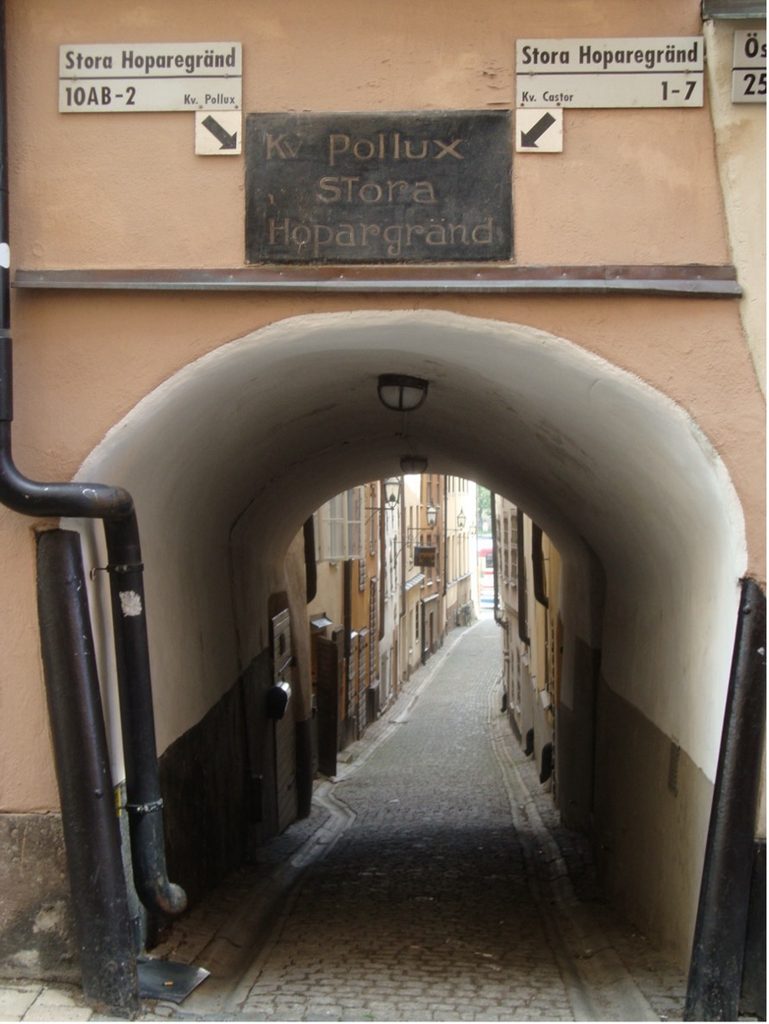
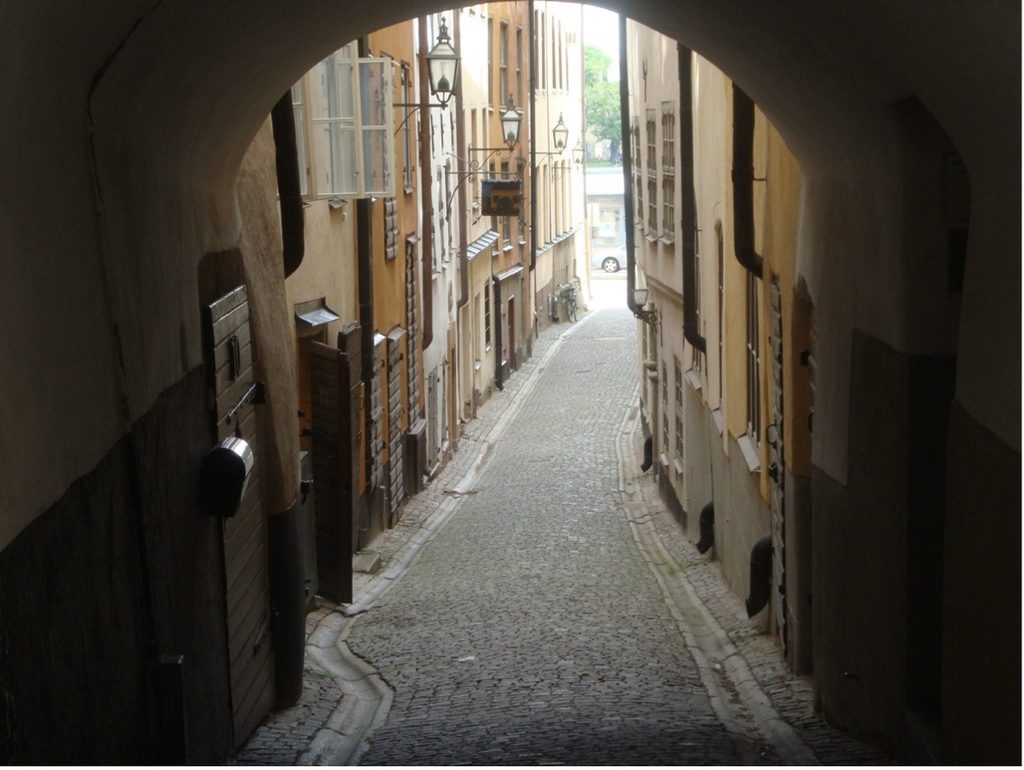
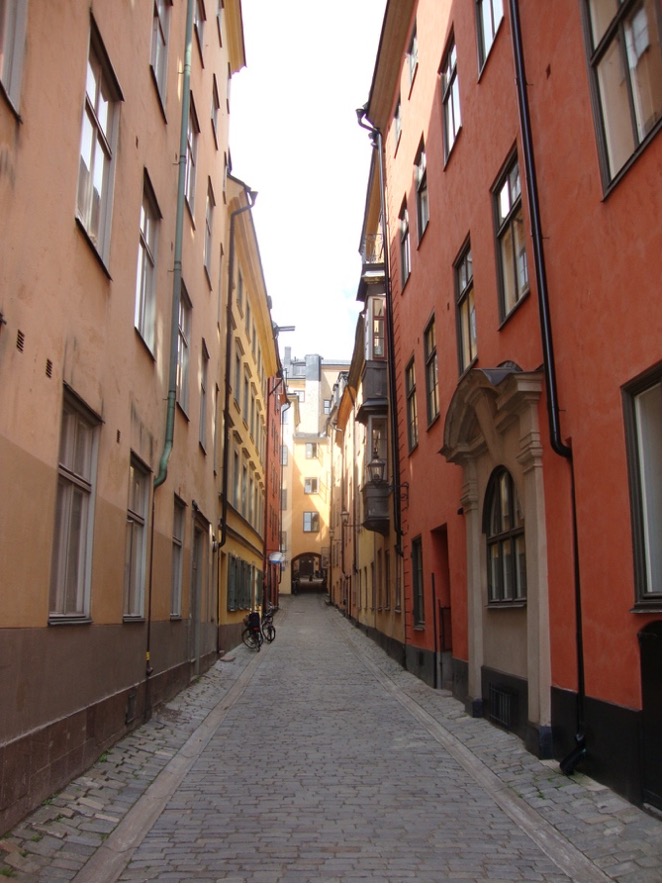
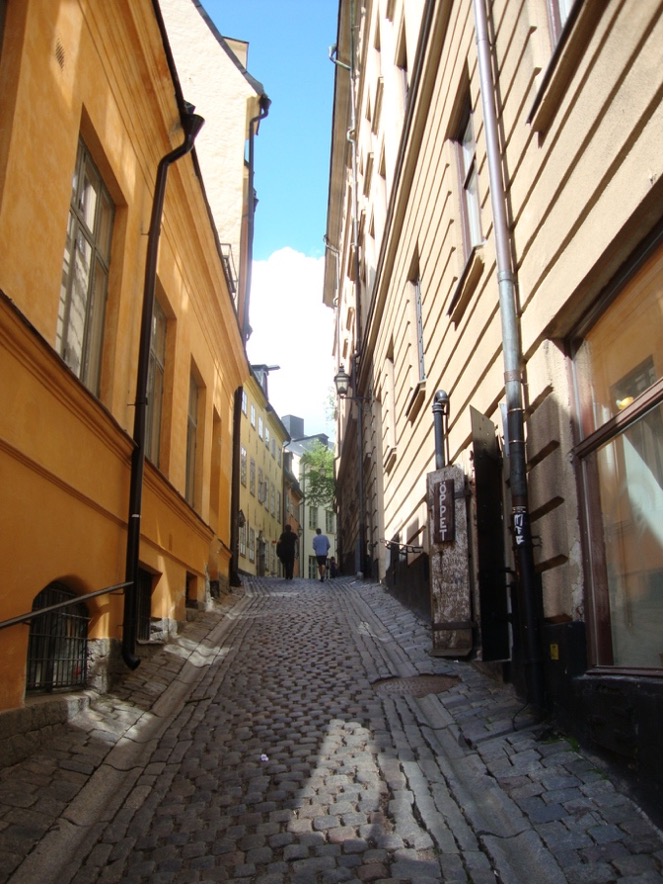
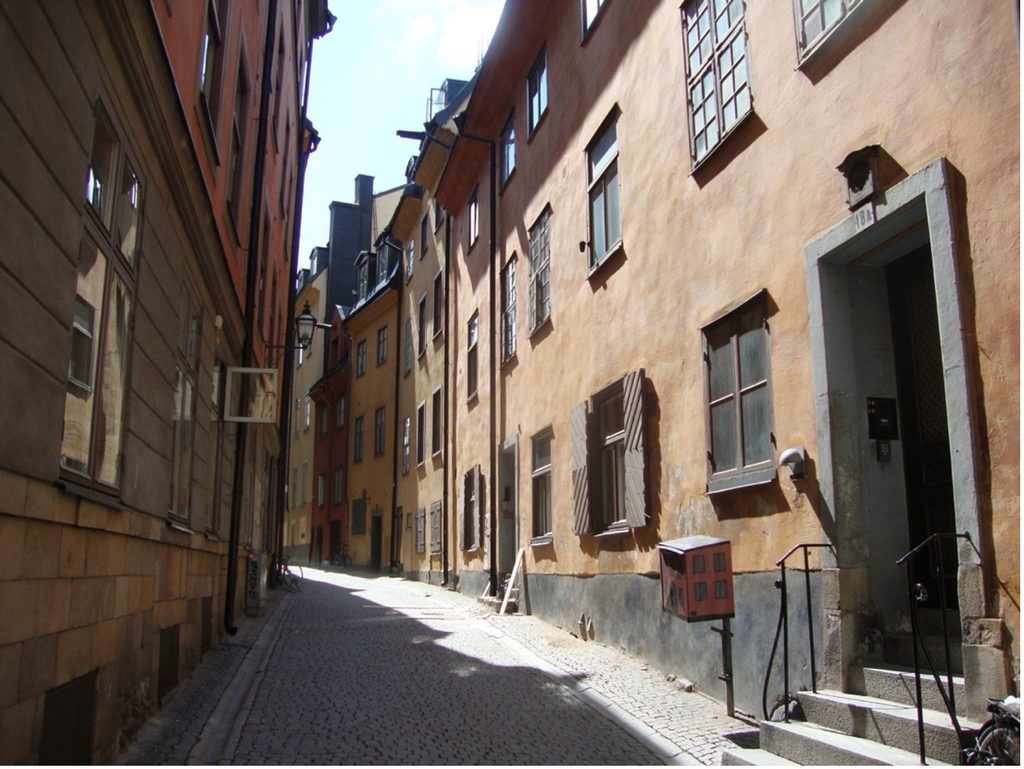
… including …
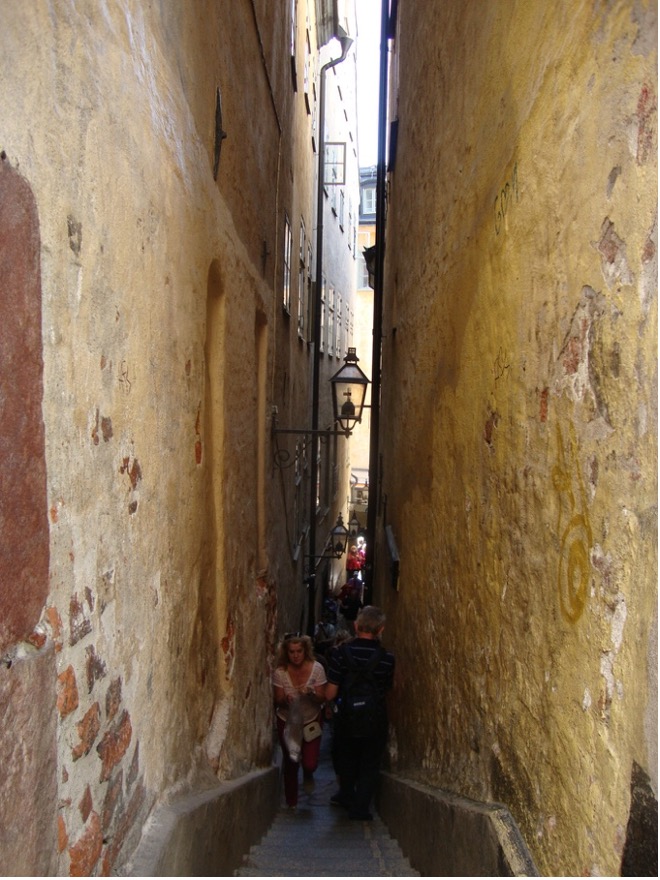
Mårten Trotzigs grand (Alley of Mårten Trotzig)
This is Stockholm’s narrowest street, with a minimum width along its 37 steps of a mere 90 centimeters (35 in).
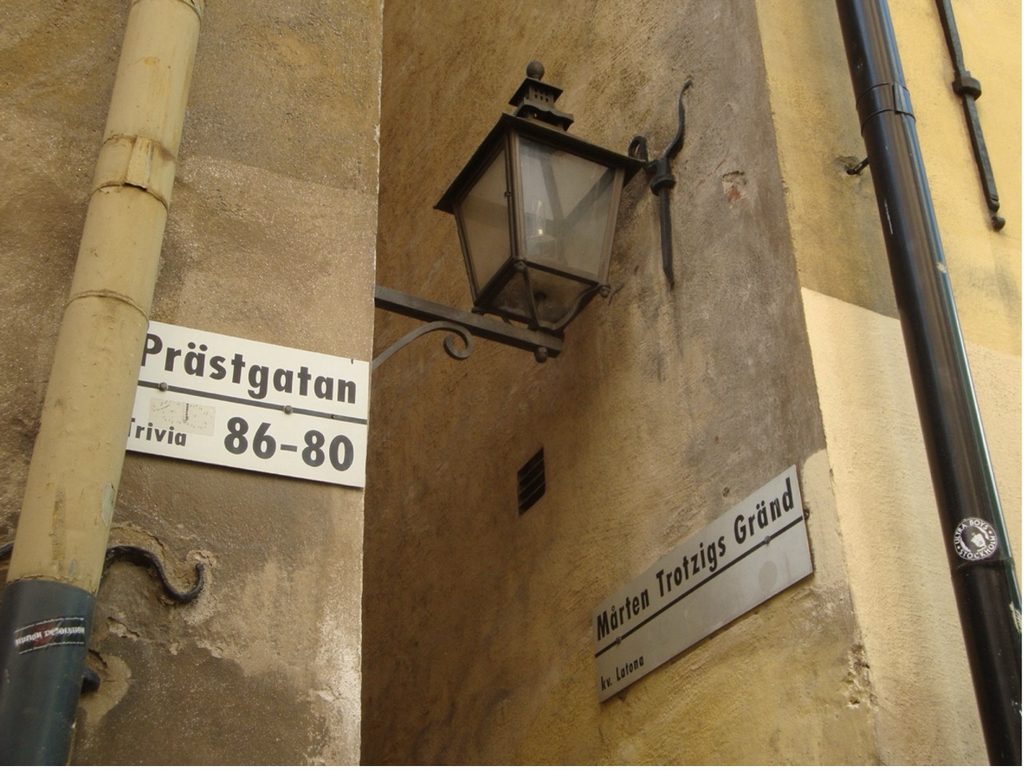
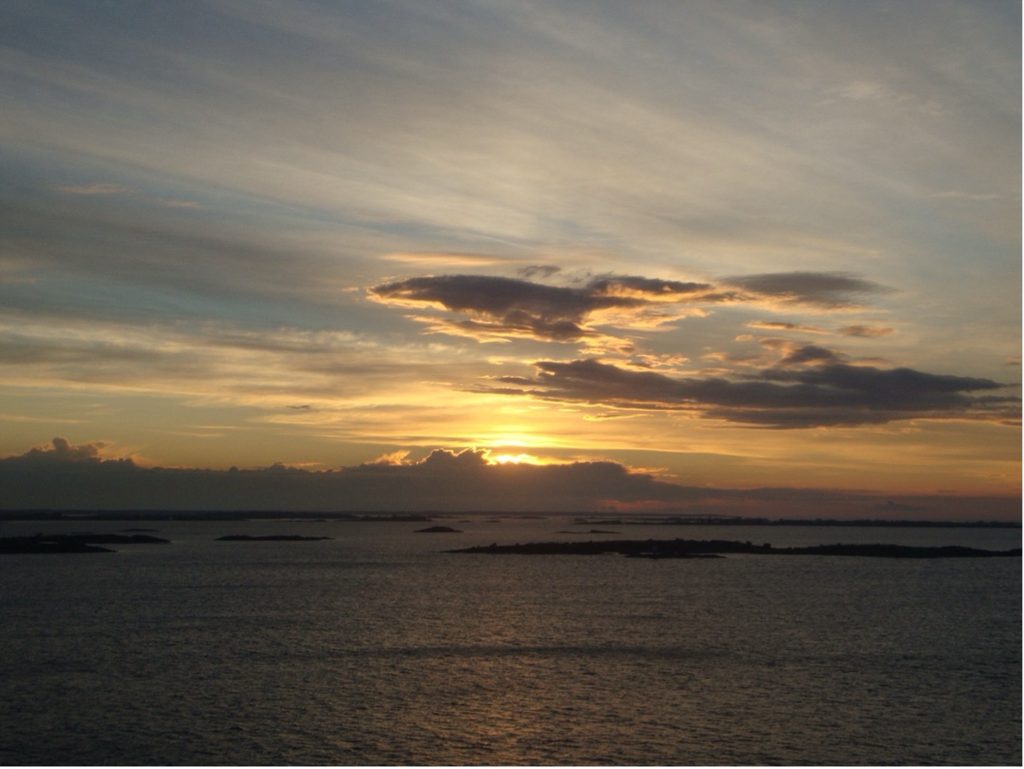
And finally, of course, there are beautiful sunsets.
Next stop, Helsinki.
References
https://www.destguides.com/sweden/landmarks-sweden
https://www.encirclephotos.com/image/stromparterren-park-in-stockholm-sweden
https://talkingstatues.com/statue/gustav-ii-adolfs-statue/
https://www.storyhunt.io/en/articles/stenbock-palace?srsltid=AU7gw4UYaT8Q7q70PHNc7M9ofD_l6gNiD51eA8VscU_gboO7d2bC_pAH
https://www.architecturaldigest.com/gallery/stockholm-architectural-landmarks
https://grandhotel.se/en
https://en.wikipedia.org/wiki/Af_Chapman_(ship)
https://www.atlasobscura.com/places/kallargrand-urinal
https://www.komoot.com/highlight/5858996
Recently nominated for Best Small Fictions 2027, Michael Smith’s fiction has already appeared over sixty times in online literary journals such as Fabula Argentea, The Hooghly Review, Witcraft, Literally Stories, Microromance, Heimat Review, Little Old Lady Comedy, and many others. He has self-published a historical fantasy, Dinner Time, two volumes in the Gruseltal series, and three short story collections, Fonts, Songs, and L < M, all available from online bookstores.
Website: https://frucht-schleifen.weebly.com/