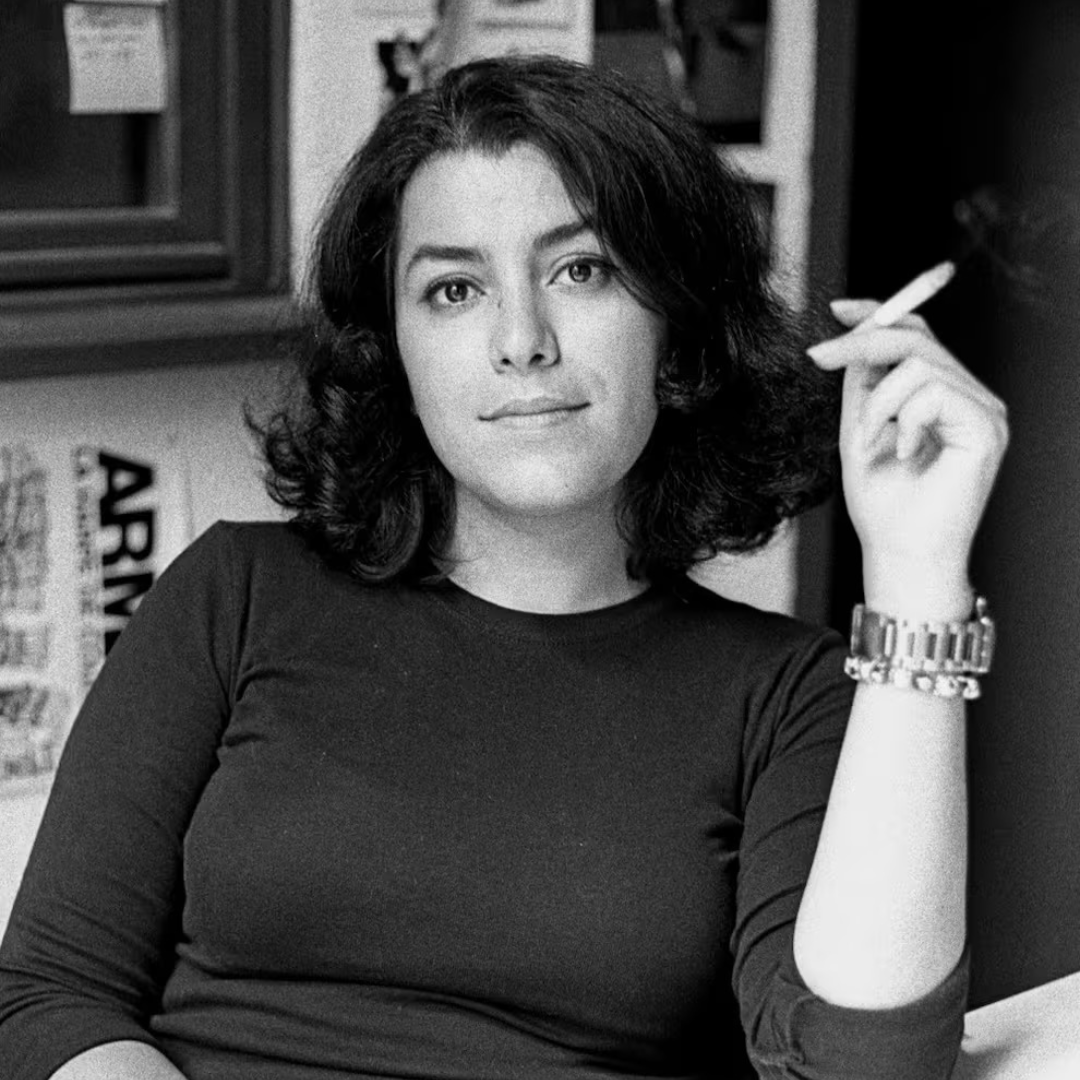
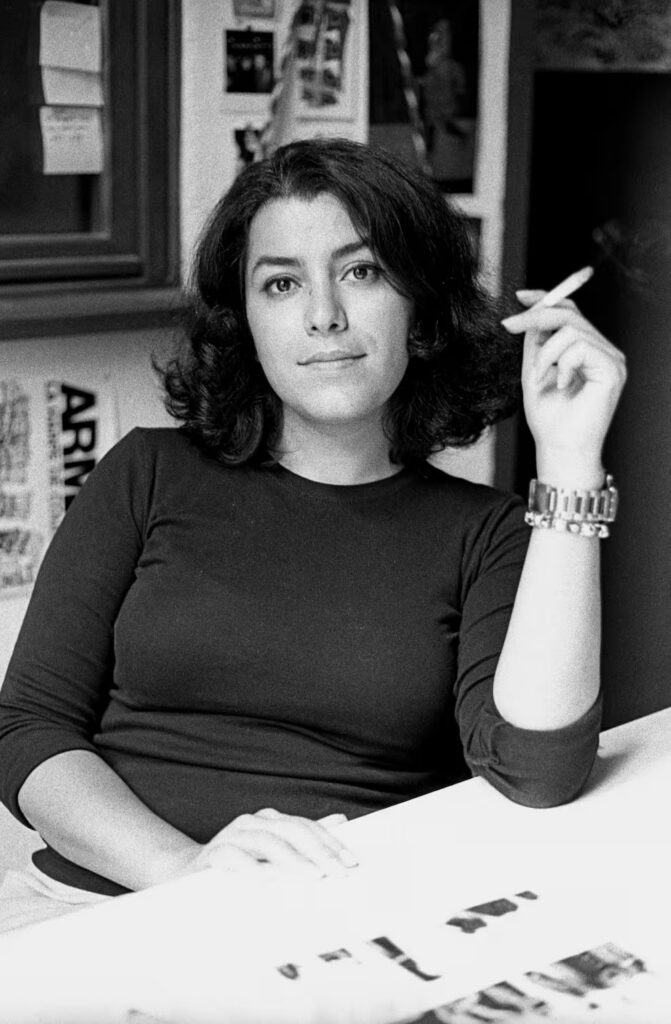
Satrapi was not merely a writer. For many readers of my generation and even today, she has been proof that art could survive catastrophe. Through Persepolis, she transformed revolution, exile, war and displacement into something so intimately human. She taught us that beauty could emerge from conflict without denying the violence that produced it.
And then the explanation offered for her death seemed impossibly simple.
Sadness.
What does it mean for a person in the 21st century to die of sadness?
The question came with a deeply unsettling feeling.
Didn’t women dying of sadness seem to belong to another era?
It sounded medieval, almost mythological. It reminded me of stories about women whose deaths are recorded in vague, mysterious language: they “faded” away, they suffered from the “nerves,” they lost the will to live, they died of heartbreak.
I found myself thinking about a pattern I have noticed throughout my life as a reader.
Again and again, I have been drawn to artists whose work touched me deeply – Virginia Woolf, Sylvia Plath, Alexandra Pizarnik, Francesca Woodman, Amrita Shergill, Gabriela Mistral, Marjane Satrapi, Parveen Shakir, Chitra Singh, Irfan Khan, Nasreen Mohamedi. They have all lived radically different lives. Their work, too, is quite different, yet their biographies are often narrated through a depth that makes it akin to sadness, longing, or suffering.
So now, I ask myself: Why do so many people whose work gives me so much strength, where there is so much beauty and vulnerability, seem to carry such immense sorrows?
When an artist’s work reaches us at the core, we do not simply admire them. We begin to recognise ourselves in them. So when they die, especially in tragic circumstances, the loss feels strangely personal. And yet it confuses the people around us.
How can you mourn someone so much, someone you have never met?
There are forms of intimacies that are not situated in the need for contact. I have only now begun to understand this and reflect on my appetite for this.
What I am grieving is not Satrapi.
I am grieving the illusion that beauty protects people from suffering.
I am grieving their will to remain open to a world so harsh. I am grieving their incessant optimism, their willing kindness and a commitment to vulnerability.
I am not grieving one person. I am grieving conversations, communions, and ecosystems that began before I was born with people, like Satrapi, and somehow parts of them made their way to me.
Why do I feel abandoned by someone who never promised to stay?
It is funny, this absurdity of missing people who owed me nothing, of swelling with love for strangers.
And yet here I am. Carrying it anyway.
What do I do with the gratitude I feel for you?
I owe this to them. I owe her my grief.
This grief will not leave me. It will become part of the way I walk through the world, part of the way I love. As it always has.
And again, I let this one stay because somewhere I know, I know what it costs to remain open, to refuse indifference, to keep feeling.
I feel as though one of the few people who understood the size of the world, its messiness, and immensity, has left it.
Satrapi, your death hurts, not because you died, but because I cannot stop believing in what you gave me.
I pray for this terrible openness, against my own will.
Let me stay this way, even when it hurts. Especially when it hurts.
Let me remain faithful to things that break my heart.
Let me keep the capacity to be intimate with my own loneliness.
Let me remain sincere, excessive, let me remain capable of grief.
Let me be, finally and completely, myself.
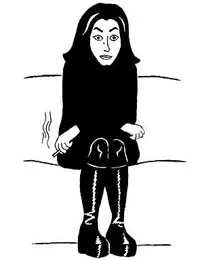

Harshita Bathwal is a Bangalore-based writer, researcher, and somatics practitioner. She holds a PhD in Art History and Visual Studies from Jawaharlal Nehru University and has written extensively on the work of Nasreen Mohamedi. She currently serves as Programme Officer at the India Foundation for the Arts.
Instagram: @harshitabathwal